Hydrogen Sulfide Gas Detector: 2026 Complete Guide Fixed vs Portable

2026-04-03

Hydrogen sulfide (H2S) is a colorless, highly toxic, and flammable gas that poses severe threats to human health and industrial safety across countless workplaces. Also known as sewer gas or swamp gas, H2S is commonly found in oil and gas operations, wastewater treatment facilities, mining sites, chemical plants, agricultural operations, and marine environments. Even low concentrations of H2S can cause irritation to the eyes, nose, and respiratory system, while high levels can lead to immediate loss of consciousness, respiratory failure, and even death.According to OSHA and NIOSH, exposure above 100ppm is considered Immediately Dangerous to Life or Health (IDLH)CDC, and the characteristic rotten-egg odor quickly desensitizes the nosemaking reliable detection critical. For this reason, a reliable hydrogen sulfide gas detector is not just a safety accessory—it is a mandatory piece of equipment to protect workers, comply with industrial safety regulations, and prevent catastrophic workplace incidents.

In this comprehensive 2026 guide, we break down everything you need to know about hydrogen sulfide gas detection equipment, with a focused comparison between the two most widely used types: fixed hydrogen sulfide gas detector units and portable hydrogen sulfide gas detector devices. We will cover how each type works, core features, ideal applications, key safety certifications, maintenance best practices, and how to select the right detector for your unique industrial needs. Whether you manage a large refinery, a small wastewater facility, or a mobile field crew, this guide will help you make an informed decision to keep your team safe and your operations compliant.

What Is a Hydrogen Sulfide (H2S) Gas Detector?

A hydrogen sulfide gas detector is a specialized electronic device designed to detect, measure, and alert users to the presence of hydrogen sulfide gas in the surrounding air. These devices use advanced electrochemical sensors— the most reliable technology for H2S detection—to monitor gas concentrations in real time and trigger audible, visual, and vibration alerts when levels exceed safe regulatory limits.

Unlike generic gas monitors, H2S-specific detectors are calibrated to target only hydrogen sulfide, ensuring accurate readings and eliminating false alarms from other gases. Modern hydrogen sulfide gas detector models are built to withstand harsh industrial conditions, including extreme temperatures, moisture, dust, and explosive atmospheres. They are engineered to deliver fast, precise readings to give workers and safety managers ample time to respond to gas leaks before exposure becomes fatal.

Why H2S Gas Detection Is Non-Negotiable for Industrial Safety?

Hydrogen sulfide is a silent hazard that cannot be detected by human senses alone at dangerous levels. While low concentrations of H2S have a distinct rotten egg smell, exposure above 100 ppm is considered Immediately Dangerous to Life or Health. . Even short-term exposure to 500 ppm or more of H2S can cause immediate collapse and death, making proactive gas detection the only reliable way to prevent tragedies.

Beyond protecting human life, using a certified hydrogen sulfide gas detector is legally required by global safety regulators, including OSHA (Occupational Safety and Health Administration), NIOSH (National Institute for Occupational Safety and Health), and the IEC (International Electrotechnical Commission). Failure to install proper detection equipment can result in severe OSHA penalties exceeding $100,000, work stoppages, costly legal liability, and permanent damage to a company's reputation.

Additionally, reliable H2S detection reduces workplace downtime, lowers insurance costs, and boosts employee morale by demonstrating a commitment to worker safety.

Fixed Hydrogen Sulfide Gas Detector: Uses, Features, and Benefits

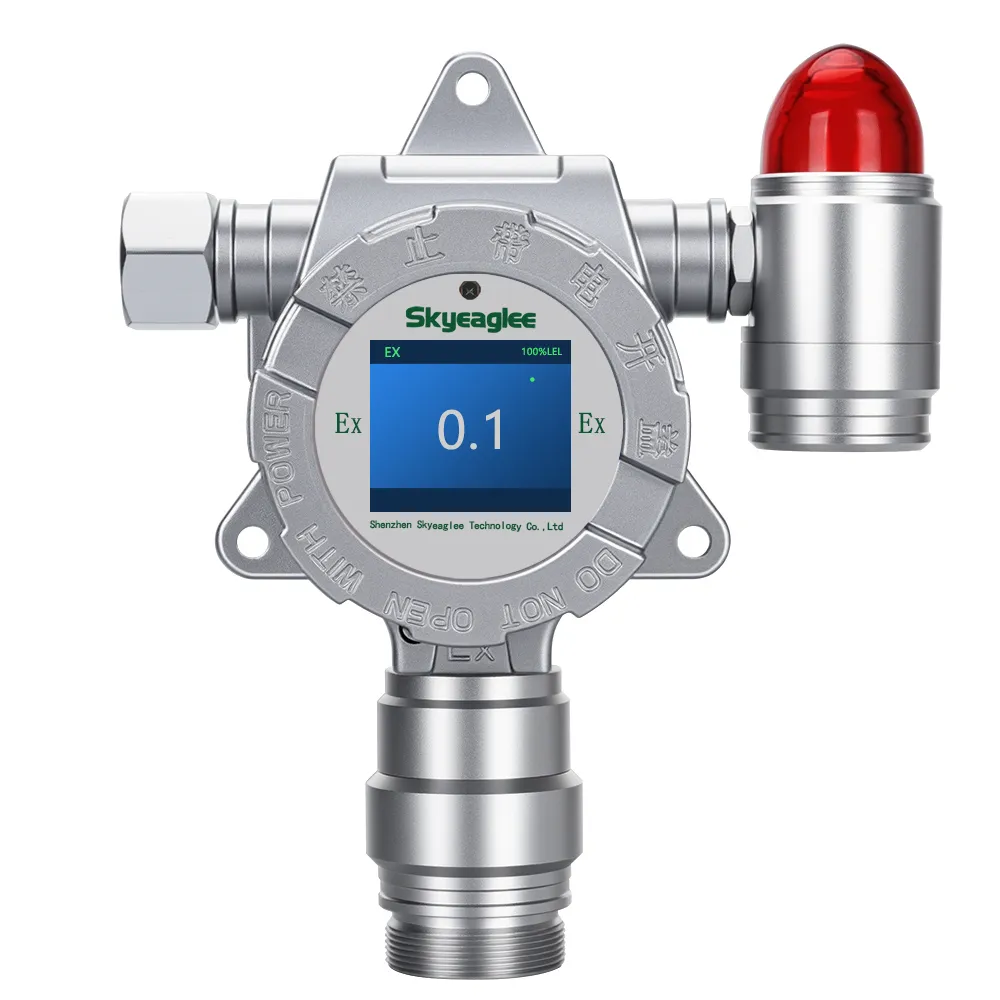
A fixed hydrogen sulfide gas detector is a permanently installed monitoring system designed for continuous, 24/7 gas detection in fixed, high-risk work zones. These units are mounted on walls, ceilings, or near piping systems and storage tanks, providing uninterrupted monitoring of enclosed or semi-enclosed areas where H2S leaks are likely to occur.

How Fixed Hydrogen Sulfide Gas Detectors Work

Fixed H2S detectors are hardwired to a facility’s power supply and connected to a central control panel, safety alarms, ventilation systems, or emergency shutdown mechanisms. They use either diffusion or pump-assisted sensors to draw in ambient air and measure H2S concentrations continuously. When gas levels breach preset safety thresholds, the unit triggers loud sirens, flashing strobe lights, and sends real-time alerts to safety managers via connected software or mobile devices. Many fixed models can integrate with building automation systems for automated safety responses, such as activating exhaust fans or shutting off equipment.
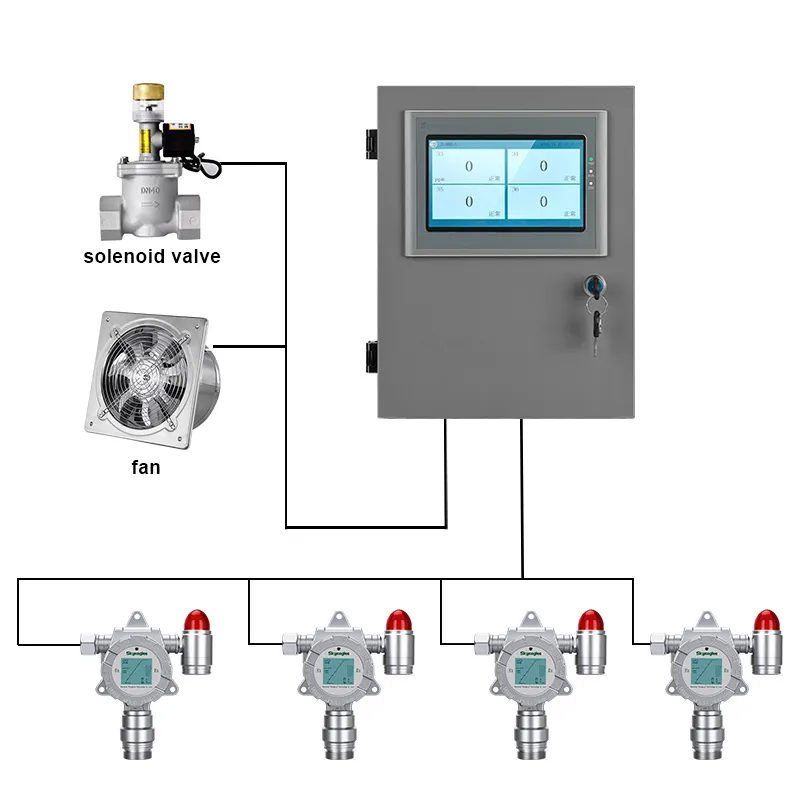
online h2s gas detector with gas control

Core Features of Fixed Hydrogen Sulfide Gas Detectors

Uninterrupted 24/7 monitoring with no reliance on battery power.

Explosion-proof and rugged construction for harsh industrial environments.

Wide monitoring coverage for large, fixed work areas.

Wide monitoring range, covering a fixed working area of 55 cubic meters.

Compatibility with, 4-20mA, RS485, and Modbus communication protocols.

Long-lasting electrochemical sensors with extended lifespans.

Multi-gas detection options for added workplace safety.

Click to explore product specifications
Fixed Hydrogen Sulfide Gas Detector with 24/7 power-independent monitoring and explosion-proof casing

Key Benefits and Ideal Applications

The primary advantage of a fixed hydrogen sulfide gas detector is continuous, unattended protection for high-risk areas that require constant monitoring. These units require minimal daily intervention and provide round-the-clock safety coverage, even when facilities are operating overnight or on weekends.

Fixed H2S detectors are ideal for permanent work zones such as oil refineries, wastewater treatment plants, chemical processing facilities, storage tank farms, mining tunnels, sewer systems, and industrial laboratories. They are the top choice for facilities that need centralized safety monitoring and compliance with strict industrial safety standards.

Portable Hydrogen Sulfide Gas Detector: Uses, Features, and Benefits

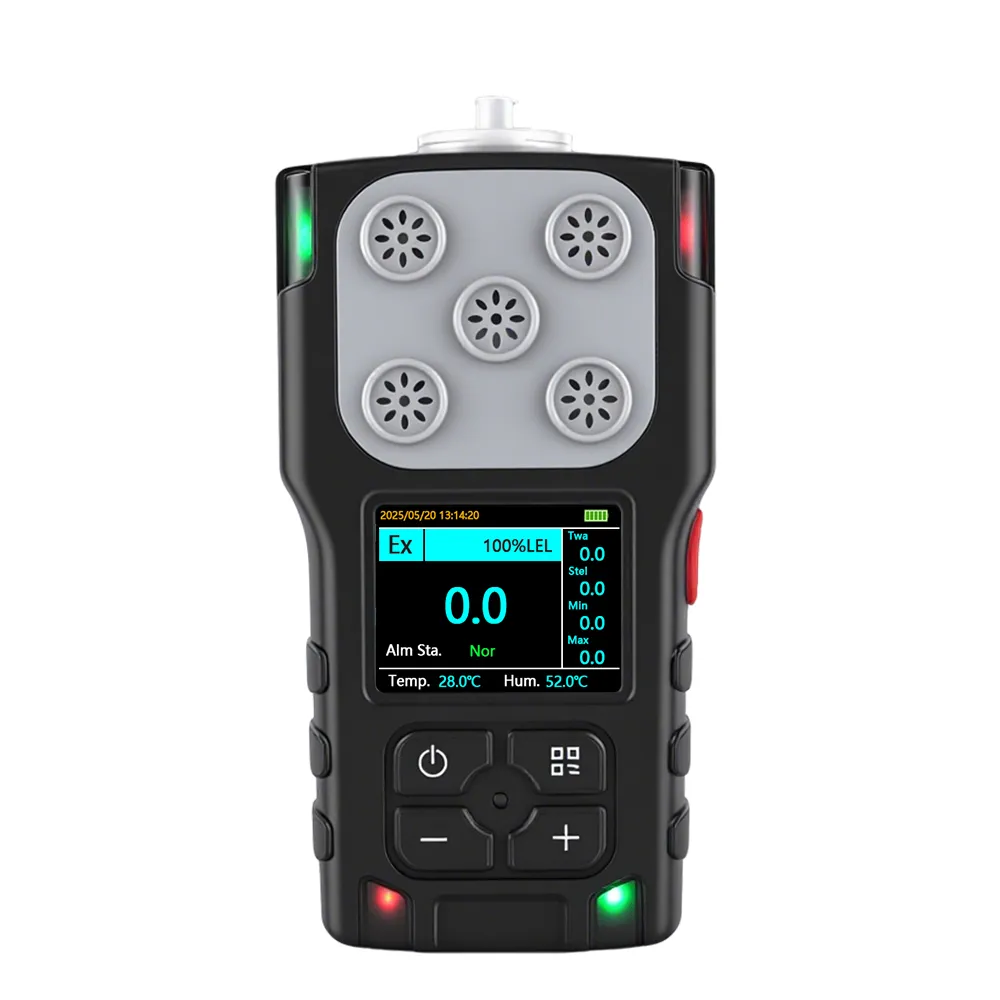
A portable hydrogen sulfide gas detector is a compact, handheld or wearable device designed for personal, on-the-go gas detection. These lightweight units are powered by rechargeable batteries, allowing workers to carry them throughout job sites for real-time personal protection against H2S exposure.

How Portable Hydrogen Sulfide Gas Detectors Work

Portable H2S detectors use compact electrochemical sensors to monitor the air in a worker’s immediate breathing zone. They are activated with a single button, perform automatic self-tests and sensor checks, and provide continuous real-time readings on a digital display. When H2S levels exceed safe limits, the device delivers triple alerts: loud audible alarms, bright visual strobes, and strong vibration alerts to ensure the worker notices the warning even in noisy or low-visibility environments. Most portable models include data logging to track exposure levels for safety reports and compliance audits.

Core Features of Portable Hydrogen Sulfide Gas Detectors

Lightweight, ergonomic design for easy all-day wear.

Rechargeable, long-life batteries with quick charging capabilities.

IP66/IP68 waterproof and dustproof ratings for rugged field use.

Fast sensor response time (T90 < 15 seconds) for immediate alerts.

Triple audible, visual, and vibration alarms for maximum awareness.

One-button operation for simple use in high-stress situations.

Built-in data logging and downloadable safety records.

Compact size to fit in pockets or clip onto work belts or harnesses.

Click to explore product specs
Portable Hydrogen Sulfide Gas Detector, fast 15-second response & triple alarms

Key Benefits and Ideal Applications

The biggest benefit of a portable hydrogen sulfide gas detector is mobility—these devices move with the worker, providing personal safety protection no matter where the job takes them. They are perfect for temporary work zones, confined space entries, maintenance tasks, and field operations where fixed detection equipment is not feasible.

Portable H2S detectors are widely used by field technicians, maintenance crews, miners, wastewater workers, emergency responders, and personnel entering confined spaces such as manholes, tanks, vaults, and pipelines. They are also essential for mobile work crews that move between multiple job sites throughout the day.
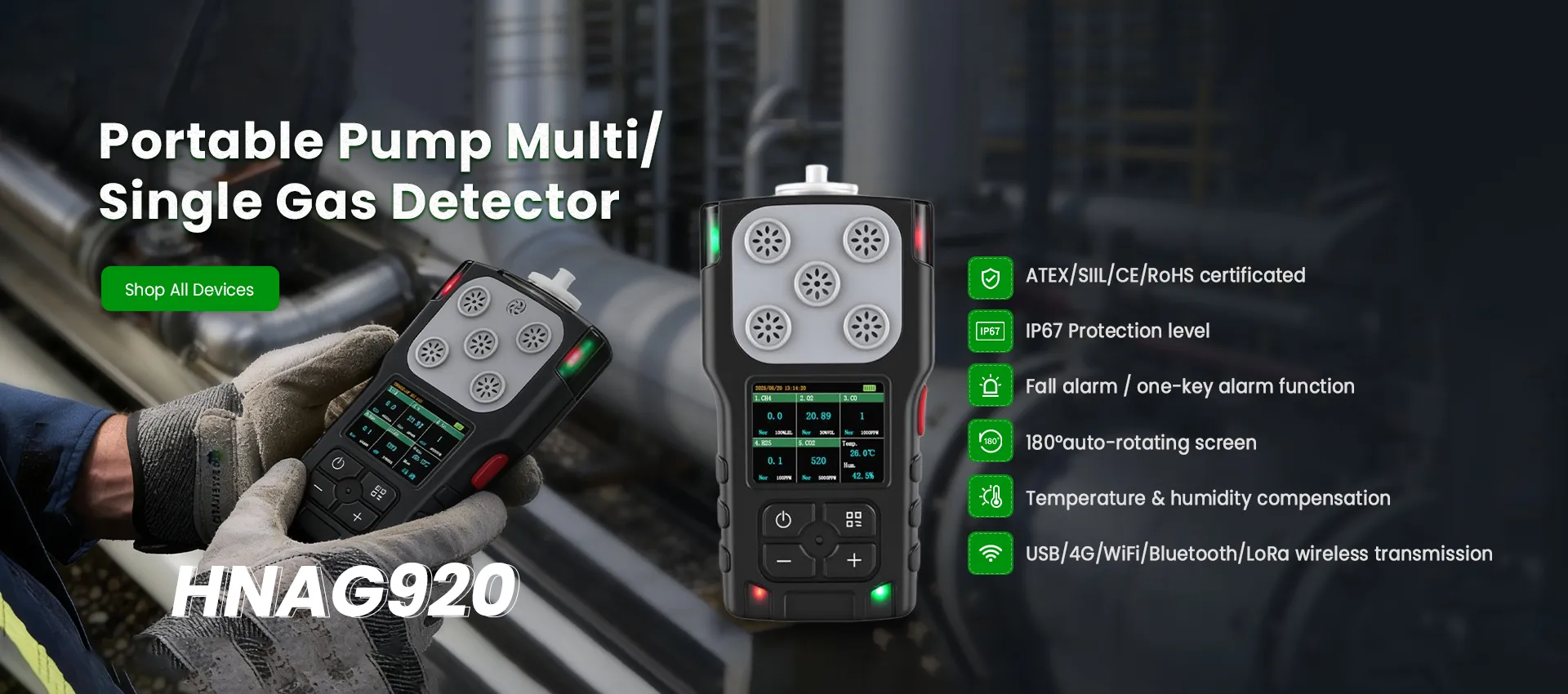
Portable pump h2s gas detector

Fixed vs Portable Hydrogen Sulfide Gas Detector: Full Comparison Table

Feature

Fixed Hydrogen Sulfide Gas Detector

Portable Hydrogen Sulfide Gas Detector

Primary Purpose

Continuous area monitoring, 24/7 unattended protection

Personal safety monitoring, mobile on-the-go protection

Power Source

Hardwired AC/DC power, no battery reliance

Rechargeable lithium-ion batteries

Monitoring Style

Continuous, non-stop detection

On-demand detection when carried by workers

Coverage Area

Large, fixed zones and entire facilities

Immediate worker breathing zone (1-2 meters)

Alert System

Loud sirens, strobe lights, remote control room alerts

Audible, visual, and vibration personal alerts

Data Management

Centralized system logging and remote monitoring

On-board data logging with downloadable reports

Maintenance

Calibration every 6-12 months

Calibration every 6-12 months

Best For

Permanent high-risk facilities, 24/7 operations

Mobile workers, confined spaces, field maintenance

Critical Features to Choose the Best Hydrogen Sulfide Gas Detector

Selecting the right hydrogen sulfide gas detector requires evaluating key features to ensure the device meets your safety needs, industry standards, and operational demands. Below are the most important factors to consider for both fixed and portable models:

Sensor Quality and Response Time

The sensor is the heart of any hydrogen sulfide gas detector. Look for high-quality electrochemical sensors with fast response times (T90 < 15-30 seconds) to ensure immediate alerts when H2S is detected. Sensors should have a long lifespan (typically 2-3 years) and resist drift or false readings from other gases.

Safety Certifications

Always choose a detector with global safety certifications to ensure compliance and reliability. Legitimate units carry ATEX, CE, UL, CSA, and IECEX approvals for use in explosive and hazardous environments.

Durability and Environmental Rating

Industrial-grade detectors need a high IP rating (IP65 or higher) to withstand dust, water, and extreme temperatures. Fixed units should be explosion-proof, while portable models should be drop-resistant and rugged for field use.

Battery Life (HNAG920)

For a portable hydrogen sulfide gas detector, battery life is crucial. Built-in 2400mAh battery.Look for devices with at least 8-12 hours of continuous use on a single charge to cover full work shifts without power loss.

Connectivity and Data Logging

Modern detectors offer data logging, remote monitoring, and software integration to track gas readings, generate compliance reports, and send real-time alerts to safety managers. This feature is vital for record-keeping and regulatory audits.

Top Industry Applications for H2S Detectors

A reliable hydrogen sulfide gas detector is essential across a wide range of industries where H2S gas is a known hazard. The most common sectors include:

Oil and Gas Exploration & Refining: Drilling sites, refineries, and pipeline operations

Wastewater Treatment: Sewage plants, lift stations, and water management facilities

Mining & Tunneling: Underground mines, tunnel construction, and mineral extraction

Chemical & Petrochemical Plants: Manufacturing and processing facilities

Agriculture & Biogas: Manure storage, biogas production, and farm operations

Marine & Shipping: Shipboard compartments, port facilities, and offshore rigs

Confined Space Entry: Manholes, storage tanks, vaults, and enclosed work areas

Industrial Laboratories: Research and testing facilities handling H2S

Fixed Hydrogen Sulfide Gas Detector Maintenance

Fixed units should be installed by certified technicians, positioned at breathing level near potential leak points, and calibrated every 3-6 months to ensure accuracy. Regular inspections should check wiring, sensor functionality, and alarm systems to keep the unit operating reliably.

Portable Hydrogen Sulfide Gas Detector Maintenance

Portable models require a quick bump test before each use to verify sensor and alarm functionality. Full calibration should be performed monthly, or after any exposure to high gas concentrations. Batteries should be charged fully before each shift, and devices should be stored in a clean, dry environment when not in use.

Frequently Asked Questions About Hydrogen Sulfide Gas Detectors

Q1:What is a hydrogen sulfide gas detector used for?

A1:A hydrogen sulfide gas detector is used to monitor, detect, and alert workers to dangerous levels of hydrogen sulfide gas, preventing toxic exposure and workplace accidents.

Q2:Which is better: fixed or portable hydrogen sulfide gas detector?

A2:A fixed hydrogen sulfide gas detector is best for 24/7 continuous monitoring of permanent high-risk areas, while a portable hydrogen sulfide gas detector is ideal for personal protection for mobile workers and confined space entry. Most facilities use both for complete safety coverage.

Q3:How often should I calibrate my H2S gas detector?

A3:Need calibration every 6-12 months.

Q4:What certifications should a reliable H2S detector have?

A4:Industrial-grade H2S detectors should have ATEX, CE, UL, CSA, or IECEX certifications to meet global safety standards.

Q5:How long do H2S detector sensors last?

A5:High-quality electrochemical sensors for H2S detectors typically last 2-3 years with proper maintenance and regular calibration.

Q6:Can a portable H2S detector be used as a fixed unit?

A6:Portable detectors are not designed for permanent fixed installation, as they rely on battery power and are built for mobility. A dedicated fixed hydrogen sulfide gas detector is required for continuous unattended monitoring.

Q7:Where should I install a fixed hydrogen sulfide gas detector?

A7:Fixed units should be installed near potential H2S leak sources, at worker breathing height, and in enclosed areas where gas can accumulate, such as tanks, tunnels, and processing rooms.

Final Buying Recommendations

When investing in safety equipment, choosing the right hydrogen sulfide gas detector is a decision that directly impacts worker lives and regulatory compliance. For permanent facilities with high-risk, fixed work zones, a high-quality fixed hydrogen sulfide gas detector is indispensable for round-the-clock protection and centralized monitoring. For mobile workers, maintenance crews, and confined space entries, a rugged, long-lasting portable hydrogen sulfide gas detector provides critical personal safety wherever the job takes place.

For comprehensive workplace safety, the optimal solution is to combine both fixed and portable detectors to cover all potential H2S exposure scenarios. Always prioritize certified, industrial-grade devices from reputable manufacturers, and follow strict maintenance schedules to ensure your detectors perform reliably when it matters most. By choosing the right equipment and maintaining it properly, you can protect your team, stay compliant with safety regulations, and avoid costly workplace incidents related to hydrogen sulfide exposure.

By choosing the right equipment and maintaining it properly, you can protect your team, stay compliant with safety regulations, and avoid costly workplace incidents related to hydrogen sulfide exposure.

Ready to secure your facility with reliable H₂S gas detection solutions? Our team at Skyeaglee, a leading manufacturer with 14 years of industrial safety expertise, is here to help you select the perfect fixed or portable detectors, provide technical support, and deliver customized solutions for your unique workplace needs.

📩 Contact us today for a free consultation, detailed product specifications, or a competitive bulk quote. Let’s ensure your team stays safe, compliant, and protected 24/7.

Get in touch with our sales team → 📩

Hydrogen sulfide (H2S) is a colorless, highly toxic, and flammable gas that poses severe threats to human health and industrial safety across countless workplaces. Also known as sewer gas or swamp gas, H2S is commonly found in oil and gas operations, wastewater treatment facilities, mining sites, chemical plants, agricultural operations, and marine environments. Even low concentrations of H2S can cause irritation to the eyes, nose, and respiratory system, while high levels can lead to immediate loss of consciousness, respiratory failure, and even death.According to OSHA and NIOSH, exposure above 100ppm is considered Immediately Dangerous to Life or Health (IDLH)CDC, and the characteristic rotten-egg odor quickly desensitizes the nosemaking reliable detection critical. For this reason, a reliable hydrogen sulfide gas detector is not just a safety accessory—it is a mandatory piece of equipment to protect workers, comply with industrial safety regulations, and prevent catastrophic workplace incidents.

In this comprehensive 2026 guide, we break down everything you need to know about hydrogen sulfide gas detection equipment, with a focused comparison between the two most widely used types: fixed hydrogen sulfide gas detector units and portable hydrogen sulfide gas detector devices. We will cover how each type works, core features, ideal applications, key safety certifications, maintenance best practices, and how to select the right detector for your unique industrial needs. Whether you manage a large refinery, a small wastewater facility, or a mobile field crew, this guide will help you make an informed decision to keep your team safe and your operations compliant.

What Is a Hydrogen Sulfide (H2S) Gas Detector?

A hydrogen sulfide gas detector is a specialized electronic device designed to detect, measure, and alert users to the presence of hydrogen sulfide gas in the surrounding air. These devices use advanced electrochemical sensors— the most reliable technology for H2S detection—to monitor gas concentrations in real time and trigger audible, visual, and vibration alerts when levels exceed safe regulatory limits.

Unlike generic gas monitors, H2S-specific detectors are calibrated to target only hydrogen sulfide, ensuring accurate readings and eliminating false alarms from other gases. Modern hydrogen sulfide gas detector models are built to withstand harsh industrial conditions, including extreme temperatures, moisture, dust, and explosive atmospheres. They are engineered to deliver fast, precise readings to give workers and safety managers ample time to respond to gas leaks before exposure becomes fatal.

Why H2S Gas Detection Is Non-Negotiable for Industrial Safety?

Hydrogen sulfide is a silent hazard that cannot be detected by human senses alone at dangerous levels. While low concentrations of H2S have a distinct rotten egg smell, exposure above 100 ppm is considered Immediately Dangerous to Life or Health. . Even short-term exposure to 500 ppm or more of H2S can cause immediate collapse and death, making proactive gas detection the only reliable way to prevent tragedies.

Beyond protecting human life, using a certified hydrogen sulfide gas detector is legally required by global safety regulators, including OSHA (Occupational Safety and Health Administration), NIOSH (National Institute for Occupational Safety and Health), and the IEC (International Electrotechnical Commission). Failure to install proper detection equipment can result in severe OSHA penalties exceeding $100,000, work stoppages, costly legal liability, and permanent damage to a company's reputation.

Additionally, reliable H2S detection reduces workplace downtime, lowers insurance costs, and boosts employee morale by demonstrating a commitment to worker safety.

Fixed Hydrogen Sulfide Gas Detector: Uses, Features, and Benefits

A fixed hydrogen sulfide gas detector is a permanently installed monitoring system designed for continuous, 24/7 gas detection in fixed, high-risk work zones. These units are mounted on walls, ceilings, or near piping systems and storage tanks, providing uninterrupted monitoring of enclosed or semi-enclosed areas where H2S leaks are likely to occur.

How Fixed Hydrogen Sulfide Gas Detectors Work

Fixed H2S detectors are hardwired to a facility’s power supply and connected to a central control panel, safety alarms, ventilation systems, or emergency shutdown mechanisms. They use either diffusion or pump-assisted sensors to draw in ambient air and measure H2S concentrations continuously. When gas levels breach preset safety thresholds, the unit triggers loud sirens, flashing strobe lights, and sends real-time alerts to safety managers via connected software or mobile devices. Many fixed models can integrate with building automation systems for automated safety responses, such as activating exhaust fans or shutting off equipment.

online h2s gas detector with gas control

Core Features of Fixed Hydrogen Sulfide Gas Detectors

Uninterrupted 24/7 monitoring with no reliance on battery power.

Explosion-proof and rugged construction for harsh industrial environments.

Wide monitoring coverage for large, fixed work areas.

Wide monitoring range, covering a fixed working area of 55 cubic meters.

Compatibility with, 4-20mA, RS485, and Modbus communication protocols.

Long-lasting electrochemical sensors with extended lifespans.

Multi-gas detection options for added workplace safety.

Fixed Hydrogen Sulfide Gas Detector with 24/7 power-independent monitoring and explosion-proof casing

Key Benefits and Ideal Applications

The primary advantage of a fixed hydrogen sulfide gas detector is continuous, unattended protection for high-risk areas that require constant monitoring. These units require minimal daily intervention and provide round-the-clock safety coverage, even when facilities are operating overnight or on weekends.

Fixed H2S detectors are ideal for permanent work zones such as oil refineries, wastewater treatment plants, chemical processing facilities, storage tank farms, mining tunnels, sewer systems, and industrial laboratories. They are the top choice for facilities that need centralized safety monitoring and compliance with strict industrial safety standards.

Portable Hydrogen Sulfide Gas Detector: Uses, Features, and Benefits

A portable hydrogen sulfide gas detector is a compact, handheld or wearable device designed for personal, on-the-go gas detection. These lightweight units are powered by rechargeable batteries, allowing workers to carry them throughout job sites for real-time personal protection against H2S exposure.

How Portable Hydrogen Sulfide Gas Detectors Work

Portable H2S detectors use compact electrochemical sensors to monitor the air in a worker’s immediate breathing zone. They are activated with a single button, perform automatic self-tests and sensor checks, and provide continuous real-time readings on a digital display. When H2S levels exceed safe limits, the device delivers triple alerts: loud audible alarms, bright visual strobes, and strong vibration alerts to ensure the worker notices the warning even in noisy or low-visibility environments. Most portable models include data logging to track exposure levels for safety reports and compliance audits.

Core Features of Portable Hydrogen Sulfide Gas Detectors

Lightweight, ergonomic design for easy all-day wear.

Rechargeable, long-life batteries with quick charging capabilities.

IP66/IP68 waterproof and dustproof ratings for rugged field use.

Fast sensor response time (T90 < 15 seconds) for immediate alerts.

Triple audible, visual, and vibration alarms for maximum awareness.

One-button operation for simple use in high-stress situations.

Built-in data logging and downloadable safety records.

Compact size to fit in pockets or clip onto work belts or harnesses.

Portable Hydrogen Sulfide Gas Detector, fast 15-second response & triple alarms

Key Benefits and Ideal Applications

The biggest benefit of a portable hydrogen sulfide gas detector is mobility—these devices move with the worker, providing personal safety protection no matter where the job takes them. They are perfect for temporary work zones, confined space entries, maintenance tasks, and field operations where fixed detection equipment is not feasible.

Portable H2S detectors are widely used by field technicians, maintenance crews, miners, wastewater workers, emergency responders, and personnel entering confined spaces such as manholes, tanks, vaults, and pipelines. They are also essential for mobile work crews that move between multiple job sites throughout the day.

Portable pump h2s gas detector

Fixed vs Portable Hydrogen Sulfide Gas Detector: Full Comparison Table

Feature

Fixed Hydrogen Sulfide Gas Detector

Portable Hydrogen Sulfide Gas Detector

Primary Purpose

Continuous area monitoring, 24/7 unattended protection

Personal safety monitoring, mobile on-the-go protection

Power Source

Hardwired AC/DC power, no battery reliance

Rechargeable lithium-ion batteries

Monitoring Style

Continuous, non-stop detection

On-demand detection when carried by workers

Coverage Area

Large, fixed zones and entire facilities

Immediate worker breathing zone (1-2 meters)

Alert System

Loud sirens, strobe lights, remote control room alerts

Audible, visual, and vibration personal alerts

Data Management

Centralized system logging and remote monitoring

On-board data logging with downloadable reports

Maintenance

Calibration every 6-12 months

Calibration every 6-12 months

Best For

Permanent high-risk facilities, 24/7 operations

Mobile workers, confined spaces, field maintenance

Critical Features to Choose the Best Hydrogen Sulfide Gas Detector

Selecting the right hydrogen sulfide gas detector requires evaluating key features to ensure the device meets your safety needs, industry standards, and operational demands. Below are the most important factors to consider for both fixed and portable models:

Sensor Quality and Response Time

The sensor is the heart of any hydrogen sulfide gas detector. Look for high-quality electrochemical sensors with fast response times (T90 < 15-30 seconds) to ensure immediate alerts when H2S is detected. Sensors should have a long lifespan (typically 2-3 years) and resist drift or false readings from other gases.

Safety Certifications

Always choose a detector with global safety certifications to ensure compliance and reliability. Legitimate units carry ATEX, CE, UL, CSA, and IECEX approvals for use in explosive and hazardous environments.

Durability and Environmental Rating

Industrial-grade detectors need a high IP rating (IP65 or higher) to withstand dust, water, and extreme temperatures. Fixed units should be explosion-proof, while portable models should be drop-resistant and rugged for field use.

Battery Life (HNAG920)

For a portable hydrogen sulfide gas detector, battery life is crucial. Built-in 2400mAh battery.Look for devices with at least 8-12 hours of continuous use on a single charge to cover full work shifts without power loss.

Connectivity and Data Logging

Modern detectors offer data logging, remote monitoring, and software integration to track gas readings, generate compliance reports, and send real-time alerts to safety managers. This feature is vital for record-keeping and regulatory audits.

Top Industry Applications for H2S Detectors

A reliable hydrogen sulfide gas detector is essential across a wide range of industries where H2S gas is a known hazard. The most common sectors include:

Oil and Gas Exploration & Refining: Drilling sites, refineries, and pipeline operations

Wastewater Treatment: Sewage plants, lift stations, and water management facilities

Mining & Tunneling: Underground mines, tunnel construction, and mineral extraction

Chemical & Petrochemical Plants: Manufacturing and processing facilities

Agriculture & Biogas: Manure storage, biogas production, and farm operations

Marine & Shipping: Shipboard compartments, port facilities, and offshore rigs

Confined Space Entry: Manholes, storage tanks, vaults, and enclosed work areas

Industrial Laboratories: Research and testing facilities handling H2S

Fixed Hydrogen Sulfide Gas Detector Maintenance

Fixed units should be installed by certified technicians, positioned at breathing level near potential leak points, and calibrated every 3-6 months to ensure accuracy. Regular inspections should check wiring, sensor functionality, and alarm systems to keep the unit operating reliably.

Portable Hydrogen Sulfide Gas Detector Maintenance

Portable models require a quick bump test before each use to verify sensor and alarm functionality. Full calibration should be performed monthly, or after any exposure to high gas concentrations. Batteries should be charged fully before each shift, and devices should be stored in a clean, dry environment when not in use.

Frequently Asked Questions About Hydrogen Sulfide Gas Detectors

Q1:What is a hydrogen sulfide gas detector used for?

A1:A hydrogen sulfide gas detector is used to monitor, detect, and alert workers to dangerous levels of hydrogen sulfide gas, preventing toxic exposure and workplace accidents.

Q2:Which is better: fixed or portable hydrogen sulfide gas detector?

A2:A fixed hydrogen sulfide gas detector is best for 24/7 continuous monitoring of permanent high-risk areas, while a portable hydrogen sulfide gas detector is ideal for personal protection for mobile workers and confined space entry. Most facilities use both for complete safety coverage.

Q3:How often should I calibrate my H2S gas detector?

A3:Need calibration every 6-12 months.

Q4:What certifications should a reliable H2S detector have?

A4:Industrial-grade H2S detectors should have ATEX, CE, UL, CSA, or IECEX certifications to meet global safety standards.

Q5:How long do H2S detector sensors last?

A5:High-quality electrochemical sensors for H2S detectors typically last 2-3 years with proper maintenance and regular calibration.

Q6:Can a portable H2S detector be used as a fixed unit?

A6:Portable detectors are not designed for permanent fixed installation, as they rely on battery power and are built for mobility. A dedicated fixed hydrogen sulfide gas detector is required for continuous unattended monitoring.

Q7:Where should I install a fixed hydrogen sulfide gas detector?

A7:Fixed units should be installed near potential H2S leak sources, at worker breathing height, and in enclosed areas where gas can accumulate, such as tanks, tunnels, and processing rooms.

Final Buying Recommendations

When investing in safety equipment, choosing the right hydrogen sulfide gas detector is a decision that directly impacts worker lives and regulatory compliance. For permanent facilities with high-risk, fixed work zones, a high-quality fixed hydrogen sulfide gas detector is indispensable for round-the-clock protection and centralized monitoring. For mobile workers, maintenance crews, and confined space entries, a rugged, long-lasting portable hydrogen sulfide gas detector provides critical personal safety wherever the job takes place.

For comprehensive workplace safety, the optimal solution is to combine both fixed and portable detectors to cover all potential H2S exposure scenarios. Always prioritize certified, industrial-grade devices from reputable manufacturers, and follow strict maintenance schedules to ensure your detectors perform reliably when it matters most. By choosing the right equipment and maintaining it properly, you can protect your team, stay compliant with safety regulations, and avoid costly workplace incidents related to hydrogen sulfide exposure.

By choosing the right equipment and maintaining it properly, you can protect your team, stay compliant with safety regulations, and avoid costly workplace incidents related to hydrogen sulfide exposure.

Ready to secure your facility with reliable H₂S gas detection solutions? Our team at Skyeaglee, a leading manufacturer with 14 years of industrial safety expertise, is here to help you select the perfect fixed or portable detectors, provide technical support, and deliver customized solutions for your unique workplace needs.

📩 Contact us today for a free consultation, detailed product specifications, or a competitive bulk quote. Let’s ensure your team stays safe, compliant, and protected 24/7.

Get in touch with our sales team → 📩

Previous: No more data
Related News