

Fixed Oxygen Detector for Confined Space: Complete 2026 Safety & Buying Guide
2026-04-21
When it comes to confined space operations—whether in oil and gas tanks, underground mines, wastewater treatment manholes, or chemical plant vessels—safety is non-negotiable. One of the most critical risks workers and facility managers face is the threat of oxygen deficiency or enrichment, both of which can lead to fatal accidents in seconds. An oxygen detector for confined space is not just a piece of equipment; it’s a lifesaver that provides 24/7 continuous monitoring to ensure safe entry and operations. In this comprehensive guide, we’ll break down everything you need to know about fixed oxygen detectors for confined spaces, from how they work and why they’re essential to how to choose the right one for your industrial needs. Whether you’re a safety manager, facility operator, or procurement specialist, this guide is designed to help you make informed decisions, stay compliant with global safety standards, and protect your team from preventable hazards. Let’s dive in.
Confined spaces are defined as enclosed or partially enclosed areas that are not designed for continuous human occupancy, have limited or restricted entry and exit points, and can present serious hazards due to poor ventilation, toxic gases, or oxygen imbalances. Examples include storage tanks, silos, sewers, tunnels, underground mines, reaction vessels, and boiler rooms. In these environments, oxygen levels can fluctuate rapidly—often without warning—making an oxygen detector for confined space a critical component of any safety program. This guide covers every aspect of fixed oxygen monitoring systems, from basic definitions to advanced buying strategies, to help you navigate the complex world of confined space safety and choose the best equipment for your needs,aligned with NIOSH confined space oxygen safety guide and global best practices.
1. What Is an Oxygen Detector for Confined Space?
Definition of Fixed Oxygen Gas Detection
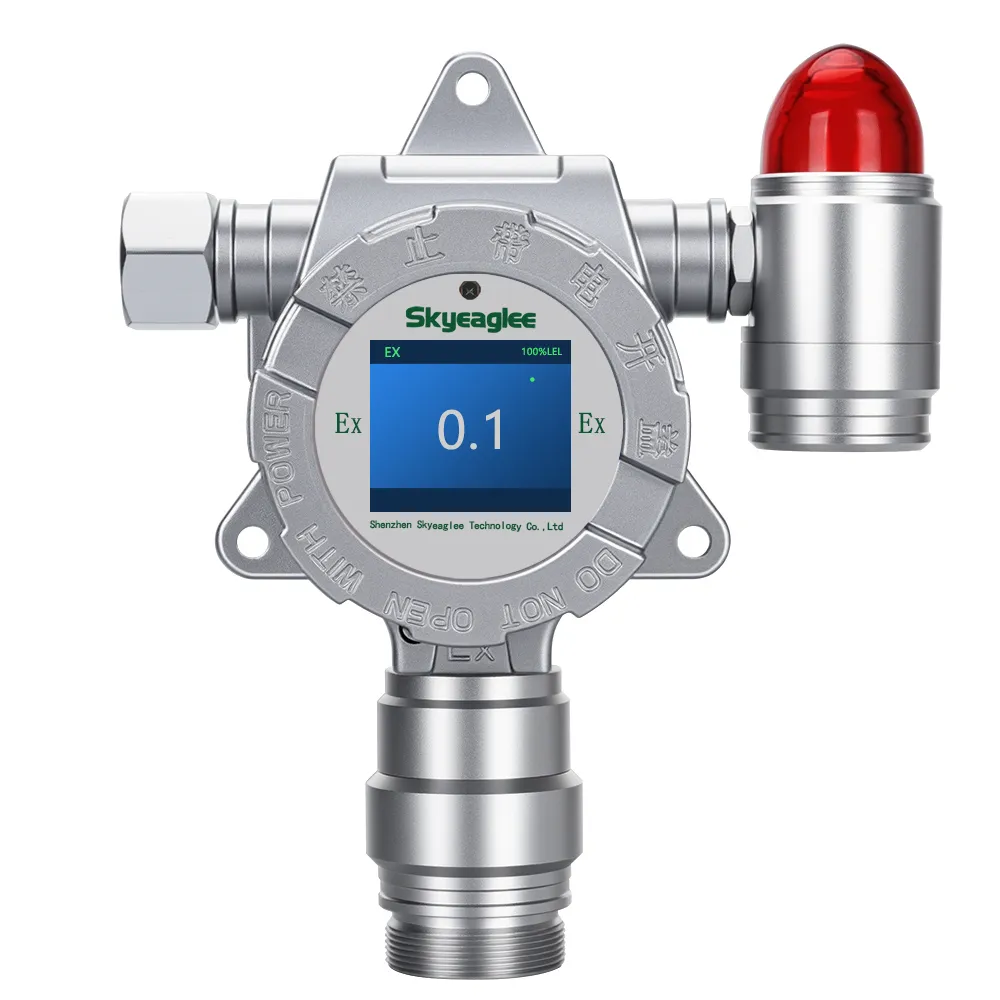
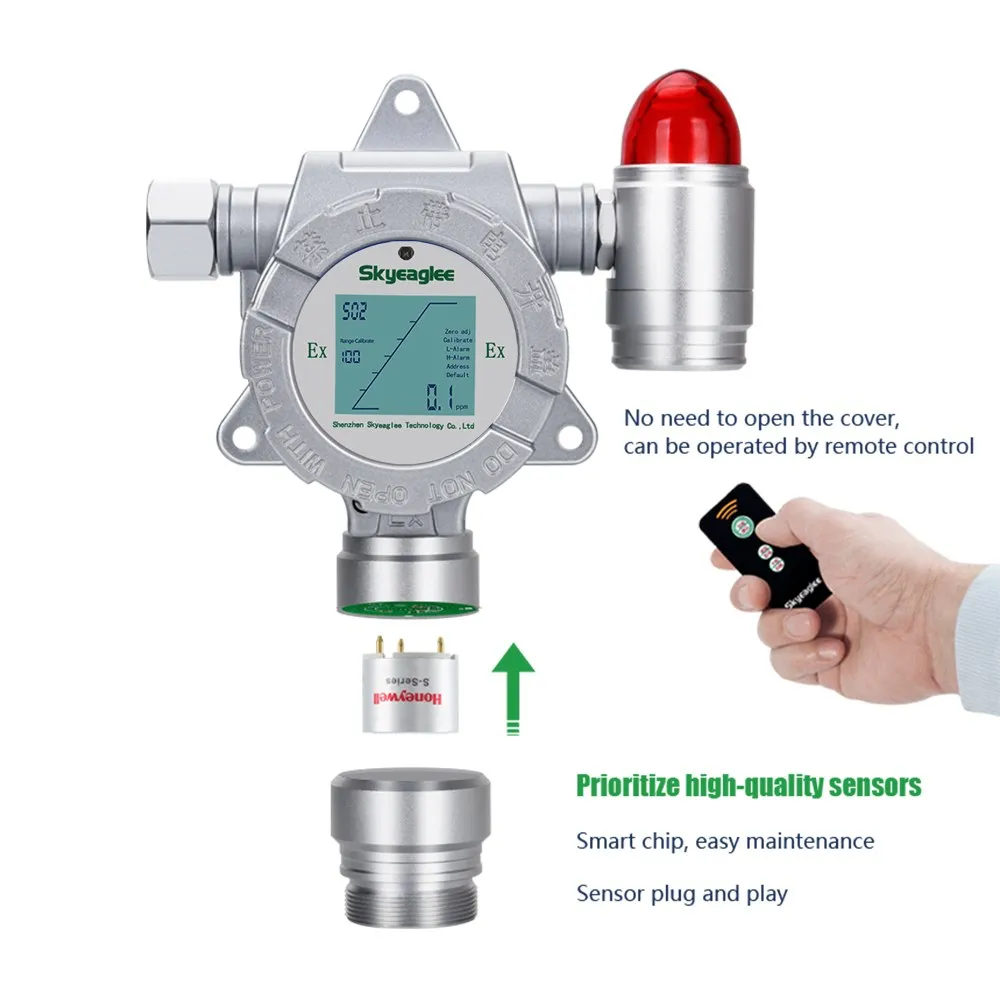
A fixed oxygen detector for confined space is a specialized industrial device designed to continuously monitor oxygen levels in enclosed or partially enclosed spaces, providing real-time alerts when levels fall below or rise above safe thresholds. Unlike portable oxygen monitors, which are carried by workers during entry, a fixed oxygen gas detector for confined space is permanently installed in or near the confined space, operating 24 hours a day, 7 days a week, to provide constant monitoring even when no workers are present. These devices are engineered to withstand harsh industrial environments, including extreme temperatures, humidity, dust, and hazardous gases, ensuring reliable performance in the most challenging conditions.
Fixed oxygen detectors are part of a larger confined space oxygen monitoring system, which typically includes sensors, a control panel, alarm systems, and data logging capabilities. The primary goal of these systems is to prevent accidents caused by oxygen deficiency (low oxygen) or oxygen enrichment (high oxygen), both of which pose significant risks to human life and facility safety. By providing continuous, real-time monitoring and immediate alerts, a wall-mounted oxygen detector for confined space gives safety managers and workers the time needed to respond to hazards before they become life-threatening.
 |
 |
Core Purpose: Continuous O2 Monitoring for Confined Space Safety
The core purpose of an oxygen detector for confined space is to ensure that oxygen levels remain within the safe range for human occupancy, which is typically between 19.5% and 23.5% by volume (Vol. O2). When oxygen levels drop below 19.5%, it is considered oxygen deficiency, and when they rise above 23.5%, it is considered oxygen enrichment—both are dangerous and can lead to serious accidents. A fixed oxygen detector continuously measures oxygen levels, converts the measurement into an electrical signal, and transmits it to a control panel. If levels exceed the pre-set thresholds, the device triggers an alarm (audible, visual, or both) and can also send alerts to remote monitoring systems or integrate with other safety equipment, such as ventilation systems or lockout-tagout devices.
For industrial facilities, continuous oxygen monitoring is not just a safety measure—it’s a legal requirement in most countries. Regulatory bodies like OSHA (Occupational Safety and Health Administration) in the United States, the EU’s ATEX directive, and IECEx (International Electrotechnical Commission System of Conformity Assessment Schemes for Electrotechnical Equipment for Explosive Atmospheres) mandate that employers provide adequate monitoring for confined spaces to protect workers. An industrial oxygen detector for confined space helps facilities meet these requirements while ensuring the highest level of safety for their teams.
How It Differs From General Oxygen Sensors
While general oxygen sensors are designed to measure oxygen levels in open or well-ventilated areas, an oxygen detector for confined space is specifically engineered for the unique challenges of enclosed environments. Here are the key differences:
• Continuous Monitoring: Fixed oxygen detectors for confined spaces operate 24/7, even when no workers are present, providing constant protection against sudden oxygen fluctuations. General oxygen sensors may be intermittent or designed for short-term use.
• Alarm Integration: Fixed oxygen detectors are integrated with alarm systems that provide immediate alerts when oxygen levels are unsafe. They can also connect to remote monitoring platforms, allowing safety managers to monitor levels from a distance. General oxygen sensors may not have this level of integration.
• Compliance Focus: Fixed oxygen detectors for confined spaces are designed to meet strict industrial safety standards (e.g., ATEX, CE, OSHA), ensuring that facilities remain compliant with regulatory requirements. General oxygen sensors may not meet these rigorous standards.
• Targeted Detection: Confined space oxygen detectors are calibrated to measure oxygen levels in the specific range relevant to human safety (19.5–23.5% Vol. O2), whereas general oxygen sensors may have a broader range and not be optimized for confined space use.
In short, an oxygen detector for confined space is a specialized tool that addresses the unique hazards of enclosed environments, providing reliable, continuous monitoring and ensuring compliance with safety regulations. It is not a replacement for general oxygen sensors but rather a critical addition to any confined space safety program.
2. Why Oxygen Monitoring Is Critical in Confined Space Operations
OSHA & International Safety Standards for Confined Space Entry
Confined space operations are heavily regulated worldwide, with strict standards governing oxygen monitoring to protect workers. In the United States, OSHA’s Standard 1910.146 (Permit-Required Confined Spaces) mandates that employers must assess confined spaces for hazards, including oxygen imbalances, and provide appropriate monitoring equipment. OSHA requires that oxygen levels be measured before workers enter a confined space and continuously monitored during entry if the space is classified as permit-required. An oxygen detector for confined space is the primary tool used to meet this requirement, as it provides real-time, continuous monitoring to ensure safe oxygen levels.
Internationally, the EU’s ATEX directive (2014/34/EU) governs equipment used in explosive atmospheres, including fixed oxygen detectors for confined spaces in hazardous areas. The IECEx system provides a global framework for the certification of electrical equipment for explosive atmospheres, ensuring that ATEX oxygen detector for confined space models meet consistent safety standards across countries. Other regional standards, such as Australia’s AS/NZS 60079 and Canada’s CSA C22.2 No. 157, also require oxygen monitoring in confined spaces, making a reliable oxygen detector a legal necessity for most industrial facilities.
These standards are not just bureaucratic requirements—they are designed to prevent accidents and save lives. By implementing an oxygen detector for confined space that meets these standards, facilities can ensure that they are protecting their workers, avoiding costly fines, and maintaining a safe working environment.
Legal & Liability Consequences of Inadequate O2 Monitoring
Failing to provide adequate oxygen monitoring in confined spaces can have severe legal and financial consequences. In the United States, OSHA can issue fines of up to $156,259 per violation for serious safety violations, and even higher for willful or repeated violations. In addition to fines, facilities may face lawsuits from injured workers or their families, resulting in millions of dollars in damages. For example, a facility that fails to install an oxygen detector for confined space and experiences a fatal accident due to oxygen deficiency could face criminal charges, as well as reputational damage that can harm business operations.
Liability extends beyond facility managers to safety officers, procurement teams, and even equipment suppliers. If a facility uses a substandard or uncertified oxygen detector that fails to detect an oxygen imbalance, the supplier may also be held liable. This is why it is critical to choose a CE certified oxygen detector for confined space that meets all relevant standards and has a proven track record of reliability.
In addition to legal consequences, inadequate oxygen monitoring can lead to lost productivity, facility shutdowns, and increased insurance costs. A single accident can result in weeks or months of downtime while investigations are conducted and safety measures are improved. By investing in a high-quality oxygen detector for confined space, facilities can avoid these costs and ensure that their operations remain compliant and efficient.
Real-World Accidents Caused by Oxygen Deficiency or Enrichment
The dangers of inadequate oxygen monitoring in confined spaces are not theoretical—they are proven by countless real-world accidents. Here are three tragic examples that highlight the critical importance of an oxygen detector for confined space:
1. Wastewater Treatment Plant Accident (2023): In a small town in the United States, two workers entered a sewage lift station without proper oxygen monitoring. The station had poor ventilation, and methane gas from the wastewater had displaced oxygen, causing oxygen levels to drop to 12% Vol. O2. The first worker collapsed within minutes of entry, and the second worker, attempting to rescue them, also collapsed. Both workers died from oxygen deprivation. An investigation revealed that the facility had not installed a fixed oxygen detector for confined space and had not conducted proper pre-entry oxygen testing.
2. Oil Tank Cleaning Accident (2022): A team of workers was cleaning an oil storage tank at a refinery in Europe. The tank had been purged with nitrogen to remove flammable vapors, but the nitrogen displaced oxygen, resulting in oxygen levels of less than 10% Vol. O2. The workers did not have a continuous oxygen monitoring in confined space system, and by the time they realized something was wrong, three workers had collapsed. Two of them died, and the third suffered permanent brain damage due to oxygen deprivation.
3. Construction Manhole Accident (2021): A construction crew was working on a sewer manhole in an urban area. The manhole had accumulated toxic gases and low oxygen levels due to poor ventilation. The crew did not use an oxygen detector for manhole entry, and one worker entered the manhole, collapsed, and died within seconds. A second worker attempted to rescue them and also collapsed, suffering serious injuries. The investigation found that the crew had not followed OSHA guidelines for confined space entry, including failing to use proper oxygen monitoring equipment.
These accidents are preventable with the right equipment and procedures. An oxygen detector for confined space would have detected the low oxygen levels before workers entered, triggering an alarm and preventing the tragedies. These examples serve as a stark reminder of why oxygen monitoring is not just a legal requirement but a moral obligation to protect workers.
3. The Hidden Risks: Oxygen Deficiency & Oxygen Enrichment
What Is Oxygen Deficiency? (O2 < 19.5%)
Oxygen deficiency occurs when the concentration of oxygen in the air drops below 19.5% Vol. O2, which is the minimum safe level for human occupancy. This is one of the most common and dangerous hazards in confined spaces, as it can occur suddenly and without warning. Oxygen deficiency is typically caused by the displacement of oxygen by other gases, such as nitrogen, methane, carbon dioxide, or other inert or toxic gases. Common scenarios that lead to oxygen deficiency include:
• Purging confined spaces with inert gases (e.g., nitrogen, argon) to remove flammable or toxic vapors.
• Decomposition of organic materials (e.g., in wastewater treatment tanks, landfills, or silos).
• Leakage of natural gas, methane, or other gases that displace oxygen.
• Chemical reactions within the confined space that consume oxygen (e.g., fermentation in food and beverage facilities).
• Poor ventilation, which prevents fresh air from entering the confined space and stale air from exiting.
An oxygen deficiency monitor for confined space is specifically designed to detect these low oxygen levels, providing early warning to workers and safety managers. Without this monitoring, oxygen deficiency can go undetected until it’s too late, leading to serious injury or death.
Symptoms & Dangers of Low Oxygen in Confined Spaces
The human body relies on a steady supply of oxygen to function properly, and even slight decreases in oxygen levels can cause symptoms that impair judgment and physical ability. The severity of symptoms depends on the oxygen level and the duration of exposure:
• 19.5%–17% Vol. O2: Mild symptoms, including fatigue, dizziness, shortness of breath, and impaired judgment. Workers may not notice these symptoms, which can lead to risky behavior.
• 17%–15% Vol. O2: Moderate symptoms, including confusion, headaches, nausea, rapid heartbeat, and loss of coordination. Workers may struggle to think clearly or perform simple tasks.
• 15%–12% Vol. O2: Severe symptoms, including unconsciousness, convulsions, and respiratory failure. At this level, death can occur within minutes.
• Below 12% Vol. O2: Immediate loss of consciousness and death within seconds. There is no time to react, making early detection with an oxygen detector for confined space critical.
One of the most dangerous aspects of oxygen deficiency is that it often occurs without warning. Workers may enter a confined space that appears safe, only to collapse within minutes as oxygen levels drop. This is why continuous monitoring with a fixed oxygen detector for confined space is essential—it provides real-time alerts before symptoms become severe, giving workers time to evacuate safely.
What Is Oxygen Enrichment? (O2 > 23.5%)
While oxygen deficiency is more commonly discussed, oxygen enrichment (oxygen levels above 23.5% Vol. O2) is also a serious hazard in confined spaces. Oxygen enrichment occurs when the concentration of oxygen in the air is higher than normal, typically due to the leakage of pure oxygen or oxygen-rich gases into the confined space. Common causes of oxygen enrichment include:
• Leakage from oxygen tanks, pipelines, or welding equipment.
• Use of oxygen-rich air for ventilation or purging.
• Chemical reactions that release oxygen (e.g., in certain manufacturing processes).
Many people mistakenly believe that more oxygen is better, but oxygen enrichment is just as dangerous as oxygen deficiency. An oxygen depletion detector for confined space can also detect high oxygen levels, but it’s important to choose a detector that monitors both low and high thresholds to ensure full protection.
Fire & Explosion Risks in High-Oxygen Environments
The primary danger of oxygen enrichment is an increased risk of fire and explosion. Oxygen is a catalyst for combustion, and higher oxygen levels make flammable materials (e.g., oil, grease, dust, solvents) burn much faster and more intensely. In a confined space, this can lead to catastrophic fires or explosions that can destroy equipment, injure workers, and shut down operations.
For example, if a confined space has oxygen levels of 25% Vol. O2, a small spark from a tool or electrical equipment could ignite flammable vapors, leading to an explosion. The fire would burn much hotter and faster than in normal oxygen levels, making it difficult to extinguish and increasing the risk of injury. In addition, oxygen enrichment can cause materials that are not normally flammable (e.g., clothing, paper) to catch fire easily.
An oxygen detector for confined space that monitors both low and high oxygen levels can detect oxygen enrichment early, triggering an alarm and allowing workers to evacuate and address the source of the leak. This is critical for preventing fires and explosions in confined spaces, especially in industries that use oxygen or oxygen-rich gases, such as welding, chemical manufacturing, and healthcare.
4. How a Fixed Oxygen Detector for Confined Space Works
Working Principle of Industrial Oxygen Sensors
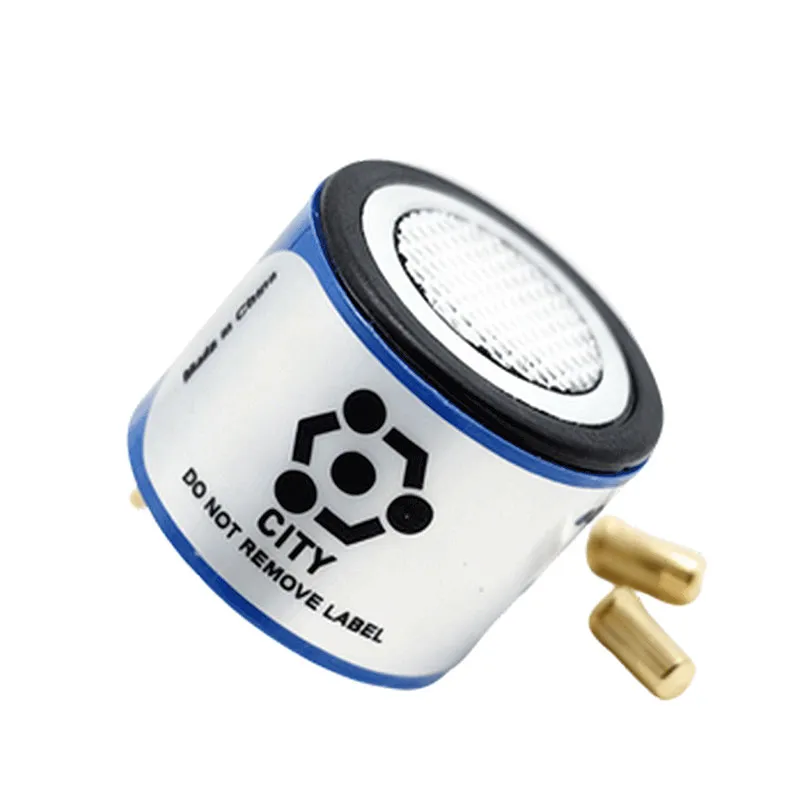
Fixed oxygen detectors for confined spaces rely on specialized sensors to measure oxygen levels in the air. The most common type of sensor used in these detectors is the electrochemical oxygen sensor, which is designed to provide accurate, reliable measurements in harsh industrial environments. The working principle of an electrochemical oxygen sensor is based on a chemical reaction that occurs when oxygen comes into contact with the sensor’s electrodes.
When oxygen molecules enter the sensor through a permeable membrane, they react with a chemical electrolyte inside the sensor, producing an electrical current. The magnitude of this current is proportional to the concentration of oxygen in the air—higher oxygen levels produce a larger current, while lower oxygen levels produce a smaller current. The sensor converts this current into a digital signal, which is then transmitted to the detector’s control panel for processing and display.
Other types of oxygen sensors, such as optical sensors or zirconia sensors, are also used in some fixed oxygen detectors, but electrochemical sensors are the most common due to their accuracy, reliability, and low cost. An industrial oxygen detector for confined space typically uses a high-quality electrochemical sensor to ensure precise measurements and long-term performance.
Electrochemical Oxygen Sensor Technology
Electrochemical oxygen sensors are composed of several key components, including a working electrode, a counter electrode, a reference electrode, and an electrolyte. The working electrode is where the oxygen reduction reaction occurs, while the counter electrode completes the circuit. The reference electrode maintains a stable voltage, ensuring accurate measurements even in changing environmental conditions.
One of the key advantages of electrochemical oxygen sensors is their high selectivity—they only respond to oxygen, making them ideal for use in confined spaces where other gases may be present. They also have a fast response time (typically T90 < 15 seconds), which means they can detect changes in oxygen levels quickly, providing timely alerts to workers.
Most electrochemical oxygen sensors have a lifespan of 2–5 years, depending on the operating environment and usage. Factors such as high humidity, extreme temperatures, and exposure to toxic gases can reduce the sensor’s lifespan, which is why regular maintenance and calibration are essential. An oxygen detector for confined space with a replaceable sensor makes it easy to maintain and extend the life of the device.
Advantages of Electrochemical O2 Sensors
Electrochemical oxygen sensors offer several key advantages that make them ideal for fixed oxygen detectors for confined spaces:
• Accuracy: Electrochemical sensors provide high accuracy (typically ±0.5% Vol. O2) over a wide range of oxygen levels (0–30% Vol. O2), ensuring reliable measurements in confined spaces.
• Selectivity: They only respond to oxygen, eliminating false alarms caused by other gases, which is critical in confined spaces where multiple gases may be present.
• Fast Response Time: With a T90 response time of less than 15 seconds, electrochemical sensors can detect changes in oxygen levels quickly, providing timely alerts to workers.
• Low Power Consumption: They require minimal power, making them suitable for fixed detectors that operate 24/7 on battery or AC power.
• Cost-Effective: Electrochemical sensors are relatively inexpensive compared to other types of oxygen sensors, making them a cost-effective choice for industrial facilities.
These advantages make electrochemical sensors the preferred choice for fixed oxygen detector for confined space models, ensuring that facilities get reliable, accurate monitoring at a reasonable cost.
System Components of a Fixed Oxygen Monitoring System
A complete fixed oxygen monitoring system for confined spaces consists of several key components that work together to provide continuous, reliable monitoring. These components include:
• Oxygen Detector/Sensor: The core component that measures oxygen levels. A fixed oxygen sensor for confined space is typically wall-mounted or installed directly in the confined space, depending on the application. It contains the electrochemical sensor and transmits data to the control panel.
• Control Panel: The central hub of the system, which receives data from the oxygen detector, displays real-time oxygen levels, and triggers alarms when levels are unsafe. The control panel may be located near the confined space or in a remote location (e.g., a safety office) for easy monitoring.
• Alarm System: Audible and visual alarms that activate when oxygen levels fall below or rise above pre-set thresholds. Alarms may be located on the detector itself, the control panel, or in remote locations to ensure that workers and safety managers are alerted immediately.
• Data Logging & Reporting: Many fixed oxygen monitoring systems include data logging capabilities, which record oxygen levels over time. This data can be used for compliance reporting, safety audits, and incident investigations. Some systems also allow for remote access to data via a computer, tablet, or smartphone.
• Output Signals: Most fixed oxygen detectors provide output signals (e.g., 4-20mA, RS485, Modbus, relay) that allow integration with other safety equipment, such as ventilation systems, lockout-tagout devices, or emergency shutdown systems. This integration ensures that the system can automatically respond to unsafe oxygen levels, such as turning on ventilation to increase oxygen levels or shutting down equipment to prevent fires.
Each component plays a critical role in ensuring the effectiveness of the confined space oxygen monitoring system. By choosing a system with high-quality components, facilities can ensure reliable performance and maximum safety.
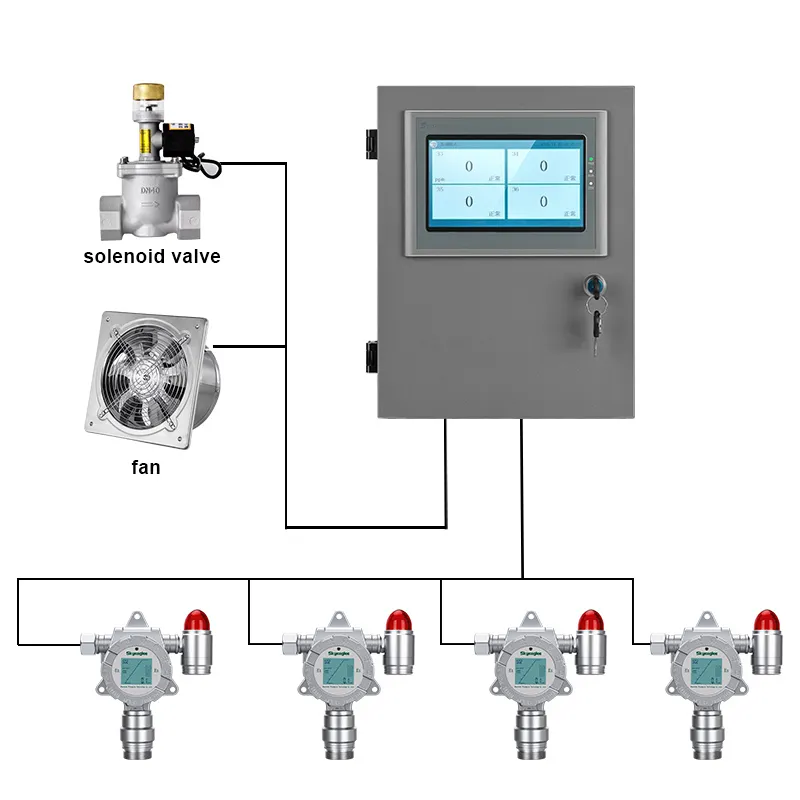
Alarm System & Real-Time Data Transmission
The alarm system is one of the most important components of a fixed oxygen detector for confined space, as it provides immediate alerts when oxygen levels are unsafe. Most systems include both audible and visual alarms: audible alarms are typically loud buzzers or horns that can be heard even in noisy industrial environments, while visual alarms are bright LED lights (usually red for low oxygen, yellow for high oxygen) that are easily visible.
Alarms are triggered when oxygen levels fall below the low threshold (typically 19.5% Vol. O2) or rise above the high threshold (typically 23.5% Vol. O2). Some systems also include a fault alarm, which triggers if the detector malfunctions, the sensor fails, or the power supply is interrupted. This ensures that safety managers are alerted to any issues with the system, preventing false sense of security.
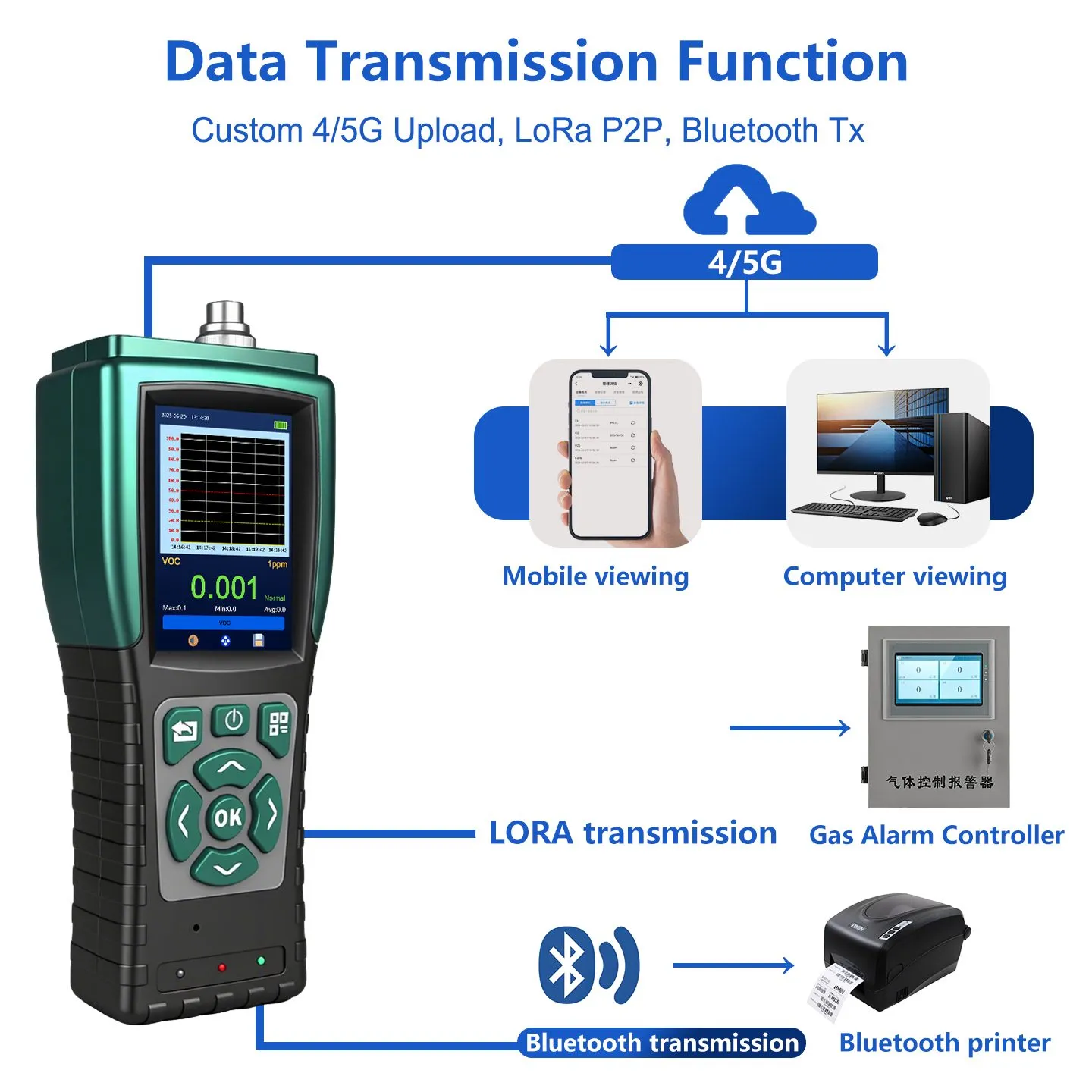
Real-time data transmission is another key feature of modern fixed oxygen monitoring systems. Many systems allow for remote monitoring via a web-based platform, mobile app, or SCADA (Supervisory Control and Data Acquisition) system. This means that safety managers can monitor oxygen levels in real time from anywhere, receive alerts on their mobile devices, and access historical data for reporting and analysis. An oxygen detector for confined space with remote monitoring capabilities provides greater flexibility and peace of mind, especially for facilities with multiple confined spaces or remote locations.
5. Fixed Oxygen Detector vs Portable Oxygen Detector: Which Is Better?
When it comes to oxygen monitoring in confined spaces, facilities have two main options: fixed oxygen detectors and portable oxygen detectors. Both have their advantages and disadvantages, and the choice depends on the specific needs of the facility. In many cases, the best practice is to use a combination of both to ensure comprehensive safety. Below is a detailed comparison of the two types, along with guidance on when to use each.
| Feature | Fixed Oxygen Detector for Confined Space | Portable Oxygen Detector |
| Monitoring Type | Continuous 24/7 monitoring, even when no workers are present. | Intermittent or continuous monitoring while carried by workers. |
| Installation | Permanently mounted in or near the confined space (wall-mounted, ceiling-mounted, or flush-mounted). | No installation required; carried by workers or placed temporarily in the confined space. |
| Application scenario | Permanent confined spaces (e.g., tanks, vessels, tunnels) that require ongoing monitoring; high-risk areas with frequent oxygen fluctuations. | Temporary confined spaces (e.g., manholes, trenches) or for pre-entry testing; workers entering confined spaces for short periods. |
When to Use Fixed Oxygen Detector for Confined Space
A fixed oxygen detector is the best choice for facilities with permanent confined spaces that require ongoing monitoring. Here are the key scenarios where a fixed oxygen detector for confined space is most appropriate:
• Permanent Confined Spaces: Tanks, vessels, tunnels, underground mines, and other confined spaces that are part of the facility’s regular operations and require 24/7 monitoring.
• High-Risk Areas: Confined spaces where oxygen levels are prone to frequent fluctuations, such as those used for purging, chemical reactions, or wastewater treatment.
• Compliance with Continuous Monitoring Requirements: Facilities that need to meet OSHA, ATEX, or other regulatory requirements for continuous oxygen monitoring in permit-required confined spaces.
• Remote or Unattended Areas: Confined spaces that are not easily accessible or are monitored remotely, where a fixed detector can provide continuous alerts without the need for on-site workers.
• Integration with Other Safety Systems: Facilities that want to integrate oxygen monitoring with ventilation systems, emergency shutdown systems, or SCADA systems for automatic response to hazards.
In these scenarios, a fixed oxygen gas detector for confined space provides the most reliable, consistent monitoring, ensuring that workers and facilities are protected at all times.
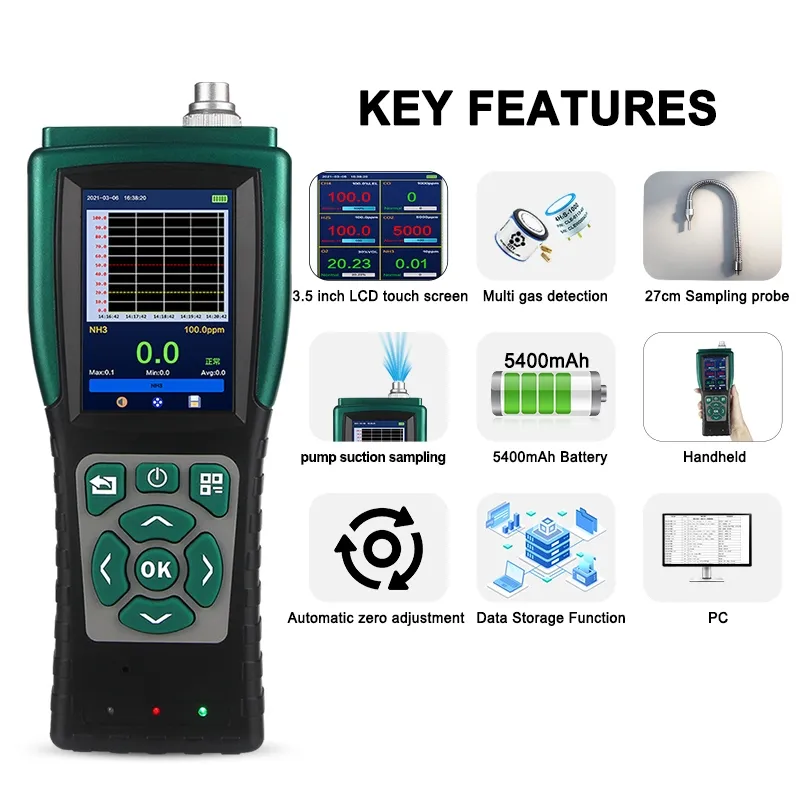
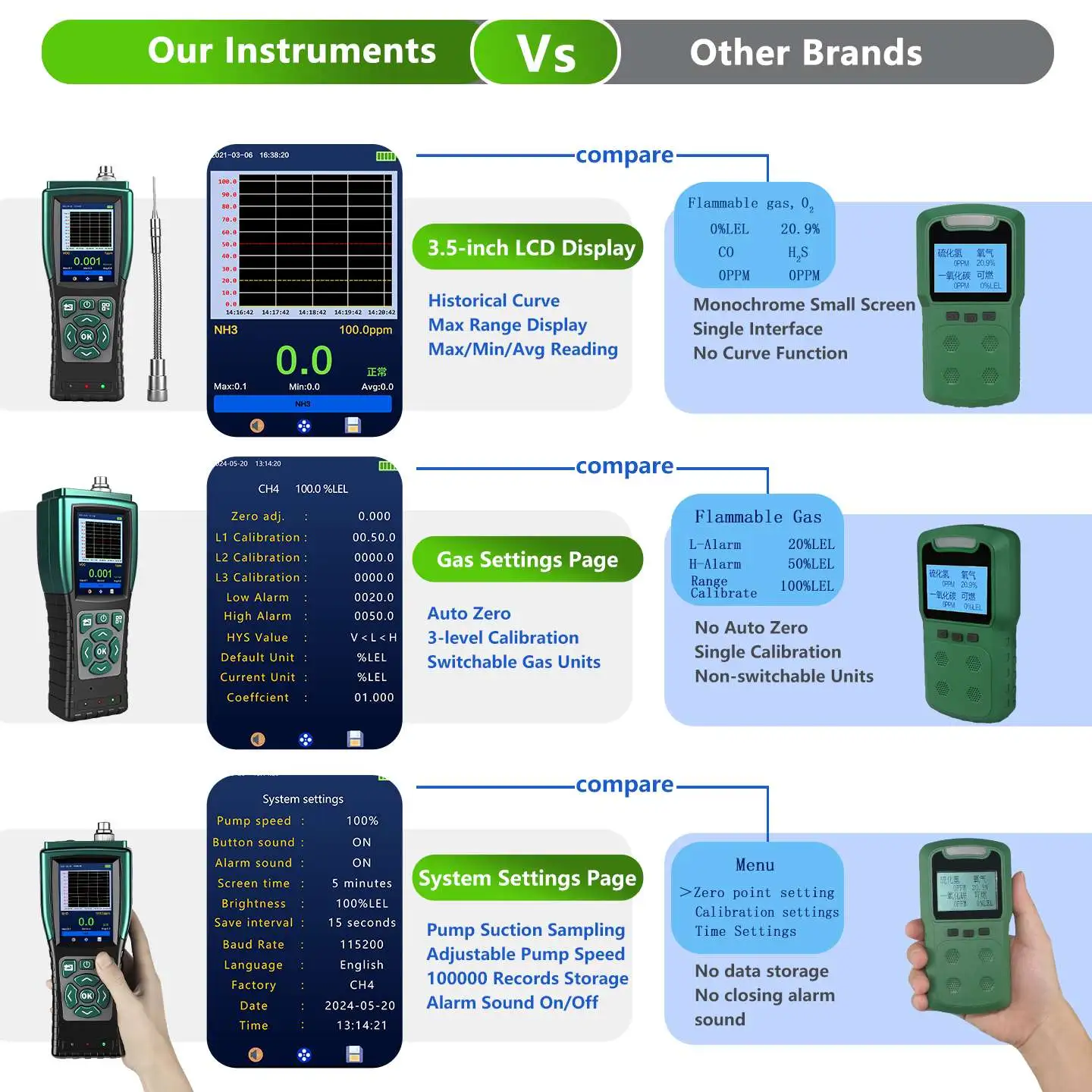
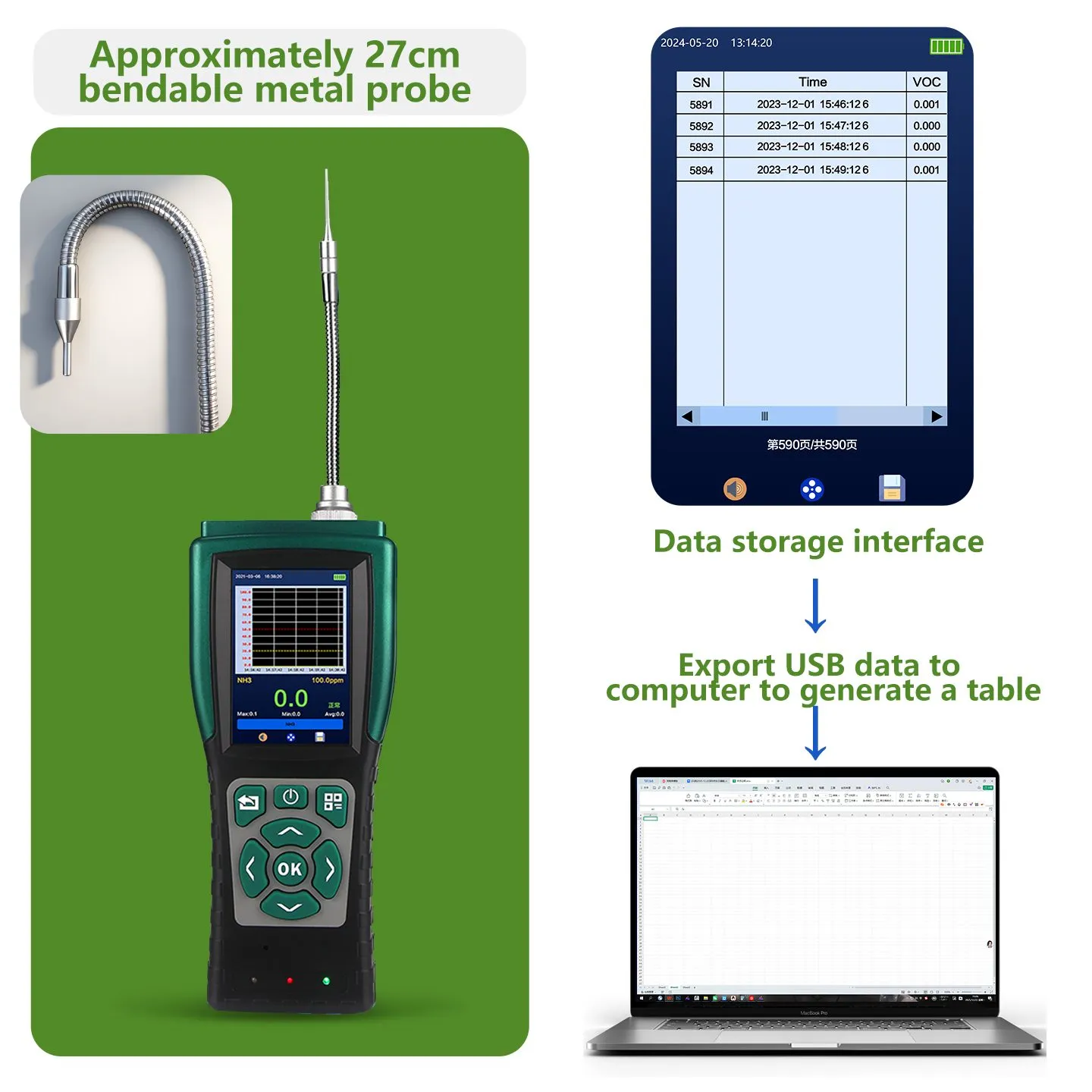
When to Use Portable O2 Monitor for Confined Space Entry
Portable oxygen detectors are ideal for temporary or short-term confined space operations, where continuous 24/7 monitoring is not required. Here are the key scenarios where a portable oxygen monitor is most appropriate:
• Pre-Entry Testing: Before workers enter a confined space, a portable oxygen monitor is used to test oxygen levels to ensure they are within the safe range. This is a requirement for permit-required confined spaces under OSHA and other standards.
• Temporary Confined Spaces: Manholes, trenches, construction sites, and other confined spaces that are only used temporarily and do not require permanent monitoring.
• Worker Mobility: Workers who need to move between multiple confined spaces or work in different areas of the facility can carry a portable detector with them for personal protection.
• Backup Monitoring: As a backup to fixed oxygen detectors, in case the fixed system malfunctions or is temporarily out of service.
• Low-Cost Solutions: Small facilities or those with limited budgets may use portable detectors for short-term or occasional confined space operations, although this is not recommended for high-risk areas.
A fixed O2 monitor for confined space entry is not a replacement for a portable detector in these scenarios, as portable detectors provide the flexibility and mobility needed for temporary operations.
 |
 |
 |
 |
 |
 |
Best Practice: Fixed + Portable Combined System
The most effective confined space safety program uses a combination of fixed and portable oxygen detectors. This approach ensures comprehensive protection, addressing both long-term monitoring needs and short-term entry requirements. Here’s how the two systems work together:
• Fixed Detectors: Provide 24/7 continuous monitoring of permanent confined spaces, triggering alarms if oxygen levels become unsafe. They also integrate with other safety systems to automatically respond to hazards (e.g., turning on ventilation).
• Portable Detectors: Used for pre-entry testing to confirm that oxygen levels are safe before workers enter the confined space. They are also carried by workers during entry, providing personal protection in case oxygen levels fluctuate unexpectedly.
This combined approach ensures that facilities meet all regulatory requirements, protect workers from both long-term and short-term hazards, and minimize the risk of accidents. An oxygen detector for confined space—whether fixed or portable—is a critical component of this safety program, and using both types provides the highest level of protection.
6. Key Features to Look for in a Fixed Oxygen Detector for Confined Space
Choosing the right fixed oxygen detector for confined space is critical to ensuring safety and compliance. With so many options on the market, it’s important to know what features to look for to make an informed decision. Below are the key features to consider when selecting a fixed oxygen detector for confined space, along with why each feature is important.
Measurement Range (0–30% Vol. O2 Standard)
The measurement range of the oxygen detector is one of the most basic but important features to consider. For confined space applications, the standard measurement range is 0–30% Vol. O2, which covers both the safe range (19.5–23.5% Vol. O2) and the dangerous ranges (below 19.5% and above 23.5% Vol. O2). A detector with a range of 0–30% Vol. O2 ensures that it can detect both oxygen deficiency and enrichment, providing full protection.
Some detectors may have a narrower range (e.g., 0–25% Vol. O2), but this is not recommended for confined spaces, as it may not detect high oxygen levels above 25% Vol. O2. When choosing a fixed oxygen gas detector for confined space, always ensure that the measurement range is at least 0–30% Vol. O2 to cover all possible hazards.
Accuracy & Response Time (T90)
Accuracy is critical for oxygen monitoring, as even small errors in measurement can lead to dangerous situations. A high-quality oxygen detector for confined space should have an accuracy of ±0.5% Vol. O2 or better, ensuring that measurements are reliable and consistent. This is especially important in confined spaces where oxygen levels can fluctuate rapidly, and even a small error could mean the difference between safe and unsafe conditions.
Response time (T90) is another key factor. T90 is the time it takes for the detector to reach 90% of the final measurement after being exposed to a change in oxygen levels. For confined space applications, a T90 response time of less than 15 seconds is recommended, as this ensures that the detector can quickly detect changes in oxygen levels and trigger alarms in a timely manner. A slow response time could result in workers being exposed to unsafe conditions before the alarm is triggered.
Explosion-Proof & Hazardous Area Ratings
Many confined spaces are classified as hazardous areas due to the presence of flammable gases, vapors, or dust. In these environments, an explosion-proof oxygen detector for confined space is required to prevent the detector itself from causing a fire or explosion. Explosion-proof detectors are designed with rugged enclosures that can contain any internal sparks or flames, preventing them from igniting the surrounding atmosphere.
When choosing a detector for hazardous areas, look for ratings such as ATEX, IECEx, or UL Class/Division. For example, an ATEX oxygen detector for confined space should have a rating of II 2G Ex d IIC T6 Gb, which means it is suitable for use in explosive gas atmospheres (Group II, Category 2G, Explosion-proof protection, IIC gas group, Temperature class T6). These ratings ensure that the detector meets strict safety standards for use in hazardous areas.
Alarm Settings (Low / High / Fault)
A reliable alarm system is essential for any oxygen detector for confined space. The detector should have adjustable low and high alarm thresholds, allowing facilities to set them according to their specific needs (typically 19.5% Vol. O2 for low and 23.5% Vol. O2 for high). The alarm should be both audible and visual, with a loud enough audible alarm (at least 85 dB) to be heard in noisy industrial environments and a bright visual alarm (red for low, yellow for high) that is easily visible.
In addition to low and high alarms, the detector should also have a fault alarm, which triggers if the detector malfunctions, the sensor fails, or the power supply is interrupted. This ensures that safety managers are alerted to any issues with the system, preventing a false sense of security. Some detectors also have a pre-alarm setting, which triggers a warning when oxygen levels are approaching the unsafe threshold, giving workers additional time to respond.
Output Signals (4-20mA, Relay, RS485, Modbus)
Output signals are critical for integrating the fixed oxygen detector for confined space with other safety systems. The most common output signals include:
• 4-20mA: A standard analog signal that transmits the oxygen level to a control panel or SCADA system. This signal is ideal for continuous monitoring and integration with other industrial equipment.
• Relay Outputs: Allow the detector to trigger external devices, such as ventilation systems, emergency shutdown systems, or lockout-tagout devices. For example, if oxygen levels drop below the safe threshold, the relay can automatically turn on ventilation to increase oxygen levels.
• RS485 / Modbus: Digital signals that allow for communication between multiple detectors and a central control panel. This is ideal for facilities with multiple confined spaces, as it allows for centralized monitoring and control.
When choosing a detector, ensure that it has the output signals needed to integrate with your existing safety systems. This will ensure that the detector can work seamlessly with other equipment to provide a comprehensive safety solution.
IP Rating & Durability for Harsh Industrial Environments
Confined spaces are often harsh environments, with extreme temperatures, high humidity, dust, and corrosive gases. An oxygen detector for confined space must be durable enough to withstand these conditions to ensure reliable performance. The IP (Ingress Protection) rating is a key indicator of the detector’s durability, with higher IP ratings indicating better protection against dust and water.
For industrial applications, an IP rating of IP66 or higher is recommended. IP66 means the detector is completely protected against dust and can withstand powerful water jets, making it suitable for use in wet or dusty environments, such as wastewater treatment plants, mines, and construction sites. Some detectors also have additional protection against corrosion, such as stainless steel enclosures or anti-corrosive coatings, which are ideal for use in chemical plants or marine environments.
In addition to IP rating, the detector should be able to operate in a wide temperature range (typically -20°C to 50°C or wider) to ensure performance in extreme conditions. This is especially important for outdoor confined spaces or facilities with extreme temperature fluctuations.
Easy Calibration & Low Maintenance
Regular calibration is essential for ensuring the accuracy of an oxygen detector for confined space. Calibration involves adjusting the detector to match a known concentration of oxygen, ensuring that it provides accurate measurements. A detector that is easy to calibrate will save time and money on maintenance, as it can be calibrated by on-site personnel without the need for specialized training.
Look for detectors with one-button calibration or automatic calibration features, which simplify the process. Some detectors also have calibration reminders, which alert safety managers when calibration is due. In addition, the detector should have a replaceable sensor, which makes it easy to maintain and extend the life of the device. Most electrochemical sensors have a lifespan of 2–5 years, so choosing a detector with a replaceable sensor will reduce long-term maintenance costs.
7. Industrial Applications of Oxygen Detectors for Confined Space
Oxygen detectors for confined spaces are used in a wide range of industrial applications, where enclosed or partially enclosed spaces pose a risk of oxygen imbalance. Below are the key industries and applications where an oxygen detector for confined space is essential, along with the specific risks and monitoring requirements for each.
Oil & Gas Industry (Tanks, Vessels, Pipelines)
The oil and gas industry is one of the most high-risk sectors for confined space accidents, with numerous confined spaces including storage tanks, pressure vessels, pipelines, and wellheads. These spaces often contain flammable gases (e.g., methane, propane) and are prone to oxygen deficiency due to purging with inert gases or the displacement of oxygen by hydrocarbon vapors.
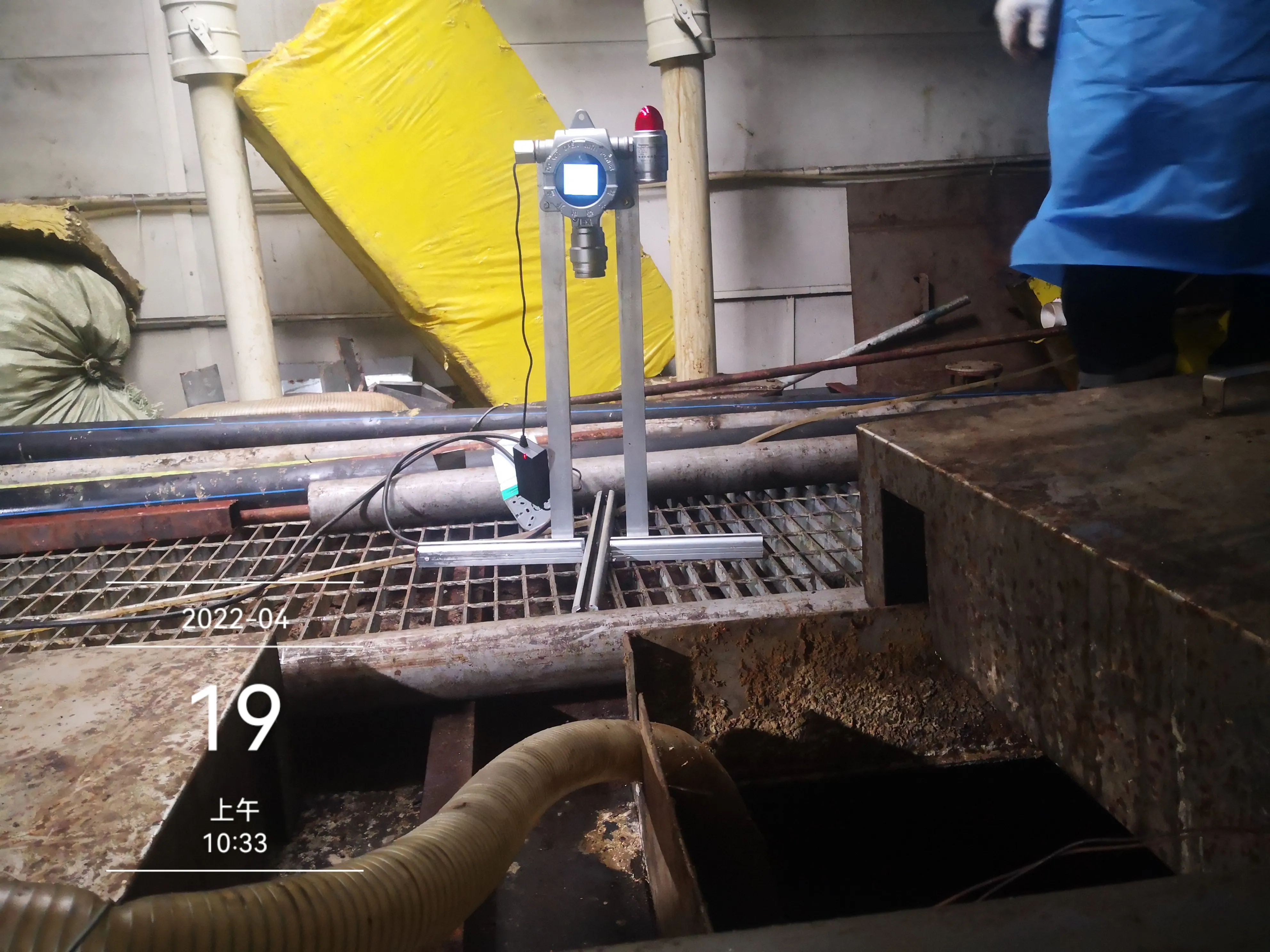
An oxygen detector for tank & vessel is essential in this industry to monitor oxygen levels during tank cleaning, maintenance, and inspection operations. For example, when cleaning an oil storage tank, the tank is often purged with nitrogen to remove flammable vapors, which can displace oxygen and create a dangerous environment. A fixed oxygen detector installed in the tank will continuously monitor oxygen levels, triggering an alarm if levels drop below 19.5% Vol. O2.
In addition, pipelines and wellheads may have confined spaces that require monitoring during maintenance or repair. An oxygen detector for confined space in these applications must be explosion-proof (ATEX/IECEx certified) to withstand the flammable atmosphere, and should have a wide temperature range to handle the extreme conditions often found in oil and gas operations.
Mining & Tunneling Confined Spaces
Oxygen monitoring in underground mines
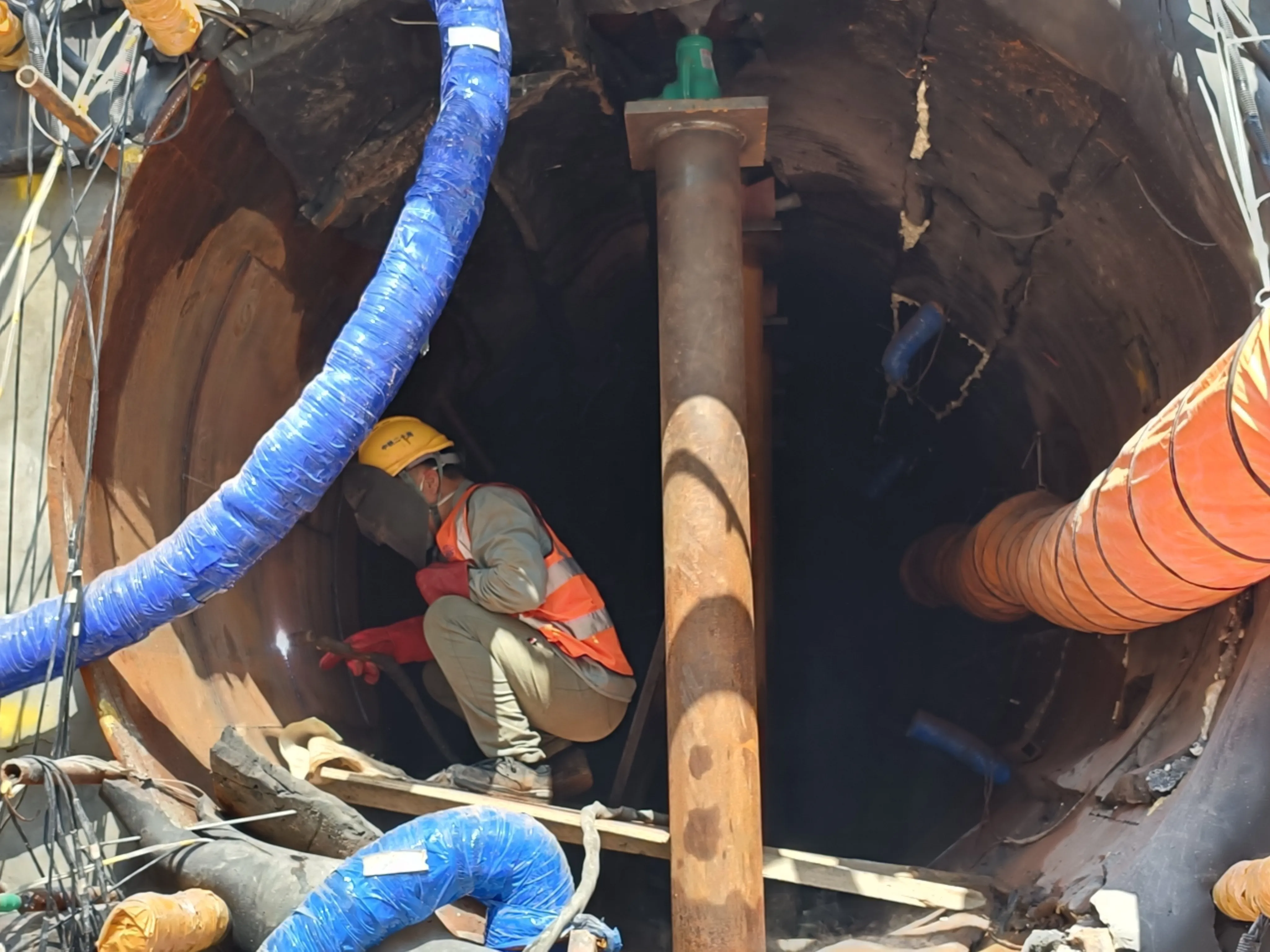
Underground mines are filled with confined spaces, including mine shafts, tunnels, and underground chambers. These spaces are prone to oxygen deficiency due to poor ventilation, the release of inert gases (e.g., nitrogen, carbon dioxide) from the rock, and the consumption of oxygen by mining equipment and workers. An oxygen detector for mining & construction confined space is essential to protect miners from oxygen deprivation.
Mining environments are harsh, with high dust levels, extreme temperatures, and potential exposure to toxic gases. A fixed oxygen detector for mines must be durable (IP66 or higher), explosion-proof, and have a fast response time to detect sudden oxygen fluctuations. In addition, the detector should be integrated with the mine’s ventilation system, so that if oxygen levels drop, ventilation is automatically increased to improve air flow.
Tunneling operations also require oxygen monitoring, as tunnels are often poorly ventilated and can accumulate inert gases or displace oxygen with construction materials. An oxygen detector for tunnel confined spaces should be wall-mounted or installed in strategic locations throughout the tunnel to ensure continuous monitoring.
Wastewater Treatment & Sewers
Wastewater treatment plants and sewers are another common application for oxygen detector for confined space models. These facilities have numerous confined spaces, including sewage lift stations, treatment tanks, and manholes, which are prone to oxygen deficiency due to the decomposition of organic materials. The decomposition process consumes oxygen and releases methane, carbon dioxide, and other gases that displace oxygen.
An oxygen detector for manhole, sewer, tunnel is essential for workers who enter these spaces for maintenance or repair. For example, a sewage lift station may have oxygen levels as low as 10% Vol. O2 due to methane buildup, which can be fatal to workers. A fixed oxygen detector installed in the lift station will continuously monitor oxygen levels, triggering an alarm if levels are unsafe.
Wastewater treatment environments are wet and corrosive, so the detector must have a high IP rating (IP66 or higher) and corrosion-resistant materials to withstand these conditions. In addition, the detector should have a fault alarm to alert safety managers if the sensor becomes contaminated or malfunctions.
Maritime & Shipbuilding Confined Spaces
Ships and offshore platforms have numerous confined spaces, including cargo holds, ballast tanks, engine rooms, and fuel tanks. These spaces are prone to oxygen deficiency due to the displacement of oxygen by fuel vapors, inert gases, or seawater. An oxygen detector for confined space is essential for workers who enter these spaces for maintenance, repair, or inspection.
Maritime environments are harsh, with high humidity, saltwater corrosion, and extreme temperature fluctuations. A fixed oxygen detector for ships must be marine-grade (IP67 or higher), corrosion-resistant, and explosion-proof. In addition, the detector should be able to operate on both AC and DC power, as ships often have limited power sources.
Shipbuilding yards also use oxygen detectors for confined spaces during the construction of ships, especially in areas such as fuel tanks and ballast tanks. These spaces are often purged with inert gases during construction, making oxygen monitoring critical to protect workers.
Construction & Manhole Entry
Construction sites often involve confined spaces, including manholes, trenches, crawl spaces, and concrete structures. These spaces are prone to oxygen deficiency due to poor ventilation, the release of gases from construction materials, or the displacement of oxygen by groundwater or soil gases. An oxygen detector for manhole entry is essential for workers who enter these spaces.
Construction environments are dynamic, with frequent changes in conditions, so the detector must be portable or easy to install temporarily. However, for permanent construction sites or high-risk areas, a fixed oxygen detector for confined space is recommended to provide continuous monitoring.
8.Conclusion: Prioritizing Safety in Every Breath
Confined space operations will always carry inherent risks, but oxygen-related accidents don't have to be one of them. As we’ve explored in this 2026 guide, a fixed oxygen detector for confined space is far more than a regulatory box to tick—it is a critical, 24/7 guardian of your most valuable asset: your people.
By transitioning from intermittent manual checks to a continuous, integrated oxygen monitoring system, facilities can eliminate the "dead zones" of safety, stay ahead of stringent OSHA and ATEX compliance, and prevent the split-second tragedies caused by oxygen deficiency or enrichment.
Whether you are managing a wastewater treatment plant, a sub-surface mine, or a high-pressure chemical vessel, the right equipment—featuring high-accuracy electrochemical sensors and explosion-proof durability—is your first line of defense.
Ready to upgrade your facility’s safety standards? Don't wait for an incident to reveal a gap in your monitoring. Explore our range of [oxygen gas detector /Skyeaglee] industrial oxygen detectors today, or contact our safety engineers for a customized confined space risk assessment.
RFQ:Oxygen detector
Q1:How do you detect Oxygen (O2)?
Q2:Can you be exposed to too much Oxygen (O2)?
Q3:Why is Oxygen (O2) detection important?
Q4:What is Oxygen (O2)?
Q5:What gases can be detected with an oxygen monitor?
Q6:Why do I need an oxygen deficiency monitor?
Previous: No more data
Related News
Contact Us





Fill out the form