Portable Hydrogen Gas Detector: Ultimate Safety Guide 2026

2026-04-09
In 2026, the global hydrogen energy sector is experiencing unprecedented growth, with applications spanning industrial manufacturing, fuel cell technology, renewable energy storage, and transportation. As hydrogen becomes an increasingly integral part of modern industries, the risk of hydrogen leaks—along with their potentially catastrophic consequences—has never been higher. A portable hydrogen gas detector is no longer a “nice-to-have” piece of equipment; it is an essential safety tool that protects workers, facilities, and operations from the dangers of hydrogen exposure. Whether you’re operating a refinery, managing a fuel cell plant, conducting confined space work, or running a laboratory, understanding how to choose, use, and maintain a portable hydrogen gas detector can mean the difference between safety and disaster. This comprehensive guide covers everything you need to know about portable hydrogen gas detectors in 2026, including their working principles, key applications,Model selection, top models, maintenance tips, and answers to the most common questions—all optimized to help you make informed decisions and keep your workplace safe.

Hydrogen is a colorless, odorless, and highly flammable gas, making leaks nearly impossible to detect without specialized equipment. Even small concentrations of hydrogen in the air can pose significant risks: 4–75% by volume is flammable, and levels above 10% risk explosion. Additionally, hydrogen is lighter than air, meaning it accumulates in ceiling spaces, confined areas, and equipment enclosures—places where workers may not notice a leak until it’s too late. A reliable portable hydrogen gas detector provides real-time monitoring, immediate alarm notifications, and accurate data logging, empowering workers to respond quickly to leaks and prevent accidents. In this guide, we’ll break down everything you need to know to select the best portable hydrogen gas detector for your specific needs, ensuring compliance with industry safety standards and peace of mind for your team.

What Is a Portable Hydrogen Gas Detector?

A portable hydrogen gas detector is a handheld or wearable device designed to detect and measure the concentration of hydrogen (H2) gas in the air. Unlike fixed hydrogen gas detectors, which are permanently installed in specific locations, portable models are lightweight, battery-powered, and designed for on-the-go use—making them ideal for workers who move between job sites, conduct inspections, or work in confined spaces where fixed detectors may not be practical. The primary function of a portable hydrogen gas detector is to alert users to dangerous hydrogen concentrations through visual, auditory, and tactile (vibration) alarms, allowing for immediate evacuation or leak mitigation.

Most handheld hydrogen gas detectors are compact enough to fit in a pocket or clip to a belt, with a user-friendly interface that displays real-time gas concentrations, battery life, and alarm status. Some advanced models also offer data logging capabilities, allowing users to record and analyze gas levels over time—critical for compliance reporting and identifying potential leak patterns. While all portable hydrogen gas detectors serve the same core purpose, there are key differences in design, sensor technology, and features that make certain models better suited for specific industries and applications.

One of the most important distinctions to understand is the difference between a portable hydrogen gas detector and a fixed hydrogen gas detector. Fixed detectors are mounted in strategic locations (e.g., near hydrogen storage tanks, pipelines, or workstations) and continuously monitor gas levels in a specific area. They are ideal for permanent facilities where hydrogen is used or stored regularly. Portable detectors, on the other hand, are designed for mobility: they can be carried by workers into confined spaces, used during maintenance checks, or deployed to areas where fixed detectors are not installed. For many industries, a combination of fixed and portable hydrogen gas detectors provides the most comprehensive safety coverage.

When selecting a portable hydrogen gas detector, it’s important to consider the specific needs of your workplace. For example, a worker conducting confined space entry may need a compact, lightweight detector with a pump to draw air samples from hard-to-reach areas, while a refinery worker may require a rugged, waterproof model with ATEX certification for use in explosive environments. Understanding the basics of how portable hydrogen gas detectors work will help you make the right choice for your team.

How a Portable Hydrogen Gas Detector Works: Sensor Technology Explained

At the heart of every portable hydrogen gas detector is a sensor that detects and measures hydrogen gas concentrations. The type of sensor used directly impacts the detector’s accuracy, response time, lifespan, and suitability for different environments. In 2026, the most common sensor technologies used in portable hydrogen gas detectors are electrochemical sensorsthermal conductivity—each with its own advantages and limitations. Let’s break down how each sensor type works and when to use them.

Electrochemical sensors are the most widely used type in portable hydrogen gas detectors, and for good reason. They offer high accuracy, low power consumption, and a fast response time (typically 1–5 seconds), making them ideal for most industrial applications. Electrochemical sensors work by converting hydrogen gas into an electrical signal: when hydrogen molecules come into contact with the sensor’s electrode, a chemical reaction occurs, producing a current that is proportional to the gas concentration. This current is then converted into a digital reading that is displayed on the detector’s screen. Electrochemical sensors are specific to hydrogen, meaning they are less likely to be affected by other gases (interference), and they can detect both low (ppm) and high (LEL) concentrations of hydrogen—critical for safety in environments where both toxic and flammable levels are a concern.

Thermal conductivity sensors measure the change in thermal conductivity of air caused by the presence of hydrogen (which has a higher thermal conductivity than air). These sensors are simple and durable but have lower accuracy than electrochemical sensors and are more prone to interference from other gases.

When choosing a portable hydrogen gas detector, the sensor type is one of the most important factors to consider. For most general industrial applications, an electrochemical sensor is the best choice, as it offers the best balance of accuracy, response time, and versatility. Additionally, it’s important to consider the sensor’s lifespan (typically 2–5 years for electrochemical sensors) and calibration requirements, as these will impact the long-term cost and maintenance of the detector.

Top 10 Applications of Portable Hydrogen Gas Detectors in 2026

Hydrogen is used in a wide range of industries, and as its adoption grows, so does the need for reliable portable hydrogen gas detectors. In 2026, portable hydrogen gas detectors are used in nearly every sector where hydrogen is produced, stored, transported, or used—from industrial manufacturing to renewable energy. Below are the top 10 applications where a portable hydrogen gas detector is essential, along with key considerations for each industry.

Petroleum Refineries & Chemical Plants

Refineries and chemical plants are among the largest users of hydrogen, using it for hydrocracking (breaking down heavy hydrocarbons into lighter fuels), hydrotreating (removing impurities from fuels), and other chemical processes. Hydrogen leaks in these environments can be particularly dangerous due to the presence of other flammable and toxic gases, as well as high temperatures and pressure (API, 2025; NFPA 2). A portable hydrogen gas detector for refinery use must be rugged, waterproof, and ATEX certified to withstand explosive atmospheres.A portable hydrogen gas detector for refinery use must be rugged, waterproof, and ATEX certified to withstand explosive atmospheres. Additionally, refinery workers often need detectors with pump suction capabilities to sample gas from hard-to-reach areas (e.g., pipelines, storage tanks, and reactor vessels). The best portable hydrogen gas detector for refineries will offer high accuracy, fast response times, and long battery life to support extended shifts.

Hydrogen Production, Storage, & Transportation

As the demand for hydrogen grows, so does the need for safe production, storage, and transportation. Hydrogen production facilities (e.g., electrolyzers, steam methane reformers) generate large volumes of hydrogen, while storage facilities (e.g., high-pressure tanks, cryogenic storage) and transportation vehicles (e.g., pipelines, trucks, ships) carry hydrogen across long distances. Leaks can occur during production, storage, or transportation, making a portable hydrogen gas detector a critical safety tool. Workers in these industries need detectors that can measure both low (ppm) and high (LEL) hydrogen concentrations, as well as withstand extreme temperatures (e.g., cryogenic storage areas) and harsh conditions. Rechargeable portable hydrogen detectors are particularly useful here, as workers may be on-site for extended periods without access to power.

Fuel Cell Vehicles & Hydrogen Refueling Stations

Fuel cell vehicles (FCVs) are becoming an increasingly popular alternative to traditional gasoline and electric vehicles, with hydrogen refueling stations popping up around the world. Hydrogen refueling stations store and dispense high-pressure hydrogen, creating a risk of leaks during refueling or maintenance. A portable hydrogen gas detector for fuel cell applications must be compact, easy to use, and capable of detecting small leaks quickly. Additionally, workers at refueling stations may need detectors with wireless connectivity (e.g., Bluetooth) to send real-time data to a central monitoring system. Handheld hydrogen gas detectors are ideal here, as they can be carried by workers during refueling checks and maintenance tasks.

Confined Space Entry

Confined spaces (e.g., tanks, silos, manholes, tunnels) are among the most dangerous environments for hydrogen leaks. Because hydrogen is lighter than air, it accumulates in the upper areas of confined spaces, where it can reach flammable or explosive concentrations without being detected (NIPV). A portable hydrogen gas detector for confined space use is essential for worker safety, as it can be used to test the air before entry and monitor gas levels during work. These detectors should be equipped with a pump to draw air samples from the top of the confined space (where hydrogen accumulates) and offer multiple alarm levels (e.g., low, high, and critical) to alert workers to increasing gas concentrations. Additionally, confined space detectors should be lightweight and easy to carry, with a long battery life to support extended work periods.

Battery Rooms & Energy Storage Facilities

Battery rooms (e.g., in data centers, power plants, and electric vehicle facilities) often use lead-acid or lithium-ion batteries, which can produce hydrogen gas during charging. Hydrogen leaks in battery rooms can be dangerous, as the gas can accumulate in ceiling spaces and create an explosive atmosphere. A portable hydrogen gas detector for battery rooms should be able to detect low concentrations of hydrogen (ppm) to prevent leaks from reaching flammable levels. Additionally, these detectors should be waterproof and dust-proof (IP65 or higher) to withstand the harsh environment of battery rooms, which can be humid and dusty. Some models also offer data logging capabilities to track hydrogen levels over time, helping to identify potential issues with battery charging systems.

Power Transformers & Substations

Power transformers use oil as an insulator and coolant, but over time, the oil can degrade and produce hydrogen gas. Hydrogen leaks in transformers can indicate a fault (e.g., overheating, arcing), which can lead to equipment failure or even fires. A portable hydrogen gas detector is used by maintenance workers to test transformer oil and detect hydrogen leaks, helping to identify potential issues before they become serious. These detectors should be accurate and sensitive, as even small concentrations of hydrogen in transformer oil can indicate a problem. Additionally, they should be portable and easy to use, as maintenance workers often need to test multiple transformers across a substation.

Metal Processing & Annealing

Metal processing facilities (e.g., steel mills, aluminum plants) use hydrogen for annealing (heating and cooling metal to improve its properties) and other processes. Hydrogen leaks in these environments can be dangerous due to the high temperatures and presence of flammable materials. A portable hydrogen gas detector for metal processing should be rugged and able to withstand high temperatures (up to 100°C or higher) and harsh conditions (e.g., dust, debris). Additionally, these detectors should have a fast response time to quickly alert workers to leaks, as high temperatures can accelerate the spread of hydrogen gas.

Pharmaceutical & Food Processing

Pharmaceutical and food processing facilities use hydrogen for a variety of applications, including hydrogenation (converting unsaturated fats into saturated fats) and sterilization. Hydrogen leaks in these environments can contaminate products and pose a safety risk to workers. A portable hydrogen gas detector for pharmaceutical and food processing should be easy to clean and sanitize, as well as accurate and reliable. Additionally, these detectors should be compact and lightweight, as workers may need to carry them around production lines.

Laboratories & Research Facilities

Laboratories and research facilities use small amounts of hydrogen for experiments, gas chromatography, and other applications. While the volume of hydrogen used is smaller than in industrial settings, leaks can still pose a risk, especially in confined laboratory spaces. A portable hydrogen gas detector for laboratory use should be compact, quiet, and easy to use, with a high level of accuracy. Additionally, these detectors should be battery-powered and rechargeable, as laboratories may not have easy access to power outlets. Some models also offer data logging capabilities to track hydrogen levels during experiments, which is useful for research and compliance purposes.

Marine & Offshore Platforms

Marine and offshore platforms (e.g., oil rigs, cargo ships) use hydrogen for a variety of applications, including fuel cells for power generation and as a feedstock for chemical processes. The marine environment is harsh, with high humidity, saltwater, and extreme temperatures, making a rugged, waterproof portable hydrogen gas detector essential. These detectors should be ATEX certified for use in explosive atmospheres and able to withstand saltwater corrosion. Additionally, they should have a long battery life to support extended shifts on offshore platforms, where access to power is limited.

Buying Guide: How to Choose the Best Portable Hydrogen Gas Detector in 2026

With so many portable hydrogen gas detectors on the market in 2026, choosing the right one for your needs can be overwhelming. The best portable hydrogen gas detector for your workplace will depend on a variety of factors, including your industry, application, budget, and safety requirements. Below is a comprehensive buying guide to help you make an informed decision, covering the key features and criteria to consider when selecting a portable hydrogen gas detector.

Measurement Range

The measurement range of a portable hydrogen gas detector refers to the minimum and maximum concentrations of hydrogen it can detect. For most industrial applications, you’ll need a detector that can measure both low (ppm) and high (LEL) concentrations of hydrogen. The flammable range of hydrogen is 4% to 75% LEL (Lower Explosive Limit), so a detector with a range of 0–100% LEL is essential for detecting flammable levels. Additionally, some applications (e.g., battery rooms, laboratories) require detecting low ppm concentrations (0–2000 ppm) to prevent leaks from reaching flammable levels. When choosing a detector, make sure its measurement range matches your specific needs—using a detector with a range that’s too narrow may result in missed leaks, while a range that’s too wide may reduce accuracy at low concentrations.

Sensor Type

As discussed earlier, the sensor type is a critical factor in the performance of a portable hydrogen gas detector. Electrochemical sensors are the most versatile and are recommended for most applications, as they offer high accuracy, fast response times, and the ability to detect both ppm and LEL concentrations. Catalytic combustion sensors are a good choice for applications where only flammable levels need to be monitored (e.g., refineries, hydrogen storage facilities), but they require oxygen to operate and are prone to interference from other flammable gases. IR sensors are ideal for oxygen-deficient environments (e.g., confined spaces) but are more expensive and bulkier. Consider your environment and the type of hydrogen concentrations you need to detect when choosing a sensor type.

Certification (ATEX, IECEx, CSA)

In explosive environments (e.g., refineries, chemical plants, offshore platforms), a portable hydrogen gas detector must be certified to meet international safety standards. The most common certifications are ATEX (European Union), IECEx (International Electrotechnical Commission), and CSA (Canadian Standards Association). These certifications ensure that the detector is safe to use in explosive atmospheres and has been tested to meet strict performance standards. When choosing a detector, make sure it has the appropriate certification for your region and industry—using an uncertified detector in an explosive environment can result in safety violations and accidents. Additionally, look for detectors with intrinsic safety (IS) certification, which means they are designed to prevent sparks that could ignite flammable gases.

Alarm System

The alarm system of a portable hydrogen gas detector is critical for worker safety, as it alerts users to dangerous hydrogen concentrations. A good detector should offer three types of alarms: visual (a bright LED light), auditory (a loud buzzer, typically 85 dB or higher), and tactile (vibration). This ensures that workers can hear, see, and feel the alarm even in noisy or low-light environments. Additionally, the detector should have adjustable alarm levels (e.g., low, high, and critical) to match your specific safety requirements. Some advanced models also offer alarm silence and latching features—alarm silence allows workers to temporarily silence the alarm while addressing the leak, while latching ensures the alarm remains active until the gas concentration returns to a safe level.

Battery Life & Power Source

Portable hydrogen gas detectors are battery-powered, so battery life is an important consideration—especially for workers who are on-site for extended shifts or in areas without access to power. Most detectors use rechargeable lithium-ion batteries, which offer a longer lifespan and faster charging times than disposable batteries. Look for a detector with a battery life of at least 12 hours (ideally 24 hours) to support a full workday. Additionally, consider the charging time—some models can be fully charged in 2–3 hours, while others may take longer. Some detectors also offer a low-battery alarm to alert users when the battery is running low, preventing unexpected shutdowns.

Protection Rating (IP Rating)

The IP (Ingress Protection) rating of a portable hydrogen gas detector indicates its resistance to dust and water. For industrial environments (e.g., refineries, construction sites), a detector with a high IP rating (IP65 or higher) is essential. IP65 means the detector is dust-tight and protected against low-pressure water jets, while IP67 means it is dust-tight and can be submerged in water up to 1 meter for 30 minutes. A higher IP rating ensures that the detector can withstand harsh conditions, including dust, debris, water, and extreme temperatures. Additionally, look for detectors with a rugged design (e.g., rubberized casing) to protect against drops and impacts—workers in industrial settings often drop equipment, so a durable detector is essential.

Pump vs. Diffusion

Portable hydrogen gas detectors are available in two types: diffusion and pump suction. Diffusion detectors draw air into the sensor through natural diffusion (i.e., the movement of gas molecules from high to low concentration). They are simple, lightweight, and cost-effective, making them ideal for general use. Pump suction detectors, on the other hand, use a pump to draw air samples from a specific location (e.g., confined spaces, hard-to-reach areas). They are essential for confined space entry, as they can sample air from the top of the space (where hydrogen accumulates) without requiring workers to enter the space first. When choosing between pump and diffusion, consider your application: diffusion is suitable for most general use, while pump suction is necessary for confined spaces and areas where gas may be trapped.

Data Logging & Connectivity

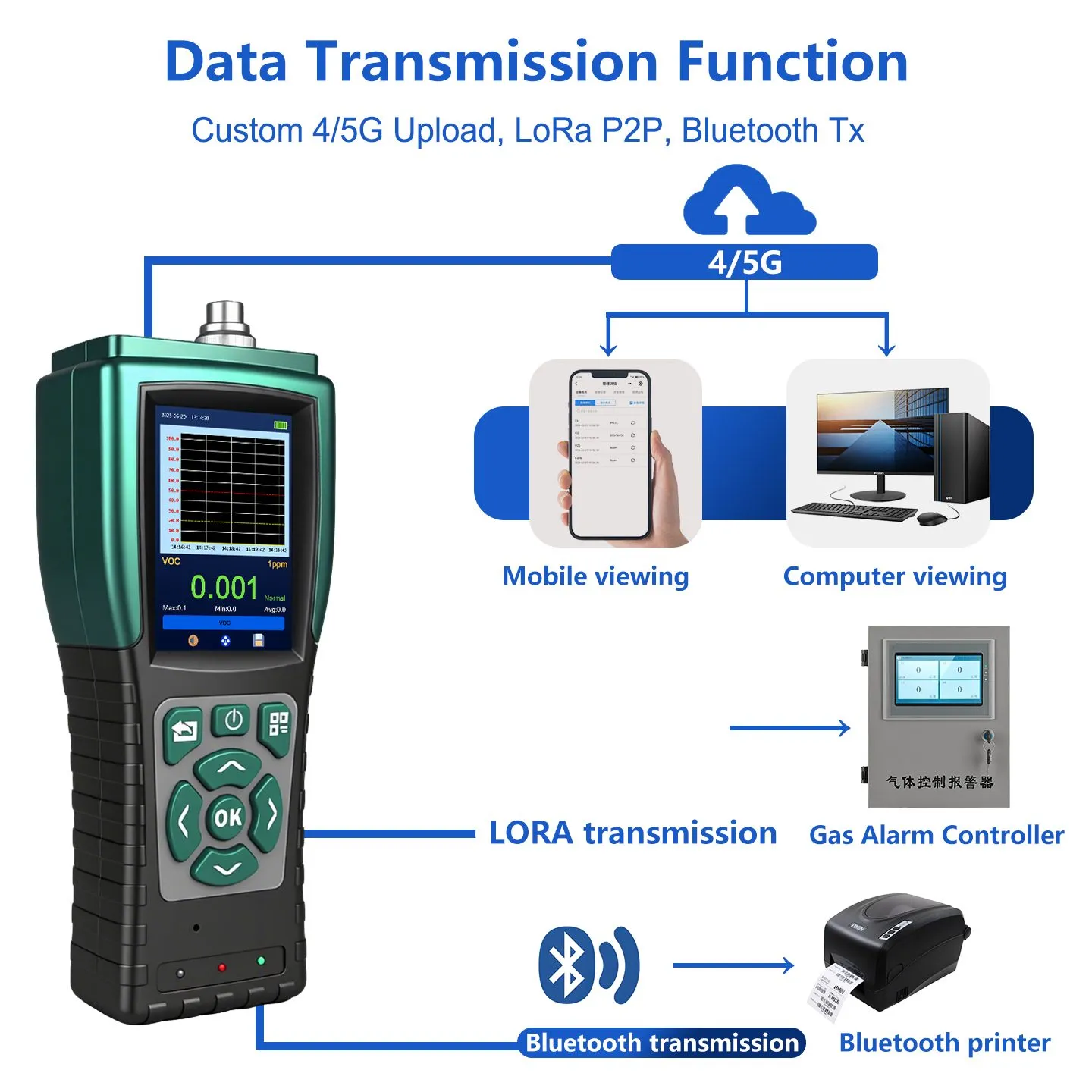
Data logging capabilities allow a portable hydrogen gas detector to record gas concentrations, alarm events, and other data over time. This is critical for compliance reporting, as it provides a record of safety checks and leak events. Look for a detector with a large data storage capacity (e.g., 10,000+ readings) and the ability to download data to a computer or mobile device (via USB, Bluetooth, or Wi-Fi). Some advanced models also offer real-time connectivity, allowing workers to send data to a central monitoring system—useful for managing multiple detectors across a large facility. Additionally, data logging can help identify potential leak patterns, allowing you to address underlying issues before they become serious.

Calibration Requirements

Like all gas detectors, portable hydrogen gas detectors require regular calibration to ensure accuracy. Calibration involves exposing the sensor to a known concentration of hydrogen gas and adjusting the detector’s readings to match the known concentration. The frequency of calibration depends on the sensor type, environment, and industry standards—most manufacturers recommend calibrating every 3–6 months. Some detectors offer automatic calibration, which simplifies the process and ensures consistency. Additionally, look for detectors with a calibration reminder feature, which alerts users when calibration is due. Regular calibration is essential for maintaining the detector’s accuracy and ensuring worker safety—an uncalibrated detector may provide false readings, leading to missed leaks or unnecessary evacuations.

Recommend a Portable Pump-Suction & Diffusion Integrated Hydrogen Gas Detector-HNAG920-H2

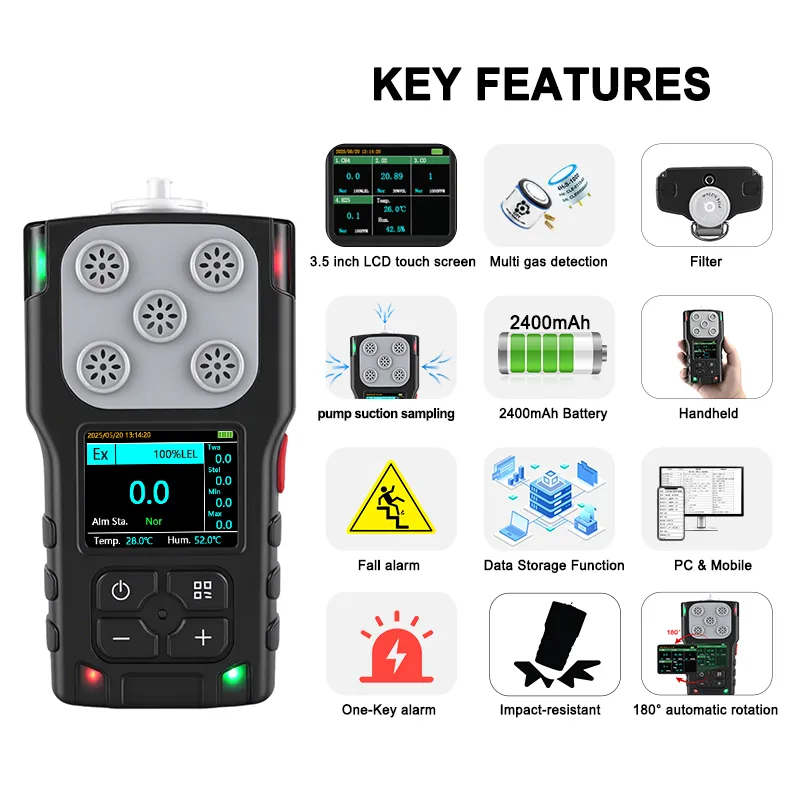
For hydrogen leakage detection, confined space inspection, pipeline testing and daily safety monitoring, a stable, portable and fast-response gas detector is essential. We recommend this portable pump-suction & diffusion integrated hydrogen gas detector, specially designed for hydrogen concentration measurement with a standard measuring range of 0-1000PPM (customizable on request).

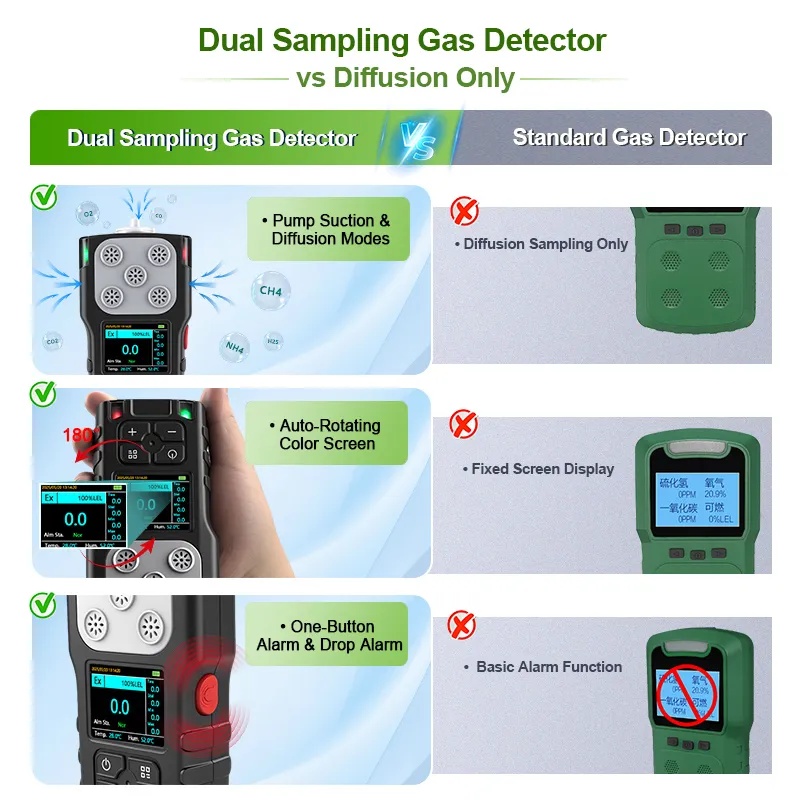
This instrument adopts an multi-in-1 dual-mode sampling structure, supporting both active pump suction for long-distance detection and diffusion mode for real-time on-site monitoring. Equipped with a high-precision sensor, it features a fast response time (T9010S) and high accuracy up to ±1%F.S., ensuring stable and reliable readings.

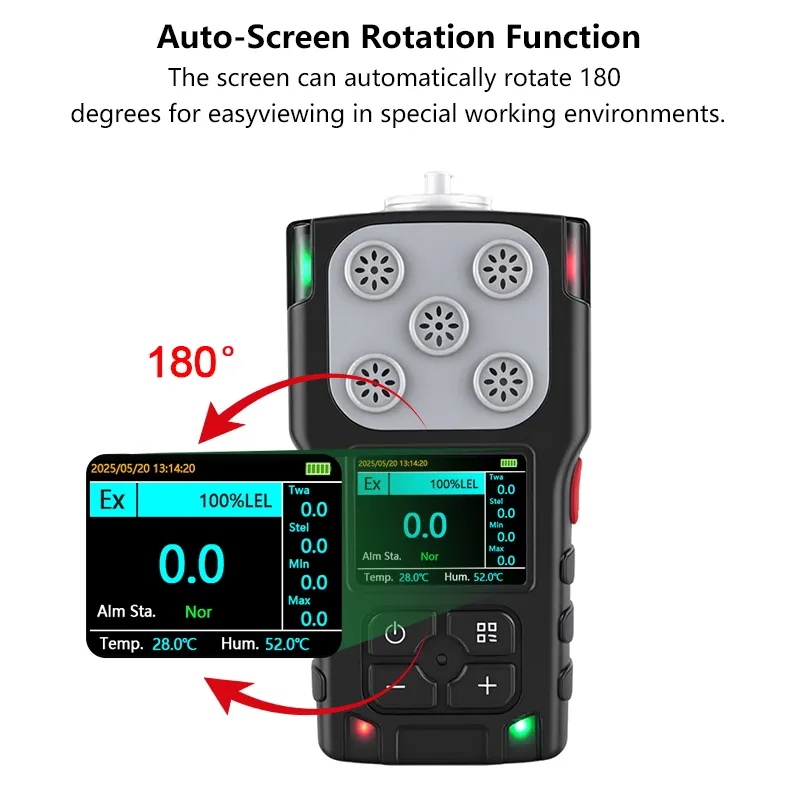
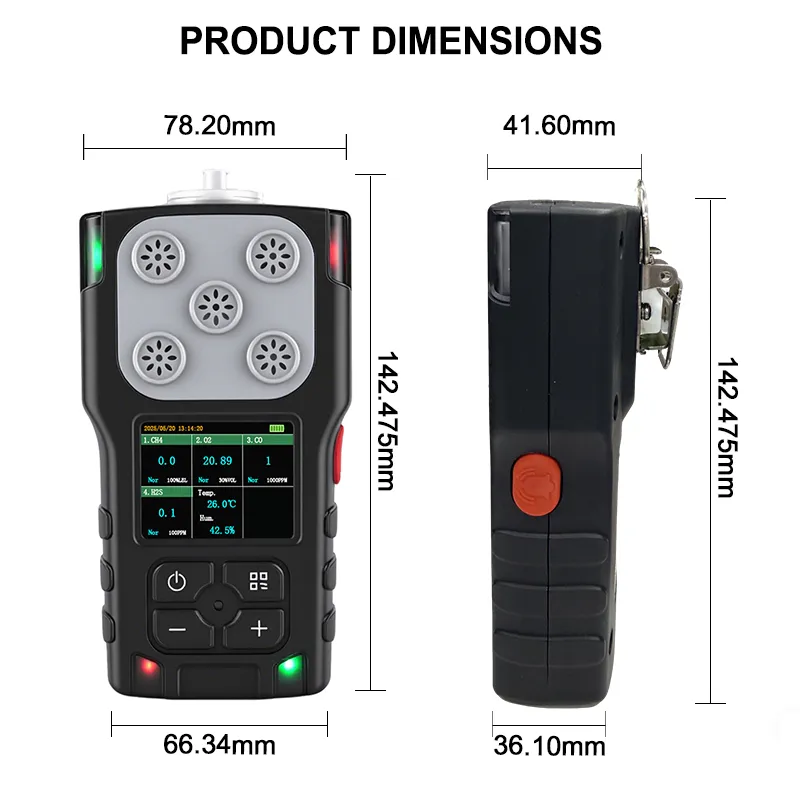
It comes with a 2.0-inch color LCD display, Chinese/English switchable interface, temperature and humidity compensation, dual-level alarms, one-key emergency alarm and fall alarm. The rugged PC+TPU casing is lightweight (about 380g), with IP65 protection and Ex ib IIC T4 Gb explosion-proof certification, suitable for harsh industrial environments such as hydrogen energy, petrochemical, laboratories and pipeline maintenance.

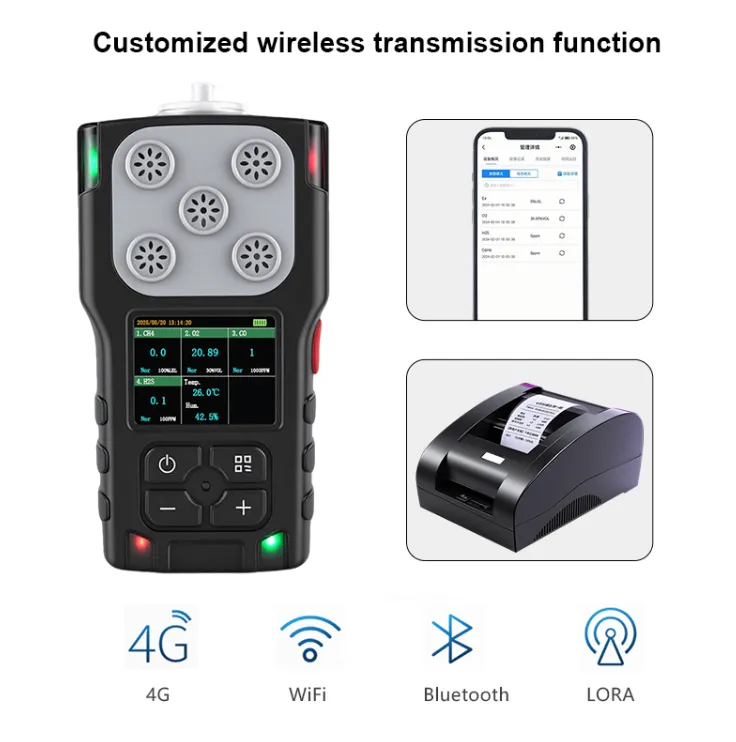
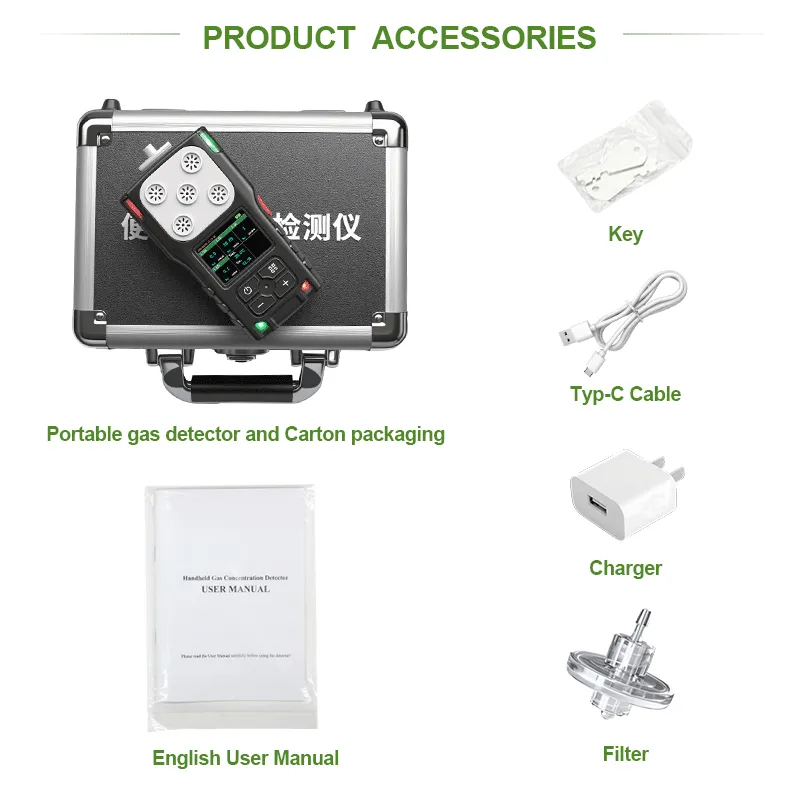
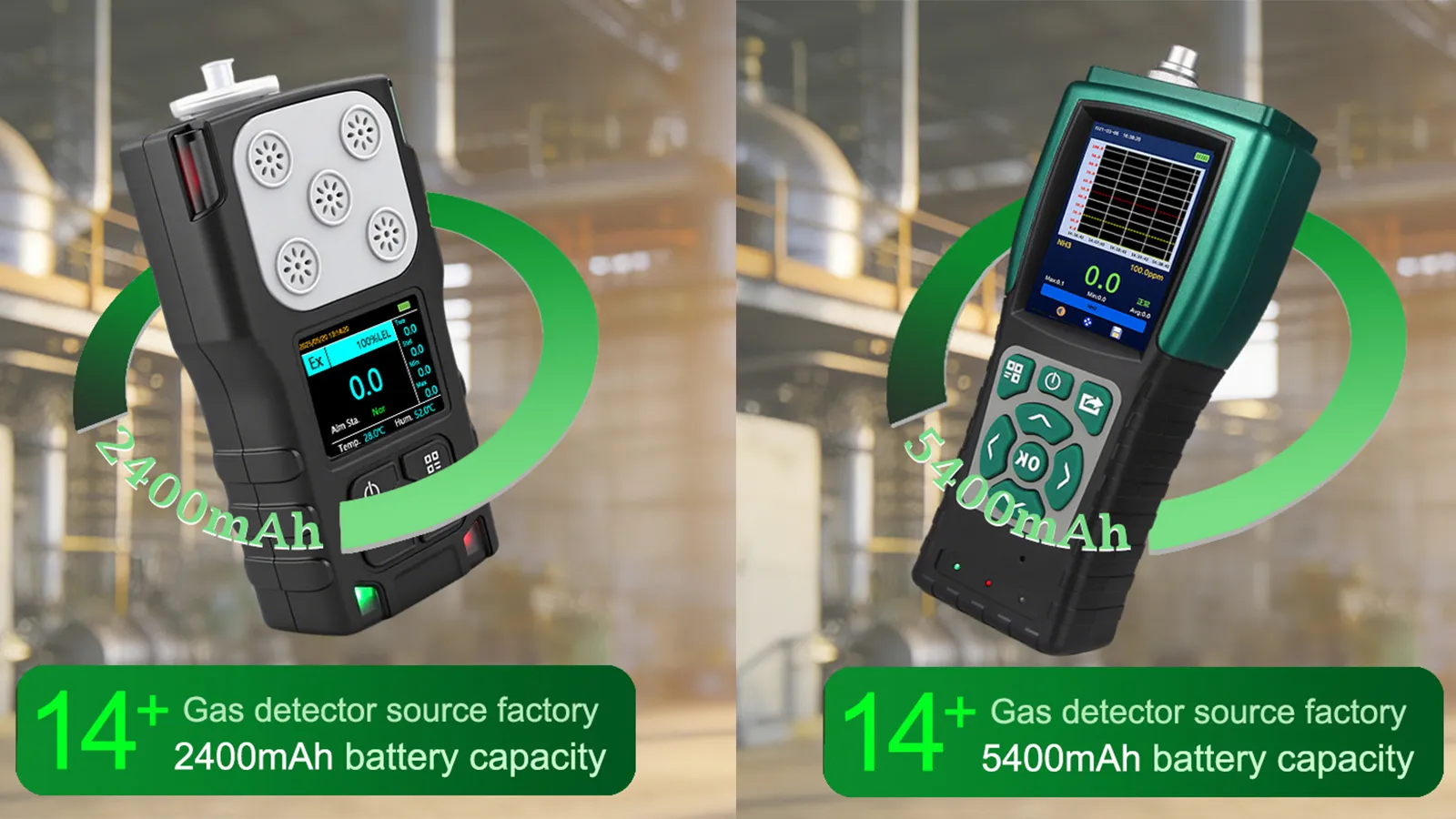
Powered by a built-in 2400mAh rechargeable lithium battery with Type-C charging, it can store up to 120,000 data records and 30,000 alarm records, supporting USB data export for traceability and management.
Portable H2 gas detector Handheld gas detector for H2
pump suction gas detector diffusion and pump suction portable H2 gas detector
Hydrogen gas detector ppm handheld Hydrogen gas analyzer portable


If you are looking for a portable, explosion-proof and dual-mode hydrogen detector with excellent accuracy and reliability, this all-in-one pump-suction & diffusion model is an ideal choice for daily inspection and emergency response.

Recommend a Portable Pump-Suction Hydrogen Gas Detector-HNAG900-H2

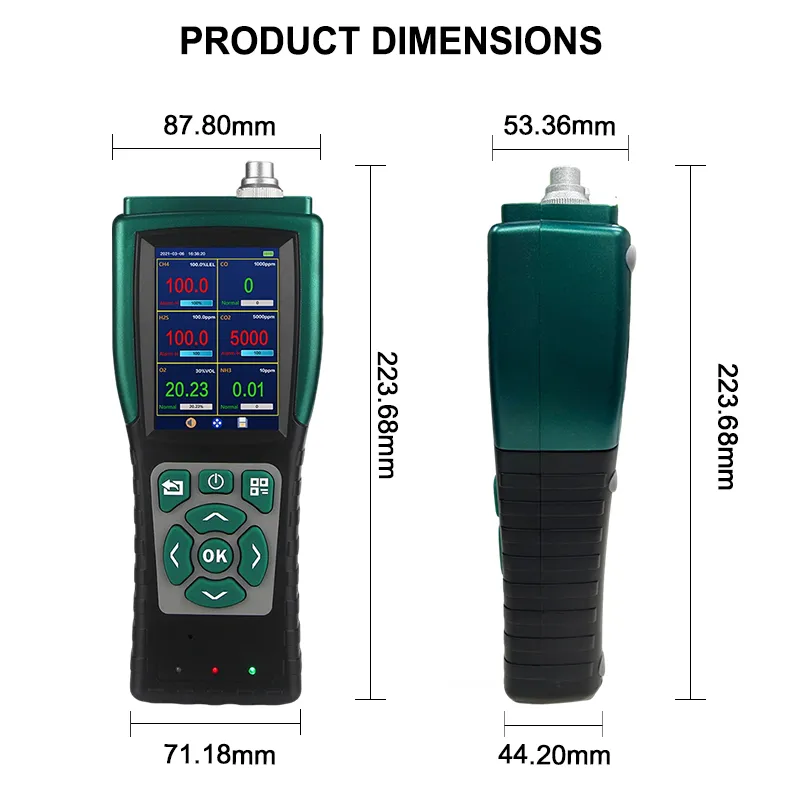
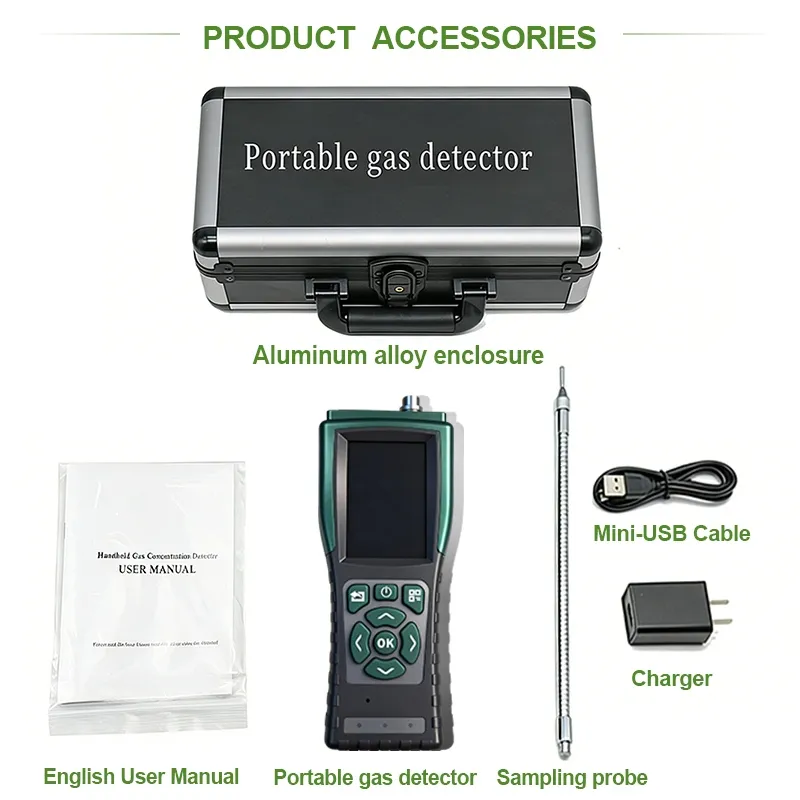
For safe and accurate hydrogen leakage monitoring, pipeline inspection, confined space detection, and industrial site safety control, we highly recommend this portable pump-suction hydrogen gas detector. It is specially calibrated for hydrogen detection with a standard measuring range of 0-1000PPM, and can be customized according to specific site requirements.

Built with an adjustable built-in pump, this detector supports active long-distance sampling, enabling fast and reliable measurement even in hard-to-reach areas. It delivers a fast response (T9010S) and high sampling accuracy, ensuring stable and consistent readings in real time.

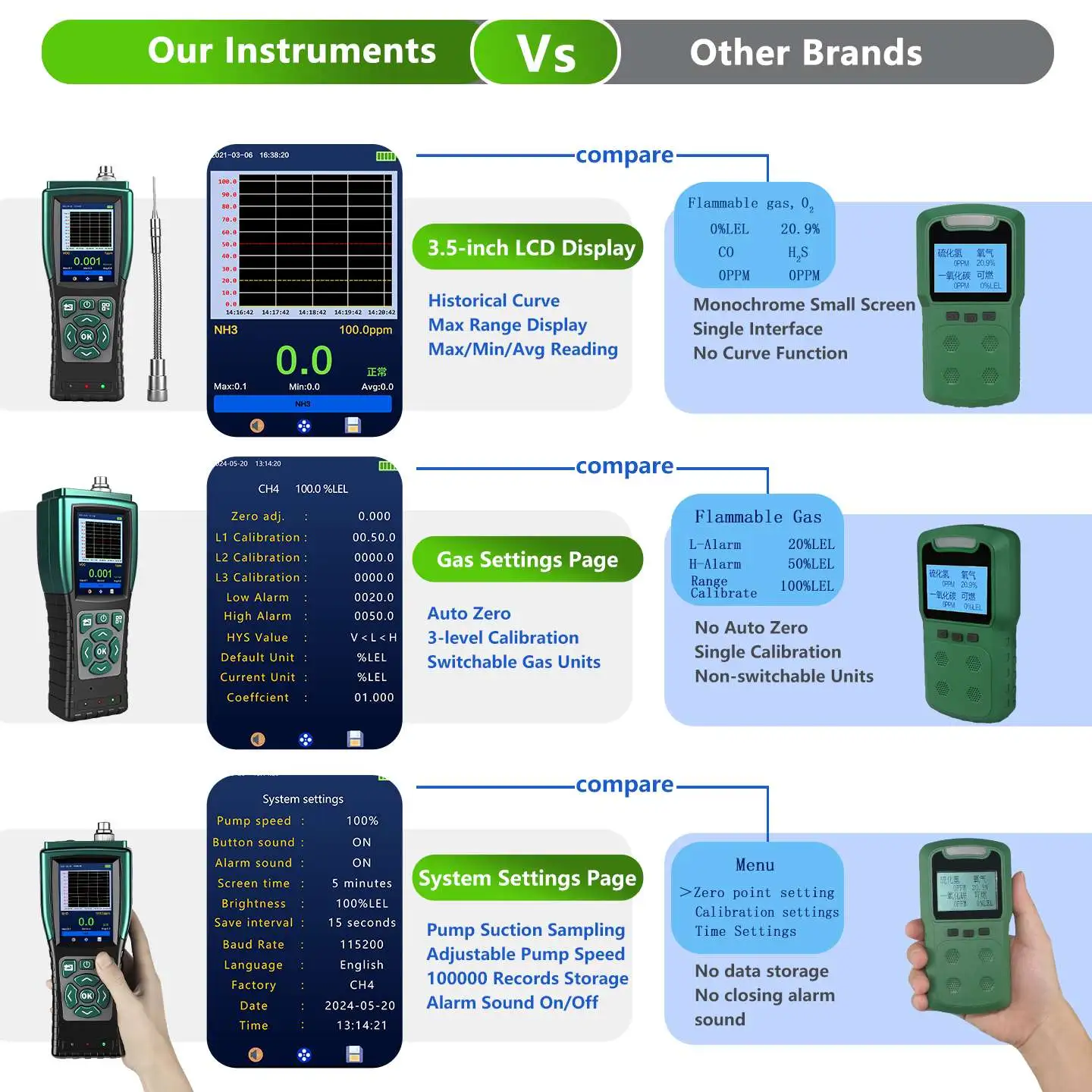
The instrument features a large 3.5-inch TFT color screen (480×320) for clear data display, real-time curve tracking, and intuitive alarm status indication. It supports dual-level high/low alarms, Chinese/English interface switching, adjustable unit conversion (ppm ↔ mg/m³), and flexible data recording settings.

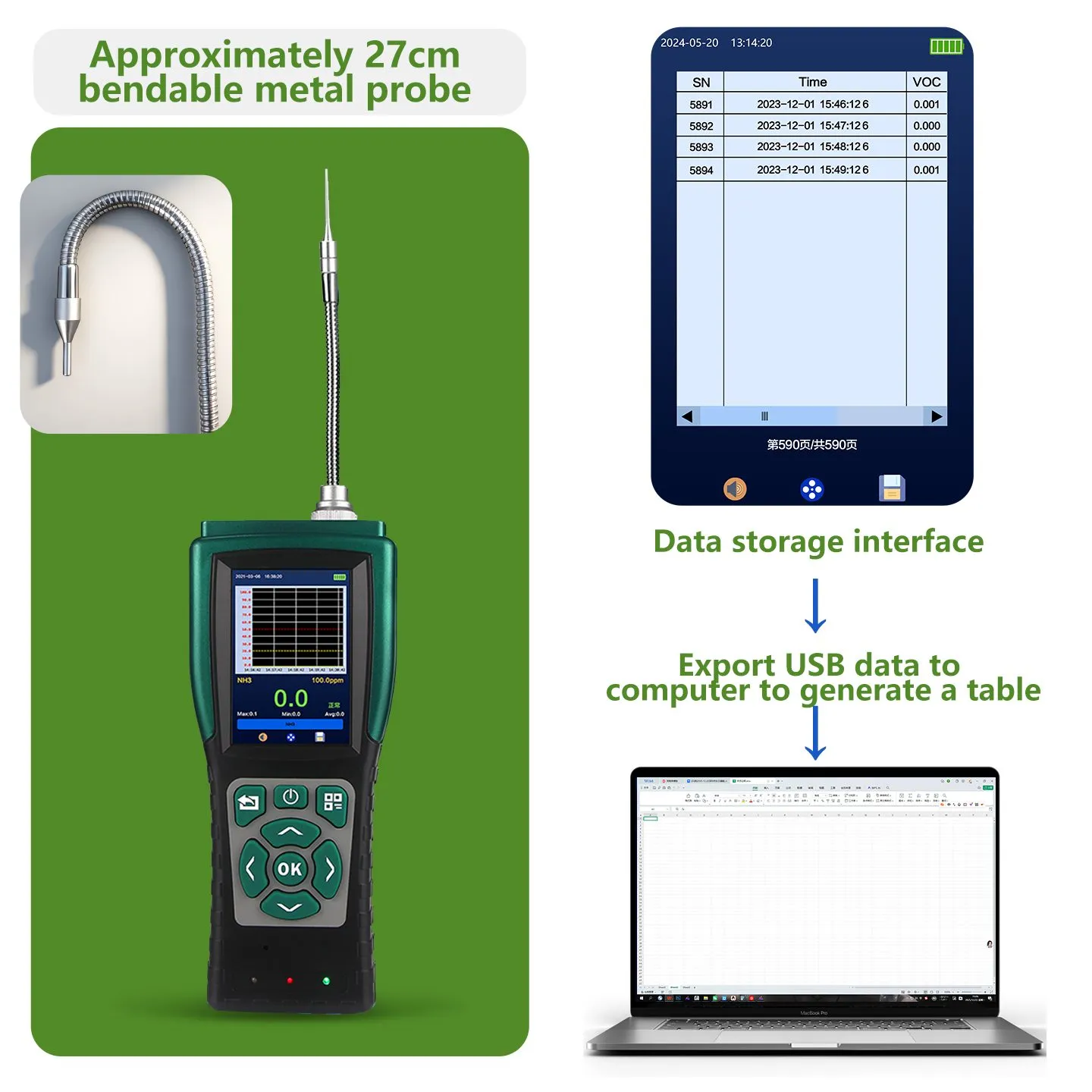
With a powerful 5400mAh built-in lithium battery, it supports long-duration field work. It can store up to 100,000 data records and 1,000 alarm records, with USB data export for traceability and management. The rugged housing offers IP65 protection and Ex ib IIC T4 Gb explosion-proof certification, making it suitable for petrochemical, hydrogen energy, mine, plant, and pipeline maintenance environments.
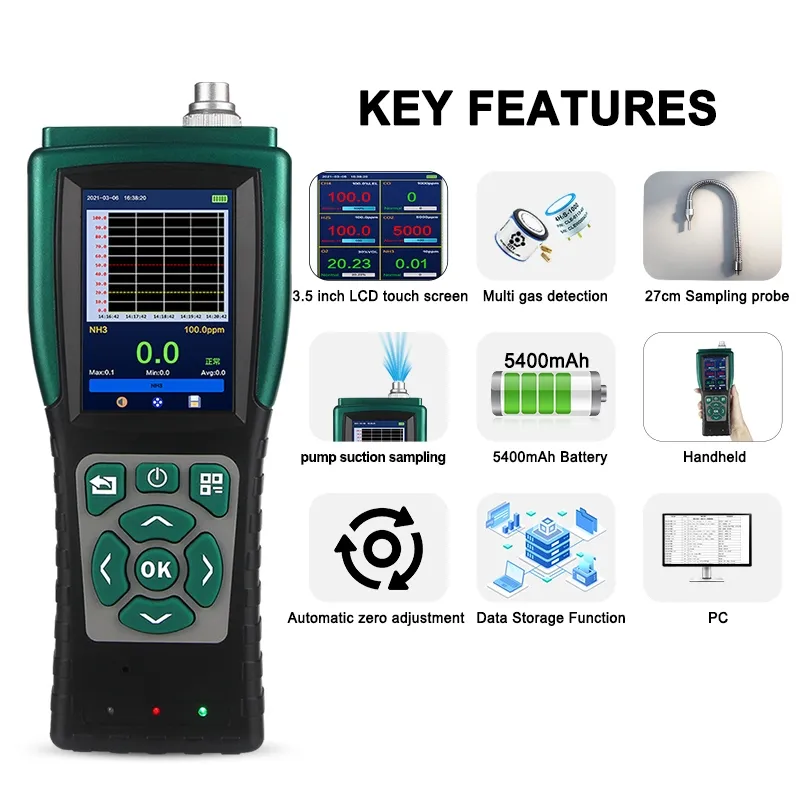
hydrogen gas detector h2 sensor
portable multi gas detector h2 gas leak detector
h2 gas detector 4 gas detector

If you need a heavy-duty, long-running, pump-suction gas detector for hydrogen safety monitoring, this model combines strong endurance, high precision, and industrial-grade reliability for daily inspection and emergency detection.

How to Use, Calibrate, and Maintain Your Portable Hydrogen Gas Detector

Even the best portable hydrogen gas detector will not be effective if it’s not used, calibrated, and maintained properly. Proper usage and maintenance ensure that the detector provides accurate readings, lasts longer, and keeps workers safe. Below is a step-by-step guide to using, calibrating, and maintaining your portable hydrogen gas detector.

Proper Usage

Before using your portable hydrogen gas detector, follow these steps to ensure it’s working properly:

 Check the battery life: Ensure the battery is fully charged or has enough power to last your shift. Most detectors have a low-battery alarm, but it’s best to check before use.

 Perform a self-test: Most detectors have a self-test function that checks the sensor, alarm, and display. Run the self-test before each use to ensure the detector is working correctly.

 Check the calibration status: Verify that the detector has been calibrated within the recommended timeframe (3–6 months). If calibration is due, calibrate the detector before use.

 Position the detector correctly: For diffusion detectors, wear the detector on your belt or chest, at breathing height (about 1.5–2 meters above the ground). For pump suction detectors, position the sampling probe in the area you want to test (e.g., the top of a confined space).

 Monitor the display: Keep an eye on the real-time gas concentration readings. If the concentration reaches the low alarm level, take immediate action (e.g., investigate the leak). If the high or critical alarm is triggered, evacuate the area immediately and contact the appropriate authorities.

Calibration

Calibration is essential for maintaining the accuracy of your portable hydrogen gas detector. Follow these steps to calibrate your detector:

 Gather the necessary equipment: You’ll need a calibration gas cylinder (with a known concentration of hydrogen), a calibration adapter, and a flow regulator.

 Turn on the detector and enter calibration mode: Most detectors have a calibration mode that can be accessed via the menu or a dedicated button.

 Connect the calibration adapter to the detector: Attach the adapter to the detector’s sensor inlet.

 Start the calibration gas flow: Set the flow rate to the manufacturer’s recommended level (typically 0.5–1 L/min) and allow the gas to flow into the detector.

 Wait for the detector to stabilize: The detector will display the calibration gas concentration. Once the reading stabilizes, the detector will automatically adjust its settings to match the known concentration.

 Complete the calibration: Once the calibration is complete, the detector will display a “calibration successful” message. Turn off the calibration gas flow and disconnect the adapter.

It’s important to use calibration gas that is within the detector’s measurement range and has a known concentration (e.g., 50% LEL for flammable calibration). Additionally, store calibration gas in a cool, dry place and replace the cylinder when it’s empty.

How to calibrate gases using the HNAG920 portable gas detector

Maintenance

Regular maintenance will extend the lifespan of your portable hydrogen gas detector and ensure it performs reliably. Here are some key maintenance tasks:

 Clean the detector: Wipe the detector with a clean, dry cloth to remove dust, dirt, and debris. For waterproof detectors, you can rinse them with water (if the IP rating allows) and dry thoroughly.

 Check the sensor: Inspect the sensor inlet for blockages (e.g., dust, oil). If the inlet is blocked, clean it with a soft brush or compressed air (be careful not to damage the sensor).

 Replace the sensor: Most electrochemical sensors have a lifespan of 2–5 years. Replace the sensor when it reaches the end of its lifespan or if the detector consistently provides inaccurate readings.

 Replace the battery: Rechargeable batteries have a lifespan of 2–3 years. Replace the battery when it no longer holds a charge or if the low-battery alarm is triggered frequently.

 Store the detector properly: When not in use, store the detector in a cool, dry place, away from direct sunlight, extreme temperatures, and flammable or toxic gases. Fully charge the battery before storing it for an extended period.

Common Mistakes to Avoid When Using a Portable Hydrogen Gas Detector

Even with the best equipment, human error can lead to safety risks. Below are some common mistakes to avoid when using a portable hydrogen gas detector:

Ignoring Low Alarm Levels

Many workers ignore low alarm levels, assuming that the leak is small and not a threat. However, low concentrations of hydrogen can quickly build up to flammable or explosive levels, especially in confined spaces. Always investigate low alarms immediately—check for leaks, ventilate the area, and take appropriate action to resolve the issue.

Using the Wrong Sensor Type

Using a catalytic combustion sensor in an oxygen-deficient environment (e.g., confined spaces) can result in false readings or no readings at all, as these sensors require oxygen to operate. Always use the correct sensor type for your environment—electrochemical or IR sensors are better for oxygen-deficient areas.

Not Calibrating the Detector Regularly

An uncalibrated detector may provide inaccurate readings, leading to missed leaks or unnecessary evacuations. Always calibrate your detector every 3–6 months, or more frequently if it’s used in harsh environments (e.g., dusty, humid, or high-temperature areas).

Incorrect Placement of the Detector

Hydrogen is lighter than air, so it accumulates in the upper areas of confined spaces and rooms. Placing a diffusion detector too low (e.g., on the waist) may result in missed leaks. Always position the detector at breathing height (1.5–2 meters above the ground) or use a pump suction detector to sample air from the top of confined spaces.

FAQ: Portable Hydrogen Gas Detector (2026)

Below are answers to the most common questions about portable hydrogen gas detectors, based on user queries and industry best practices. These questions cover everything from basic functionality to advanced features, helping you make informed decisions about your safety equipment.

1. What is a portable hydrogen gas detector?

A portable hydrogen gas detector is a handheld or wearable device designed to detect and measure the concentration of hydrogen gas in the air. It provides real-time readings and immediate alarm notifications to alert users to dangerous hydrogen concentrations, helping to prevent accidents and keep workers safe.

2. How does a portable hydrogen gas detector work?

Portable hydrogen gas detectors use a sensor (typically electrochemical, catalytic combustion, or IR) to detect hydrogen gas. The sensor converts hydrogen gas into an electrical signal, which is then converted into a digital reading displayed on the detector’s screen. When the gas concentration reaches a dangerous level, the detector triggers visual, auditory, and tactile alarms.

3. Do I need an ATEX-certified portable hydrogen gas detector?

Yes, if you work in an explosive environment (e.g., refineries, chemical plants, offshore platforms), you need an ATEX-certified portable hydrogen gas detector. ATEX certification ensures that the detector is safe to use in explosive atmospheres and has been tested to meet strict safety standards.

4. How often should I calibrate my portable hydrogen gas detector?

Most manufacturers recommend calibrating your portable hydrogen gas detector every 3–6 months. However, if the detector is used in harsh environments (e.g., dusty, humid, or high-temperature areas), you may need to calibrate it more frequently. Always follow the manufacturer’s recommendations for calibration.

5. How long does a portable hydrogen gas detector sensor last?

The lifespan of a portable hydrogen gas detector sensor depends on the sensor type and usage. Electrochemical sensors typically last 2–5 years, while catalytic combustion sensors last 1–3 years. IR sensors have a longer lifespan (5–7 years) but are more expensive.

6. Can a portable hydrogen gas detector detect other gases?

Some portable hydrogen gas detectors are designed to detect only hydrogen, while others are multi-gas detectors that can detect hydrogen plus other gases (e.g., oxygen, carbon monoxide, methane). If you need to detect multiple gases, look for a multi-gas detector with a hydrogen sensor.

7. What is the difference between a portable and fixed hydrogen gas detector?

Portable hydrogen gas detectors are lightweight, battery-powered, and designed for on-the-go use—ideal for workers who move between job sites or work in confined spaces. Fixed hydrogen gas detectors are permanently installed in specific locations and continuously monitor gas levels in a specific area—ideal for permanent facilities where hydrogen is used or stored regularly.

8. What level of hydrogen is dangerous?

Hydrogen is flammable at concentrations between 4% and 75% LEL (Lower Explosive Limit). Concentrations above 10% LEL are considered highly dangerous and can lead to explosive reactions. Additionally, low concentrations (ppm) of hydrogen can be toxic if inhaled over long periods, but this is less common in industrial settings.

Conclusion: Invest in Safety with the Right Portable Hydrogen Gas Detector

In 2026, as hydrogen becomes an increasingly important part of modern industries, the need for reliable portable hydrogen gas detectors has never been greater. A portable hydrogen gas detector is not just a piece of equipment—it’s an investment in worker safety, facility protection, and compliance. By choosing the right detector for your needs, using it properly, and maintaining it regularly, you can prevent hydrogen leaks from becoming catastrophic accidents.

When selecting a portable hydrogen gas detector, remember to consider your industry, application, measurement range, sensor type, certification. Whether you’re working in a refinery, fuel cell plant, laboratory, or confined space, there’s a portable hydrogen gas detector that’s right for you.

Don’t wait until a leak occurs to invest in safety. Choose a high-quality portable hydrogen gas detector today and ensure that your team has the tools they need to stay safe. For more information on portable hydrogen gas detectors, or to request a quote for the models highlighted in this guide, contact our team of safety experts—we’re here to help you make the right choice for your workplace.

[Click here to contact our selection consultants]. We offer a free, no-obligation consultation to help you assess your requirements and filter through the technical noise to find the perfect fit for your facility.

In 2026, the global hydrogen energy sector is experiencing unprecedented growth, with applications spanning industrial manufacturing, fuel cell technology, renewable energy storage, and transportation. As hydrogen becomes an increasingly integral part of modern industries, the risk of hydrogen leaks—along with their potentially catastrophic consequences—has never been higher. A portable hydrogen gas detector is no longer a “nice-to-have” piece of equipment; it is an essential safety tool that protects workers, facilities, and operations from the dangers of hydrogen exposure. Whether you’re operating a refinery, managing a fuel cell plant, conducting confined space work, or running a laboratory, understanding how to choose, use, and maintain a portable hydrogen gas detector can mean the difference between safety and disaster. This comprehensive guide covers everything you need to know about portable hydrogen gas detectors in 2026, including their working principles, key applications,Model selection, top models, maintenance tips, and answers to the most common questions—all optimized to help you make informed decisions and keep your workplace safe.

Hydrogen is a colorless, odorless, and highly flammable gas, making leaks nearly impossible to detect without specialized equipment. Even small concentrations of hydrogen in the air can pose significant risks: 4–75% by volume is flammable, and levels above 10% risk explosion. Additionally, hydrogen is lighter than air, meaning it accumulates in ceiling spaces, confined areas, and equipment enclosures—places where workers may not notice a leak until it’s too late. A reliable portable hydrogen gas detector provides real-time monitoring, immediate alarm notifications, and accurate data logging, empowering workers to respond quickly to leaks and prevent accidents. In this guide, we’ll break down everything you need to know to select the best portable hydrogen gas detector for your specific needs, ensuring compliance with industry safety standards and peace of mind for your team.

What Is a Portable Hydrogen Gas Detector?

A portable hydrogen gas detector is a handheld or wearable device designed to detect and measure the concentration of hydrogen (H2) gas in the air. Unlike fixed hydrogen gas detectors, which are permanently installed in specific locations, portable models are lightweight, battery-powered, and designed for on-the-go use—making them ideal for workers who move between job sites, conduct inspections, or work in confined spaces where fixed detectors may not be practical. The primary function of a portable hydrogen gas detector is to alert users to dangerous hydrogen concentrations through visual, auditory, and tactile (vibration) alarms, allowing for immediate evacuation or leak mitigation.

Most handheld hydrogen gas detectors are compact enough to fit in a pocket or clip to a belt, with a user-friendly interface that displays real-time gas concentrations, battery life, and alarm status. Some advanced models also offer data logging capabilities, allowing users to record and analyze gas levels over time—critical for compliance reporting and identifying potential leak patterns. While all portable hydrogen gas detectors serve the same core purpose, there are key differences in design, sensor technology, and features that make certain models better suited for specific industries and applications.

One of the most important distinctions to understand is the difference between a portable hydrogen gas detector and a fixed hydrogen gas detector. Fixed detectors are mounted in strategic locations (e.g., near hydrogen storage tanks, pipelines, or workstations) and continuously monitor gas levels in a specific area. They are ideal for permanent facilities where hydrogen is used or stored regularly. Portable detectors, on the other hand, are designed for mobility: they can be carried by workers into confined spaces, used during maintenance checks, or deployed to areas where fixed detectors are not installed. For many industries, a combination of fixed and portable hydrogen gas detectors provides the most comprehensive safety coverage.

When selecting a portable hydrogen gas detector, it’s important to consider the specific needs of your workplace. For example, a worker conducting confined space entry may need a compact, lightweight detector with a pump to draw air samples from hard-to-reach areas, while a refinery worker may require a rugged, waterproof model with ATEX certification for use in explosive environments. Understanding the basics of how portable hydrogen gas detectors work will help you make the right choice for your team.

How a Portable Hydrogen Gas Detector Works: Sensor Technology Explained

At the heart of every portable hydrogen gas detector is a sensor that detects and measures hydrogen gas concentrations. The type of sensor used directly impacts the detector’s accuracy, response time, lifespan, and suitability for different environments. In 2026, the most common sensor technologies used in portable hydrogen gas detectors are electrochemical sensorsthermal conductivity—each with its own advantages and limitations. Let’s break down how each sensor type works and when to use them.

Electrochemical sensors are the most widely used type in portable hydrogen gas detectors, and for good reason. They offer high accuracy, low power consumption, and a fast response time (typically 1–5 seconds), making them ideal for most industrial applications. Electrochemical sensors work by converting hydrogen gas into an electrical signal: when hydrogen molecules come into contact with the sensor’s electrode, a chemical reaction occurs, producing a current that is proportional to the gas concentration. This current is then converted into a digital reading that is displayed on the detector’s screen. Electrochemical sensors are specific to hydrogen, meaning they are less likely to be affected by other gases (interference), and they can detect both low (ppm) and high (LEL) concentrations of hydrogen—critical for safety in environments where both toxic and flammable levels are a concern.

Thermal conductivity sensors measure the change in thermal conductivity of air caused by the presence of hydrogen (which has a higher thermal conductivity than air). These sensors are simple and durable but have lower accuracy than electrochemical sensors and are more prone to interference from other gases.

When choosing a portable hydrogen gas detector, the sensor type is one of the most important factors to consider. For most general industrial applications, an electrochemical sensor is the best choice, as it offers the best balance of accuracy, response time, and versatility. Additionally, it’s important to consider the sensor’s lifespan (typically 2–5 years for electrochemical sensors) and calibration requirements, as these will impact the long-term cost and maintenance of the detector.

Top 10 Applications of Portable Hydrogen Gas Detectors in 2026

Hydrogen is used in a wide range of industries, and as its adoption grows, so does the need for reliable portable hydrogen gas detectors. In 2026, portable hydrogen gas detectors are used in nearly every sector where hydrogen is produced, stored, transported, or used—from industrial manufacturing to renewable energy. Below are the top 10 applications where a portable hydrogen gas detector is essential, along with key considerations for each industry.

Petroleum Refineries & Chemical Plants

Refineries and chemical plants are among the largest users of hydrogen, using it for hydrocracking (breaking down heavy hydrocarbons into lighter fuels), hydrotreating (removing impurities from fuels), and other chemical processes. Hydrogen leaks in these environments can be particularly dangerous due to the presence of other flammable and toxic gases, as well as high temperatures and pressure (API, 2025; NFPA 2). A portable hydrogen gas detector for refinery use must be rugged, waterproof, and ATEX certified to withstand explosive atmospheres.A portable hydrogen gas detector for refinery use must be rugged, waterproof, and ATEX certified to withstand explosive atmospheres. Additionally, refinery workers often need detectors with pump suction capabilities to sample gas from hard-to-reach areas (e.g., pipelines, storage tanks, and reactor vessels). The best portable hydrogen gas detector for refineries will offer high accuracy, fast response times, and long battery life to support extended shifts.

Hydrogen Production, Storage, & Transportation

As the demand for hydrogen grows, so does the need for safe production, storage, and transportation. Hydrogen production facilities (e.g., electrolyzers, steam methane reformers) generate large volumes of hydrogen, while storage facilities (e.g., high-pressure tanks, cryogenic storage) and transportation vehicles (e.g., pipelines, trucks, ships) carry hydrogen across long distances. Leaks can occur during production, storage, or transportation, making a portable hydrogen gas detector a critical safety tool. Workers in these industries need detectors that can measure both low (ppm) and high (LEL) hydrogen concentrations, as well as withstand extreme temperatures (e.g., cryogenic storage areas) and harsh conditions. Rechargeable portable hydrogen detectors are particularly useful here, as workers may be on-site for extended periods without access to power.

Fuel Cell Vehicles & Hydrogen Refueling Stations

Fuel cell vehicles (FCVs) are becoming an increasingly popular alternative to traditional gasoline and electric vehicles, with hydrogen refueling stations popping up around the world. Hydrogen refueling stations store and dispense high-pressure hydrogen, creating a risk of leaks during refueling or maintenance. A portable hydrogen gas detector for fuel cell applications must be compact, easy to use, and capable of detecting small leaks quickly. Additionally, workers at refueling stations may need detectors with wireless connectivity (e.g., Bluetooth) to send real-time data to a central monitoring system. Handheld hydrogen gas detectors are ideal here, as they can be carried by workers during refueling checks and maintenance tasks.

Confined Space Entry

Confined spaces (e.g., tanks, silos, manholes, tunnels) are among the most dangerous environments for hydrogen leaks. Because hydrogen is lighter than air, it accumulates in the upper areas of confined spaces, where it can reach flammable or explosive concentrations without being detected (NIPV). A portable hydrogen gas detector for confined space use is essential for worker safety, as it can be used to test the air before entry and monitor gas levels during work. These detectors should be equipped with a pump to draw air samples from the top of the confined space (where hydrogen accumulates) and offer multiple alarm levels (e.g., low, high, and critical) to alert workers to increasing gas concentrations. Additionally, confined space detectors should be lightweight and easy to carry, with a long battery life to support extended work periods.

Battery Rooms & Energy Storage Facilities

Battery rooms (e.g., in data centers, power plants, and electric vehicle facilities) often use lead-acid or lithium-ion batteries, which can produce hydrogen gas during charging. Hydrogen leaks in battery rooms can be dangerous, as the gas can accumulate in ceiling spaces and create an explosive atmosphere. A portable hydrogen gas detector for battery rooms should be able to detect low concentrations of hydrogen (ppm) to prevent leaks from reaching flammable levels. Additionally, these detectors should be waterproof and dust-proof (IP65 or higher) to withstand the harsh environment of battery rooms, which can be humid and dusty. Some models also offer data logging capabilities to track hydrogen levels over time, helping to identify potential issues with battery charging systems.

Power Transformers & Substations

Power transformers use oil as an insulator and coolant, but over time, the oil can degrade and produce hydrogen gas. Hydrogen leaks in transformers can indicate a fault (e.g., overheating, arcing), which can lead to equipment failure or even fires. A portable hydrogen gas detector is used by maintenance workers to test transformer oil and detect hydrogen leaks, helping to identify potential issues before they become serious. These detectors should be accurate and sensitive, as even small concentrations of hydrogen in transformer oil can indicate a problem. Additionally, they should be portable and easy to use, as maintenance workers often need to test multiple transformers across a substation.

Metal Processing & Annealing

Metal processing facilities (e.g., steel mills, aluminum plants) use hydrogen for annealing (heating and cooling metal to improve its properties) and other processes. Hydrogen leaks in these environments can be dangerous due to the high temperatures and presence of flammable materials. A portable hydrogen gas detector for metal processing should be rugged and able to withstand high temperatures (up to 100°C or higher) and harsh conditions (e.g., dust, debris). Additionally, these detectors should have a fast response time to quickly alert workers to leaks, as high temperatures can accelerate the spread of hydrogen gas.

Pharmaceutical & Food Processing

Pharmaceutical and food processing facilities use hydrogen for a variety of applications, including hydrogenation (converting unsaturated fats into saturated fats) and sterilization. Hydrogen leaks in these environments can contaminate products and pose a safety risk to workers. A portable hydrogen gas detector for pharmaceutical and food processing should be easy to clean and sanitize, as well as accurate and reliable. Additionally, these detectors should be compact and lightweight, as workers may need to carry them around production lines.

Laboratories & Research Facilities

Laboratories and research facilities use small amounts of hydrogen for experiments, gas chromatography, and other applications. While the volume of hydrogen used is smaller than in industrial settings, leaks can still pose a risk, especially in confined laboratory spaces. A portable hydrogen gas detector for laboratory use should be compact, quiet, and easy to use, with a high level of accuracy. Additionally, these detectors should be battery-powered and rechargeable, as laboratories may not have easy access to power outlets. Some models also offer data logging capabilities to track hydrogen levels during experiments, which is useful for research and compliance purposes.

Marine & Offshore Platforms

Marine and offshore platforms (e.g., oil rigs, cargo ships) use hydrogen for a variety of applications, including fuel cells for power generation and as a feedstock for chemical processes. The marine environment is harsh, with high humidity, saltwater, and extreme temperatures, making a rugged, waterproof portable hydrogen gas detector essential. These detectors should be ATEX certified for use in explosive atmospheres and able to withstand saltwater corrosion. Additionally, they should have a long battery life to support extended shifts on offshore platforms, where access to power is limited.

Buying Guide: How to Choose the Best Portable Hydrogen Gas Detector in 2026

With so many portable hydrogen gas detectors on the market in 2026, choosing the right one for your needs can be overwhelming. The best portable hydrogen gas detector for your workplace will depend on a variety of factors, including your industry, application, budget, and safety requirements. Below is a comprehensive buying guide to help you make an informed decision, covering the key features and criteria to consider when selecting a portable hydrogen gas detector.

Measurement Range

The measurement range of a portable hydrogen gas detector refers to the minimum and maximum concentrations of hydrogen it can detect. For most industrial applications, you’ll need a detector that can measure both low (ppm) and high (LEL) concentrations of hydrogen. The flammable range of hydrogen is 4% to 75% LEL (Lower Explosive Limit), so a detector with a range of 0–100% LEL is essential for detecting flammable levels. Additionally, some applications (e.g., battery rooms, laboratories) require detecting low ppm concentrations (0–2000 ppm) to prevent leaks from reaching flammable levels. When choosing a detector, make sure its measurement range matches your specific needs—using a detector with a range that’s too narrow may result in missed leaks, while a range that’s too wide may reduce accuracy at low concentrations.

Sensor Type

As discussed earlier, the sensor type is a critical factor in the performance of a portable hydrogen gas detector. Electrochemical sensors are the most versatile and are recommended for most applications, as they offer high accuracy, fast response times, and the ability to detect both ppm and LEL concentrations. Catalytic combustion sensors are a good choice for applications where only flammable levels need to be monitored (e.g., refineries, hydrogen storage facilities), but they require oxygen to operate and are prone to interference from other flammable gases. IR sensors are ideal for oxygen-deficient environments (e.g., confined spaces) but are more expensive and bulkier. Consider your environment and the type of hydrogen concentrations you need to detect when choosing a sensor type.

Certification (ATEX, IECEx, CSA)

In explosive environments (e.g., refineries, chemical plants, offshore platforms), a portable hydrogen gas detector must be certified to meet international safety standards. The most common certifications are ATEX (European Union), IECEx (International Electrotechnical Commission), and CSA (Canadian Standards Association). These certifications ensure that the detector is safe to use in explosive atmospheres and has been tested to meet strict performance standards. When choosing a detector, make sure it has the appropriate certification for your region and industry—using an uncertified detector in an explosive environment can result in safety violations and accidents. Additionally, look for detectors with intrinsic safety (IS) certification, which means they are designed to prevent sparks that could ignite flammable gases.

Alarm System

The alarm system of a portable hydrogen gas detector is critical for worker safety, as it alerts users to dangerous hydrogen concentrations. A good detector should offer three types of alarms: visual (a bright LED light), auditory (a loud buzzer, typically 85 dB or higher), and tactile (vibration). This ensures that workers can hear, see, and feel the alarm even in noisy or low-light environments. Additionally, the detector should have adjustable alarm levels (e.g., low, high, and critical) to match your specific safety requirements. Some advanced models also offer alarm silence and latching features—alarm silence allows workers to temporarily silence the alarm while addressing the leak, while latching ensures the alarm remains active until the gas concentration returns to a safe level.

Battery Life & Power Source

Portable hydrogen gas detectors are battery-powered, so battery life is an important consideration—especially for workers who are on-site for extended shifts or in areas without access to power. Most detectors use rechargeable lithium-ion batteries, which offer a longer lifespan and faster charging times than disposable batteries. Look for a detector with a battery life of at least 12 hours (ideally 24 hours) to support a full workday. Additionally, consider the charging time—some models can be fully charged in 2–3 hours, while others may take longer. Some detectors also offer a low-battery alarm to alert users when the battery is running low, preventing unexpected shutdowns.

Protection Rating (IP Rating)

The IP (Ingress Protection) rating of a portable hydrogen gas detector indicates its resistance to dust and water. For industrial environments (e.g., refineries, construction sites), a detector with a high IP rating (IP65 or higher) is essential. IP65 means the detector is dust-tight and protected against low-pressure water jets, while IP67 means it is dust-tight and can be submerged in water up to 1 meter for 30 minutes. A higher IP rating ensures that the detector can withstand harsh conditions, including dust, debris, water, and extreme temperatures. Additionally, look for detectors with a rugged design (e.g., rubberized casing) to protect against drops and impacts—workers in industrial settings often drop equipment, so a durable detector is essential.

Pump vs. Diffusion

Portable hydrogen gas detectors are available in two types: diffusion and pump suction. Diffusion detectors draw air into the sensor through natural diffusion (i.e., the movement of gas molecules from high to low concentration). They are simple, lightweight, and cost-effective, making them ideal for general use. Pump suction detectors, on the other hand, use a pump to draw air samples from a specific location (e.g., confined spaces, hard-to-reach areas). They are essential for confined space entry, as they can sample air from the top of the space (where hydrogen accumulates) without requiring workers to enter the space first. When choosing between pump and diffusion, consider your application: diffusion is suitable for most general use, while pump suction is necessary for confined spaces and areas where gas may be trapped.

Data Logging & Connectivity

Data logging capabilities allow a portable hydrogen gas detector to record gas concentrations, alarm events, and other data over time. This is critical for compliance reporting, as it provides a record of safety checks and leak events. Look for a detector with a large data storage capacity (e.g., 10,000+ readings) and the ability to download data to a computer or mobile device (via USB, Bluetooth, or Wi-Fi). Some advanced models also offer real-time connectivity, allowing workers to send data to a central monitoring system—useful for managing multiple detectors across a large facility. Additionally, data logging can help identify potential leak patterns, allowing you to address underlying issues before they become serious.

Calibration Requirements

Like all gas detectors, portable hydrogen gas detectors require regular calibration to ensure accuracy. Calibration involves exposing the sensor to a known concentration of hydrogen gas and adjusting the detector’s readings to match the known concentration. The frequency of calibration depends on the sensor type, environment, and industry standards—most manufacturers recommend calibrating every 3–6 months. Some detectors offer automatic calibration, which simplifies the process and ensures consistency. Additionally, look for detectors with a calibration reminder feature, which alerts users when calibration is due. Regular calibration is essential for maintaining the detector’s accuracy and ensuring worker safety—an uncalibrated detector may provide false readings, leading to missed leaks or unnecessary evacuations.

Recommend a Portable Pump-Suction & Diffusion Integrated Hydrogen Gas Detector-HNAG920-H2

For hydrogen leakage detection, confined space inspection, pipeline testing and daily safety monitoring, a stable, portable and fast-response gas detector is essential. We recommend this portable pump-suction & diffusion integrated hydrogen gas detector, specially designed for hydrogen concentration measurement with a standard measuring range of 0-1000PPM (customizable on request).

This instrument adopts an multi-in-1 dual-mode sampling structure, supporting both active pump suction for long-distance detection and diffusion mode for real-time on-site monitoring. Equipped with a high-precision sensor, it features a fast response time (T9010S) and high accuracy up to ±1%F.S., ensuring stable and reliable readings.

It comes with a 2.0-inch color LCD display, Chinese/English switchable interface, temperature and humidity compensation, dual-level alarms, one-key emergency alarm and fall alarm. The rugged PC+TPU casing is lightweight (about 380g), with IP65 protection and Ex ib IIC T4 Gb explosion-proof certification, suitable for harsh industrial environments such as hydrogen energy, petrochemical, laboratories and pipeline maintenance.

Powered by a built-in 2400mAh rechargeable lithium battery with Type-C charging, it can store up to 120,000 data records and 30,000 alarm records, supporting USB data export for traceability and management.

Portable H2 gas detector Handheld gas detector for H2
pump suction gas detector diffusion and pump suction portable H2 gas detector
Hydrogen gas detector ppm handheld Hydrogen gas analyzer portable


If you are looking for a portable, explosion-proof and dual-mode hydrogen detector with excellent accuracy and reliability, this all-in-one pump-suction & diffusion model is an ideal choice for daily inspection and emergency response.

Recommend a Portable Pump-Suction Hydrogen Gas Detector-HNAG900-H2

For safe and accurate hydrogen leakage monitoring, pipeline inspection, confined space detection, and industrial site safety control, we highly recommend this portable pump-suction hydrogen gas detector. It is specially calibrated for hydrogen detection with a standard measuring range of 0-1000PPM, and can be customized according to specific site requirements.

Built with an adjustable built-in pump, this detector supports active long-distance sampling, enabling fast and reliable measurement even in hard-to-reach areas. It delivers a fast response (T9010S) and high sampling accuracy, ensuring stable and consistent readings in real time.

The instrument features a large 3.5-inch TFT color screen (480×320) for clear data display, real-time curve tracking, and intuitive alarm status indication. It supports dual-level high/low alarms, Chinese/English interface switching, adjustable unit conversion (ppm ↔ mg/m³), and flexible data recording settings.

With a powerful 5400mAh built-in lithium battery, it supports long-duration field work. It can store up to 100,000 data records and 1,000 alarm records, with USB data export for traceability and management. The rugged housing offers IP65 protection and Ex ib IIC T4 Gb explosion-proof certification, making it suitable for petrochemical, hydrogen energy, mine, plant, and pipeline maintenance environments.

hydrogen gas detector h2 sensor
portable multi gas detector h2 gas leak detector
h2 gas detector 4 gas detector

If you need a heavy-duty, long-running, pump-suction gas detector for hydrogen safety monitoring, this model combines strong endurance, high precision, and industrial-grade reliability for daily inspection and emergency detection.

How to Use, Calibrate, and Maintain Your Portable Hydrogen Gas Detector

Even the best portable hydrogen gas detector will not be effective if it’s not used, calibrated, and maintained properly. Proper usage and maintenance ensure that the detector provides accurate readings, lasts longer, and keeps workers safe. Below is a step-by-step guide to using, calibrating, and maintaining your portable hydrogen gas detector.

Proper Usage

Before using your portable hydrogen gas detector, follow these steps to ensure it’s working properly:

 Check the battery life: Ensure the battery is fully charged or has enough power to last your shift. Most detectors have a low-battery alarm, but it’s best to check before use.

 Perform a self-test: Most detectors have a self-test function that checks the sensor, alarm, and display. Run the self-test before each use to ensure the detector is working correctly.

 Check the calibration status: Verify that the detector has been calibrated within the recommended timeframe (3–6 months). If calibration is due, calibrate the detector before use.

 Position the detector correctly: For diffusion detectors, wear the detector on your belt or chest, at breathing height (about 1.5–2 meters above the ground). For pump suction detectors, position the sampling probe in the area you want to test (e.g., the top of a confined space).

 Monitor the display: Keep an eye on the real-time gas concentration readings. If the concentration reaches the low alarm level, take immediate action (e.g., investigate the leak). If the high or critical alarm is triggered, evacuate the area immediately and contact the appropriate authorities.

Calibration

Calibration is essential for maintaining the accuracy of your portable hydrogen gas detector. Follow these steps to calibrate your detector:

 Gather the necessary equipment: You’ll need a calibration gas cylinder (with a known concentration of hydrogen), a calibration adapter, and a flow regulator.

 Turn on the detector and enter calibration mode: Most detectors have a calibration mode that can be accessed via the menu or a dedicated button.

 Connect the calibration adapter to the detector: Attach the adapter to the detector’s sensor inlet.

 Start the calibration gas flow: Set the flow rate to the manufacturer’s recommended level (typically 0.5–1 L/min) and allow the gas to flow into the detector.

 Wait for the detector to stabilize: The detector will display the calibration gas concentration. Once the reading stabilizes, the detector will automatically adjust its settings to match the known concentration.

 Complete the calibration: Once the calibration is complete, the detector will display a “calibration successful” message. Turn off the calibration gas flow and disconnect the adapter.

It’s important to use calibration gas that is within the detector’s measurement range and has a known concentration (e.g., 50% LEL for flammable calibration). Additionally, store calibration gas in a cool, dry place and replace the cylinder when it’s empty.

How to calibrate gases using the HNAG920 portable gas detector

Maintenance

Regular maintenance will extend the lifespan of your portable hydrogen gas detector and ensure it performs reliably. Here are some key maintenance tasks:

 Clean the detector: Wipe the detector with a clean, dry cloth to remove dust, dirt, and debris. For waterproof detectors, you can rinse them with water (if the IP rating allows) and dry thoroughly.

 Check the sensor: Inspect the sensor inlet for blockages (e.g., dust, oil). If the inlet is blocked, clean it with a soft brush or compressed air (be careful not to damage the sensor).

 Replace the sensor: Most electrochemical sensors have a lifespan of 2–5 years. Replace the sensor when it reaches the end of its lifespan or if the detector consistently provides inaccurate readings.

 Replace the battery: Rechargeable batteries have a lifespan of 2–3 years. Replace the battery when it no longer holds a charge or if the low-battery alarm is triggered frequently.

 Store the detector properly: When not in use, store the detector in a cool, dry place, away from direct sunlight, extreme temperatures, and flammable or toxic gases. Fully charge the battery before storing it for an extended period.

Common Mistakes to Avoid When Using a Portable Hydrogen Gas Detector

Even with the best equipment, human error can lead to safety risks. Below are some common mistakes to avoid when using a portable hydrogen gas detector:

Ignoring Low Alarm Levels

Many workers ignore low alarm levels, assuming that the leak is small and not a threat. However, low concentrations of hydrogen can quickly build up to flammable or explosive levels, especially in confined spaces. Always investigate low alarms immediately—check for leaks, ventilate the area, and take appropriate action to resolve the issue.

Using the Wrong Sensor Type

Using a catalytic combustion sensor in an oxygen-deficient environment (e.g., confined spaces) can result in false readings or no readings at all, as these sensors require oxygen to operate. Always use the correct sensor type for your environment—electrochemical or IR sensors are better for oxygen-deficient areas.

Not Calibrating the Detector Regularly

An uncalibrated detector may provide inaccurate readings, leading to missed leaks or unnecessary evacuations. Always calibrate your detector every 3–6 months, or more frequently if it’s used in harsh environments (e.g., dusty, humid, or high-temperature areas).

Incorrect Placement of the Detector

Hydrogen is lighter than air, so it accumulates in the upper areas of confined spaces and rooms. Placing a diffusion detector too low (e.g., on the waist) may result in missed leaks. Always position the detector at breathing height (1.5–2 meters above the ground) or use a pump suction detector to sample air from the top of confined spaces.

FAQ: Portable Hydrogen Gas Detector (2026)

Below are answers to the most common questions about portable hydrogen gas detectors, based on user queries and industry best practices. These questions cover everything from basic functionality to advanced features, helping you make informed decisions about your safety equipment.

1. What is a portable hydrogen gas detector?

A portable hydrogen gas detector is a handheld or wearable device designed to detect and measure the concentration of hydrogen gas in the air. It provides real-time readings and immediate alarm notifications to alert users to dangerous hydrogen concentrations, helping to prevent accidents and keep workers safe.

2. How does a portable hydrogen gas detector work?

Portable hydrogen gas detectors use a sensor (typically electrochemical, catalytic combustion, or IR) to detect hydrogen gas. The sensor converts hydrogen gas into an electrical signal, which is then converted into a digital reading displayed on the detector’s screen. When the gas concentration reaches a dangerous level, the detector triggers visual, auditory, and tactile alarms.

3. Do I need an ATEX-certified portable hydrogen gas detector?

Yes, if you work in an explosive environment (e.g., refineries, chemical plants, offshore platforms), you need an ATEX-certified portable hydrogen gas detector. ATEX certification ensures that the detector is safe to use in explosive atmospheres and has been tested to meet strict safety standards.

4. How often should I calibrate my portable hydrogen gas detector?

Most manufacturers recommend calibrating your portable hydrogen gas detector every 3–6 months. However, if the detector is used in harsh environments (e.g., dusty, humid, or high-temperature areas), you may need to calibrate it more frequently. Always follow the manufacturer’s recommendations for calibration.

5. How long does a portable hydrogen gas detector sensor last?

The lifespan of a portable hydrogen gas detector sensor depends on the sensor type and usage. Electrochemical sensors typically last 2–5 years, while catalytic combustion sensors last 1–3 years. IR sensors have a longer lifespan (5–7 years) but are more expensive.

6. Can a portable hydrogen gas detector detect other gases?

Some portable hydrogen gas detectors are designed to detect only hydrogen, while others are multi-gas detectors that can detect hydrogen plus other gases (e.g., oxygen, carbon monoxide, methane). If you need to detect multiple gases, look for a multi-gas detector with a hydrogen sensor.

7. What is the difference between a portable and fixed hydrogen gas detector?

Portable hydrogen gas detectors are lightweight, battery-powered, and designed for on-the-go use—ideal for workers who move between job sites or work in confined spaces. Fixed hydrogen gas detectors are permanently installed in specific locations and continuously monitor gas levels in a specific area—ideal for permanent facilities where hydrogen is used or stored regularly.

8. What level of hydrogen is dangerous?

Hydrogen is flammable at concentrations between 4% and 75% LEL (Lower Explosive Limit). Concentrations above 10% LEL are considered highly dangerous and can lead to explosive reactions. Additionally, low concentrations (ppm) of hydrogen can be toxic if inhaled over long periods, but this is less common in industrial settings.

Conclusion: Invest in Safety with the Right Portable Hydrogen Gas Detector

In 2026, as hydrogen becomes an increasingly important part of modern industries, the need for reliable portable hydrogen gas detectors has never been greater. A portable hydrogen gas detector is not just a piece of equipment—it’s an investment in worker safety, facility protection, and compliance. By choosing the right detector for your needs, using it properly, and maintaining it regularly, you can prevent hydrogen leaks from becoming catastrophic accidents.

When selecting a portable hydrogen gas detector, remember to consider your industry, application, measurement range, sensor type, certification. Whether you’re working in a refinery, fuel cell plant, laboratory, or confined space, there’s a portable hydrogen gas detector that’s right for you.

Don’t wait until a leak occurs to invest in safety. Choose a high-quality portable hydrogen gas detector today and ensure that your team has the tools they need to stay safe. For more information on portable hydrogen gas detectors, or to request a quote for the models highlighted in this guide, contact our team of safety experts—we’re here to help you make the right choice for your workplace.

[Click here to contact our selection consultants]. We offer a free, no-obligation consultation to help you assess your requirements and filter through the technical noise to find the perfect fit for your facility.

Previous: No more data
Related News