

Intrinsically Safe Carbon Monoxide Detector with Explosion Proof
Detection gas:CO,Carbon monoxide
Range:0-1000ppm/0-5000ppm/custom
Detection Principle:Electrochemistry
Resolution:1ppm
Detection Accuracy:±2%F.S
Model:HNAG1000




Product Description
Highlights at a glance
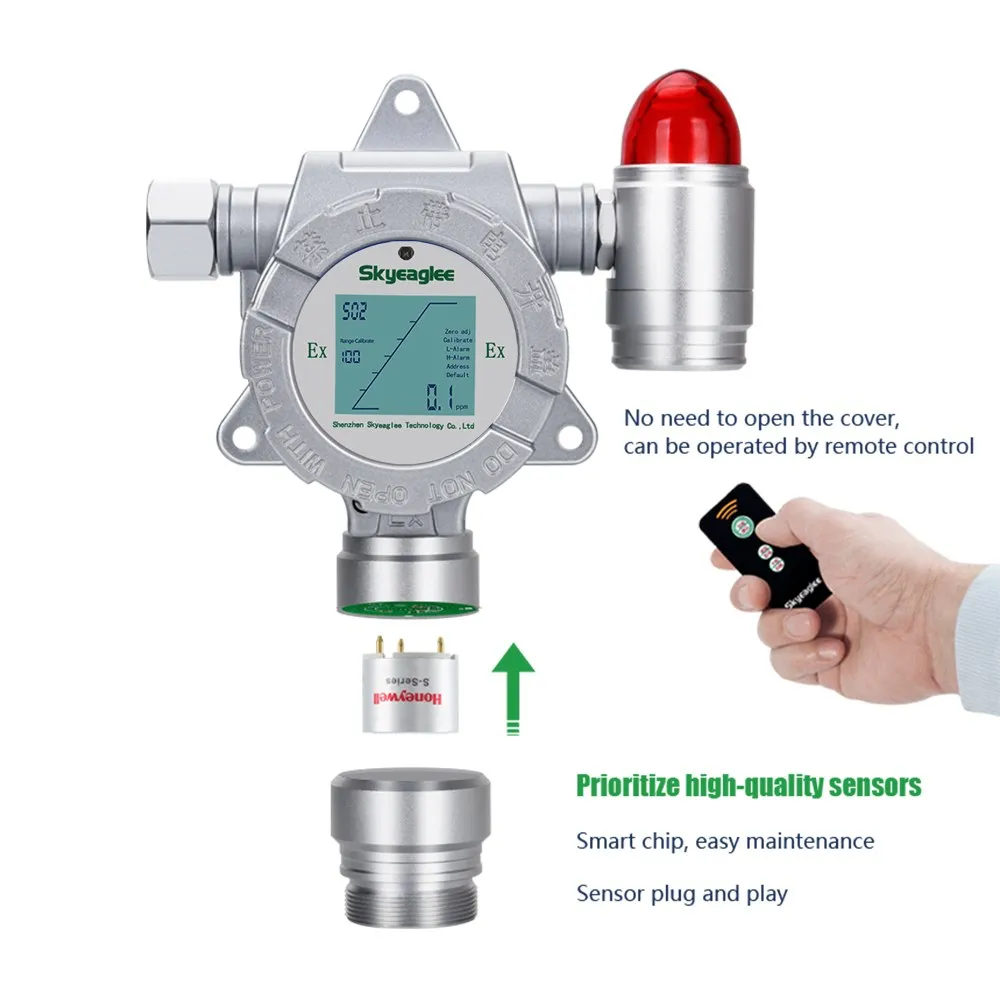
Carbon Monoxide Sensor: High sensitivity electrochemical carbon monoxide sensor made of corrosion resistant materials, designed for gas detection system integration.
Stable Signal Transmission: Standard RS485 bus output, compatible with various PLC and DCS systems, ensuring stable and reliable data communication.
Sensor Specifications: Detection range 0-100 ppm, response time ≤30s, working temperature -10℃~+50℃, automatic zero point tracking to prevent drift.
System Integration Scenarios: Suitable for integration into industrial gas monitoring systems, environmental protection monitoring equipment and intelligent building control systems.
Industrial Supply Support: Bulk wholesale available, technical parameters customization, providing integration guidance and 1-year product warranty.
Online Gas Detector Parameter Table
|
Signal Output |
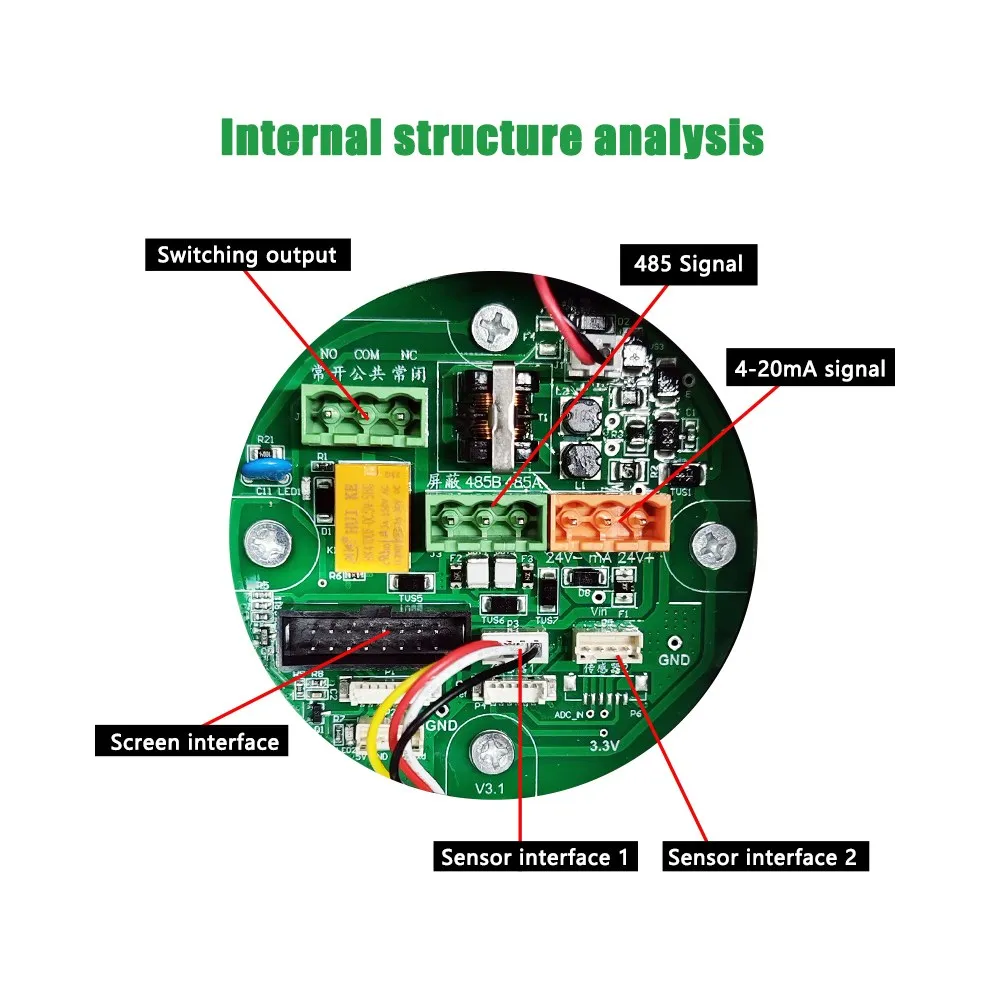
①4-20mA signal: standard 12-bit precision 4-20mA output chip, transmission distance 1Km |
||||
|
②RS485 signal: using standard MODBUS RTU protocol, transmission distance 1Km |
|||||
|
③Voltage signal: 0.4-2V, 0-5V, 0-10V output, optional (choose one of voltage output or current output) |
|||||
|
④Switching signal: Standard configuration is 1 set of passive contact relay, capacity 220VAC3AV/24VDC3A |
|||||
|
Measured Gas |
O2/Custom |
Testing Principle |
IR / PID/custom |
Precision |
±2%F.S |
|
Range |
0-100%VOL/Custom |
Resolution |
0.1%VOL/Custom |
Working Temp |
-20 ~ 50℃ |
|
Humidity |
0-95%RH |
Response Time |
T90<10S |
Storage Temp |
-20 ~ 50℃ |
|
Warm-up Time |
10S |
Working Pressure |
86kpa-106kpa |
Working Current |
≤50mA |
|
Working Voltage |
DC5V±1%/DC24±1% |
Baud Rate |
9600 |
Size |
220*205*97 |
|
Installation |
Wall-mounted, pipe... |
Warranty |
1year |
Service Life |
3-5years |
|
IP Grade |
IP66 |
Explosion-proof |
E x d I IC T 6 / EX ATEX |
||
|
Receiving Equipment |
pc, control alarm, PLC, DCS, DDC system |
||||
|
Alarm Code |
On-site sound and light alarm, external alarm, remote controller alarm, computer data collection software alarm, etc. |
||||
|
Alarm Setting |
Two-level alarm is standard, three-level alarm is optional; alarm mode can be set: regular high and low alarm, interval control alarm |
||||
|
Connecting Cables |
① For 4~20mA, choose a three-core shielded cable, and for RS485, choose a four-core cable. When the distance exceeds 1000 meters (with a detector), the single wire diameter is ≥ 1.5mm, and the shielding layer is connected to the earth. |
||||
|
②Wireless transmission: LORA and Zigbeg modules can be built-in for short-range wireless transmission; GPRS/4G modules can be externally used to transmit remote data to the cloud platform, and historical records can be viewed on computers and mobile phones without distance restrictions (optional) |
|||||
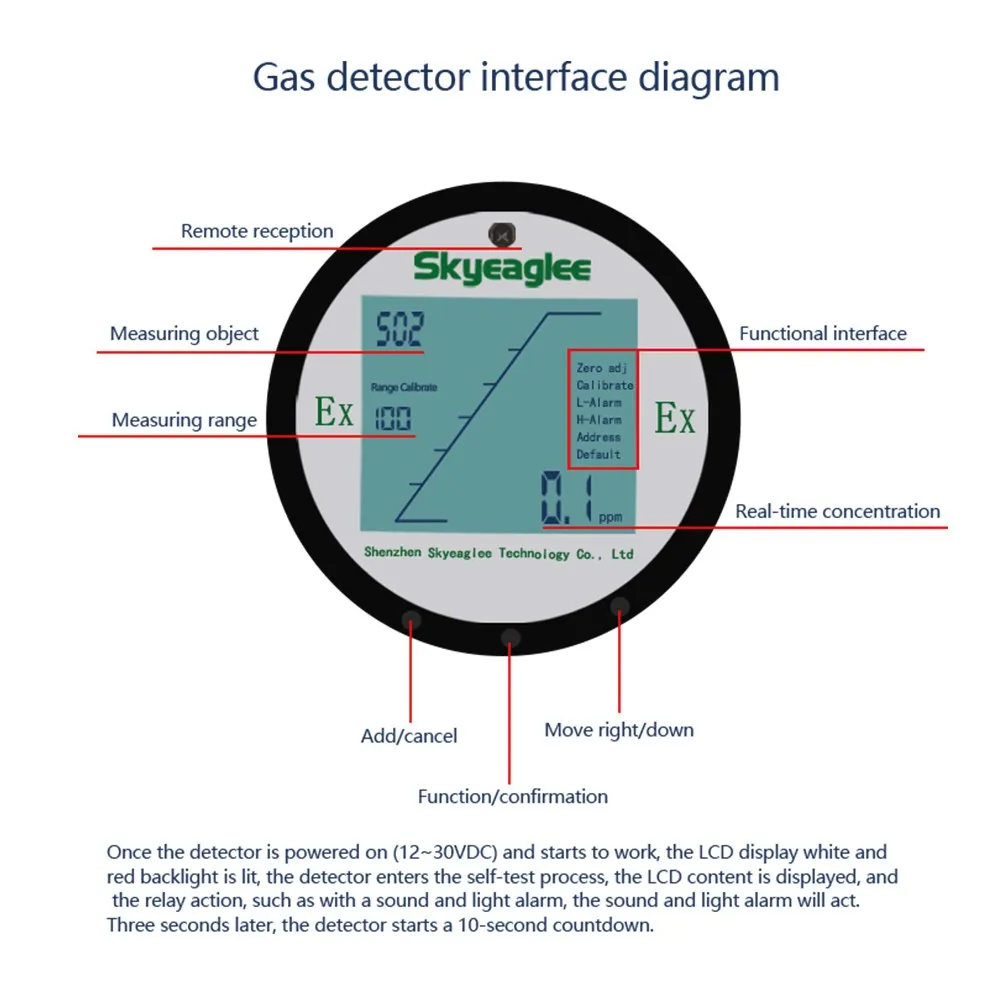
| Interface Display | Internal diagram of the detector | Sensor |
 |
 |
 |
FAQ:
Q1: How should the detection points be selected for installation location and height?
A: This is key to ensuring effective monitoring. General principles are:
Close to Leak Sources: Within 1-3 meters of potential leak sources such as valves, flanges, compressors, etc.
Consider Gas Properties: Carbon monoxide density is slightly lower than air. It is recommended to install at breathing zone height, i.e., 1.5-1.8 meters from the ground or platform.
Follow Airflow Direction: Install on the path where gas is likely to diffuse and accumulate. Avoid positions directly impacted by strong airflow such as vents or fans.
Cover Critical Areas: Entrances to control rooms where personnel are frequently stationed, inspection walkways, and equipment room doorways.
We can provide professional layout design suggestions based on your site floor plan and risk assessment.
Q2: How are the alarm values set? What are the standards?
A: Typically, a two-level alarm system is used:
Primary Alarm (Low Alarm): Set at 500 ppm. This is the action threshold, indicating a leak or abnormal concentration increase, requiring ventilation and inspection.
Secondary Alarm (High Alarm): Set at 800 ppm. This is the danger threshold, meaning a clear hazard exists, requiring immediate activation of emergency procedures and evacuation of non-essential personnel.
Alarm values can be set freely.
Q3: What output signals are available? How can they be connected to our existing control system?
A: Standard equipment provides a 4-20mA analog signal (corresponding to gas concentration) and relay alarm switch signals (dry contact). It also supports the RS485 Modbus RTU digital communication protocol. These can be easily connected to your PLC, DCS, GDS (Gas Detection System), or SCADA software for centralized monitoring, data logging, and historical querying.
C. Operation, Calibration & Maintenance
Q4: How often does the instrument need calibration? Is the calibration process complicated?
A: To ensure measurement accuracy, we recommend:
Regular Calibration: Perform calibration every 6 to 12 months.
After Shock or Repair: If the instrument is exposed to high gas concentrations or undergoes repair, it should be calibrated immediately.
The calibration process is relatively simple: using a standard gas of known concentration (e.g., 500ppm CO) and a calibration adapter, after introducing the gas, follow the prompts on the instrument interface or via a handheld calibrator to perform "zero" and "span" calibration.
Q5: What daily maintenance work is required?
A: Daily maintenance is very simple:
Visual Inspection: Monthly check for physical integrity of the instrument, clarity of the display, and ensure the air inlet is not blocked.
Functional Test: Monthly use of a test shroud and standard test gas (or a test pen with calibration gas) to perform an alarm function test, verifying normal response.
Cleaning: Regularly clean the exterior with a damp cloth, ensuring the sensor filter membrane is not covered by dust or oil.
Product Recommendation
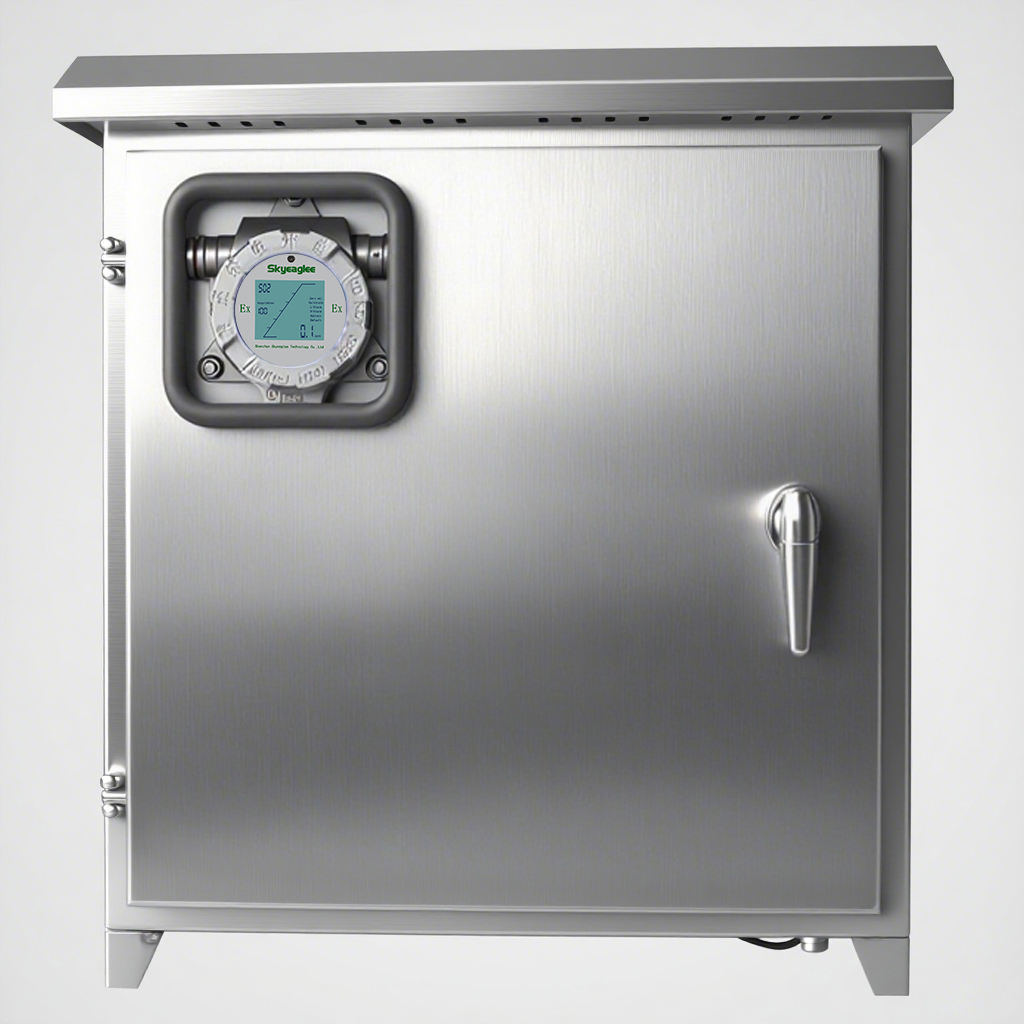
Fixed H2S Preprocessing Online Monitoring System-Fixed H2S Preprocessing Online Monitoring System
The HNAG1000-H2S Preprocessing Online Monitoring System delivers real-time hydrogen sulfide detection. Featuring an advanced electrochemical sensor and a rugged stainless steel enclosure, it ensures rapid response and safety in harsh environments.
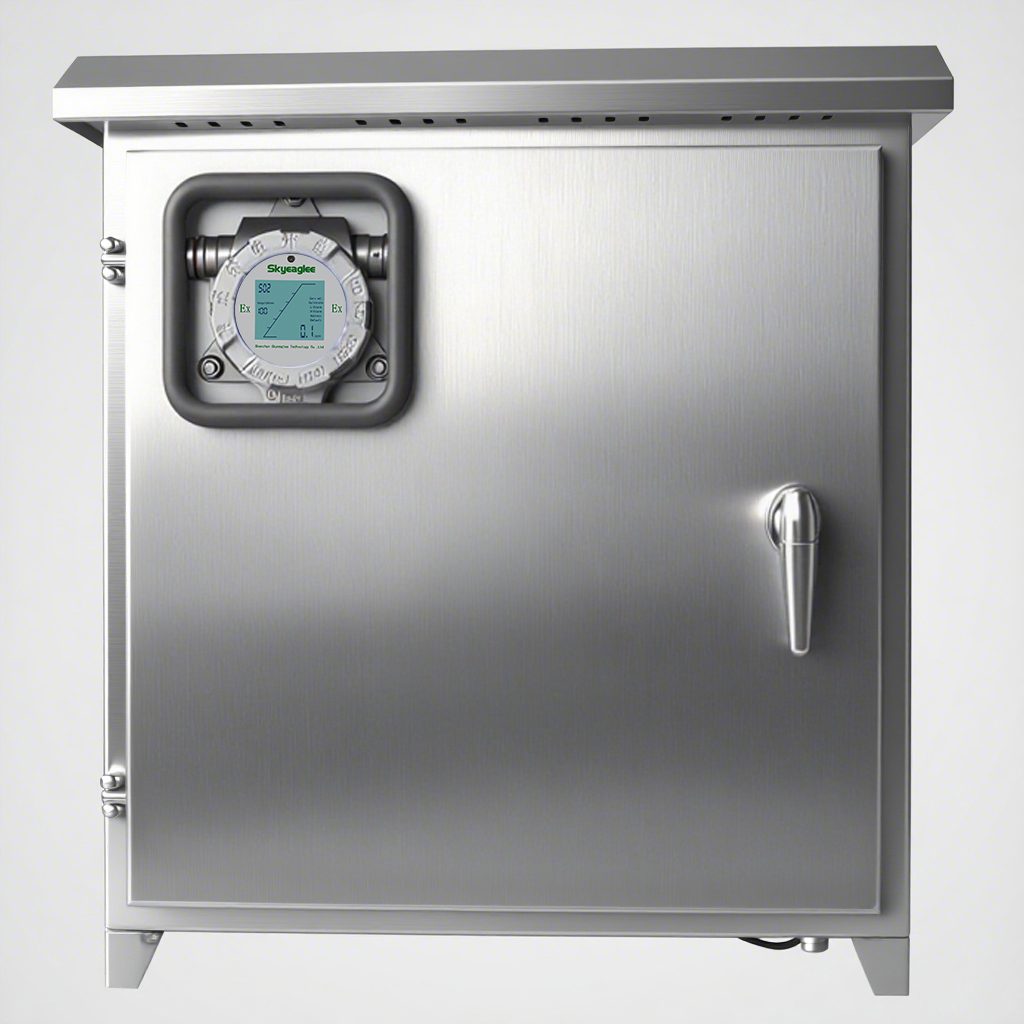
Fixed CFC Gas Preprocessing Online Monitoring System-Fixed CFC Gas Preprocessing Online Monitoring System
The HNAG1000-CFC Preprocessing Online Monitoring System offers continuous, real-time CFC gas detection. Utilizing NDIR and catalytic combustion sensors within a rugged stainless steel enclosure, it ensures high accuracy and safety in harsh environments.
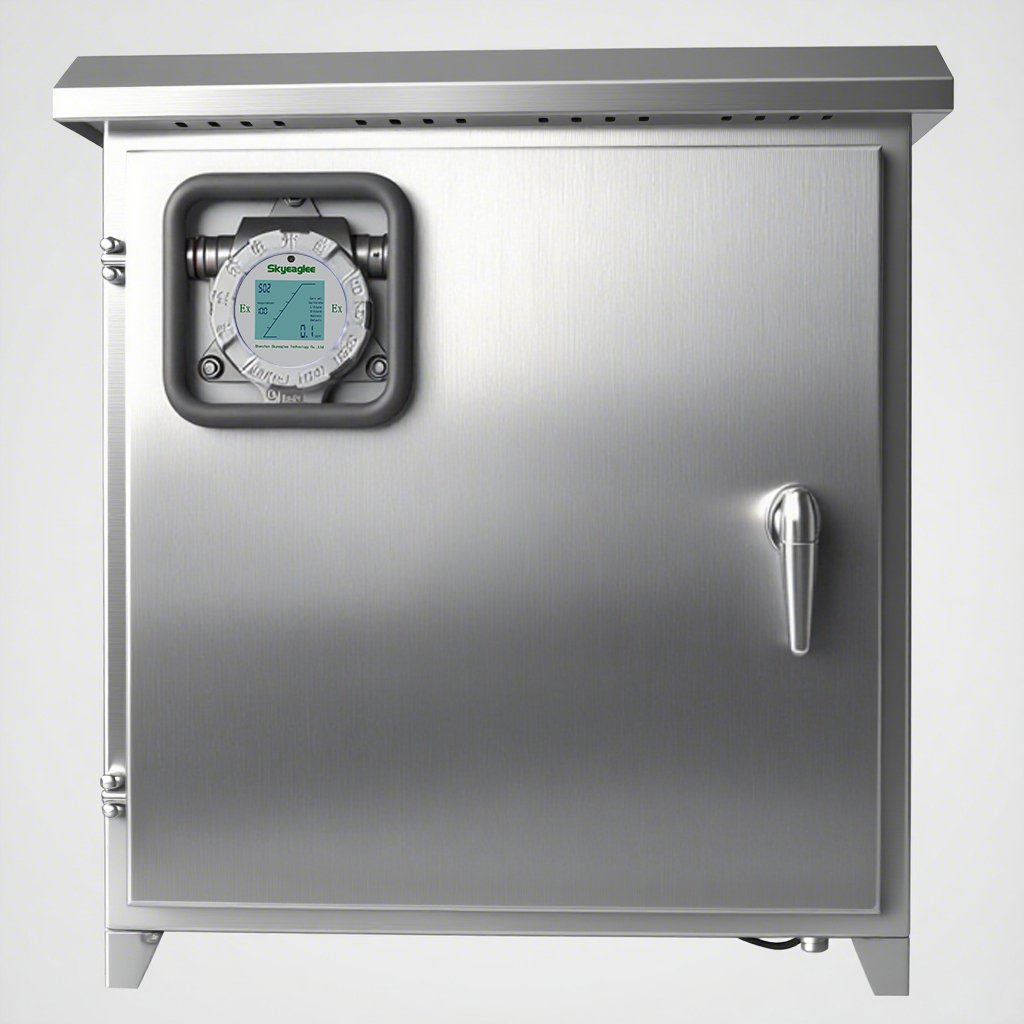
Fixed CO Preprocessing Online Monitoring System-Fixed CO Preprocessing Online Monitoring System
HNAG1000 Fixed CO Preprocessing Monitoring System provides continuous carbon monoxide detection in harsh areas. Built with advanced NDIR sensors and a rugged stainless steel enclosure, it guarantees rapid response, high accuracy, and industrial safety.
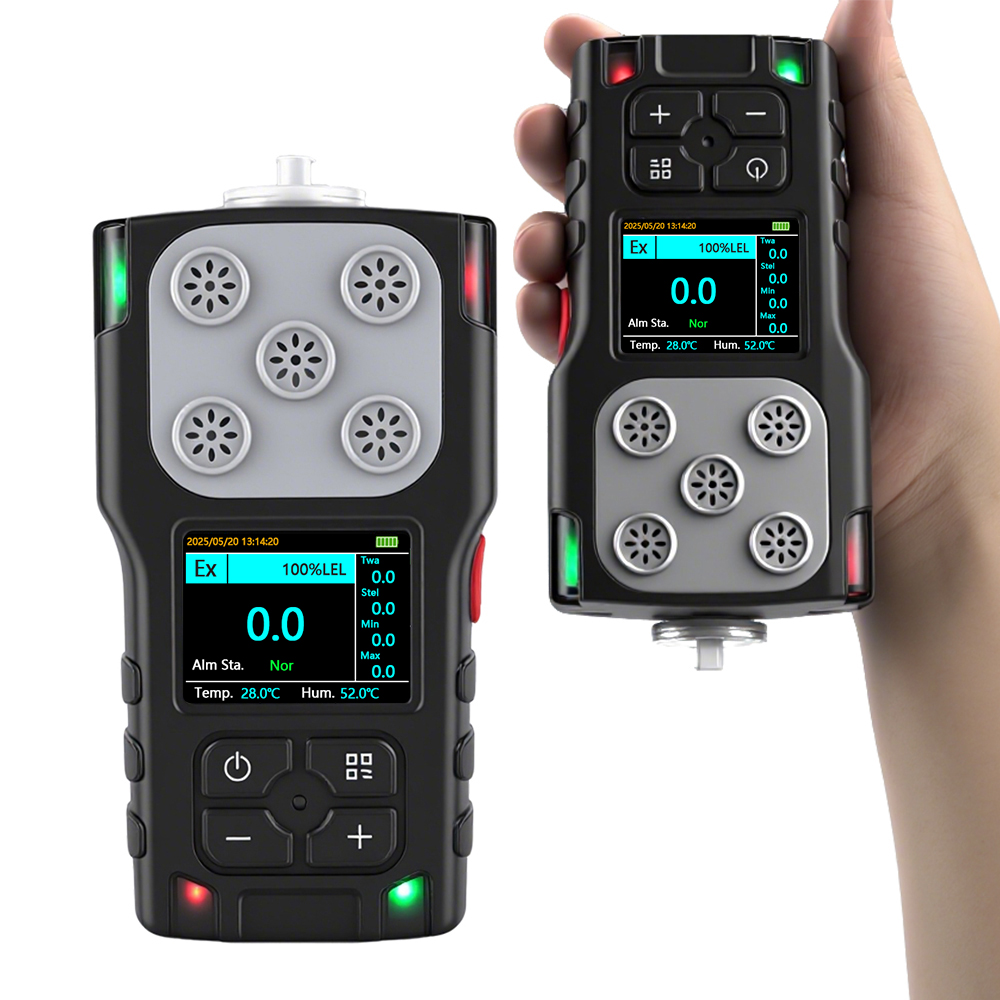
HNAG920 Portable NH3 Ammonia Single Gas Detector with Custom Ranges-HNAG920 Portable NH3 Ammonia Single Gas Detector with Custom Ranges
This HNAG920-NH3 handheld single ammonia gas detector provides 12 optional NH3 measuring ranges from 0-10ppm up to 0-100%Vol. It supports auto 180° screen rotation, 4G/WiFi/Bluetooth/LORA wireless transmission, Type-C rechargeable design, 4-side LED alarm lights, durable PC+TPU housing, and allows mobile data viewing & Bluetooth printing for chemical plants, livestock farms and refrigeration workshop hazardous gas monitoring.
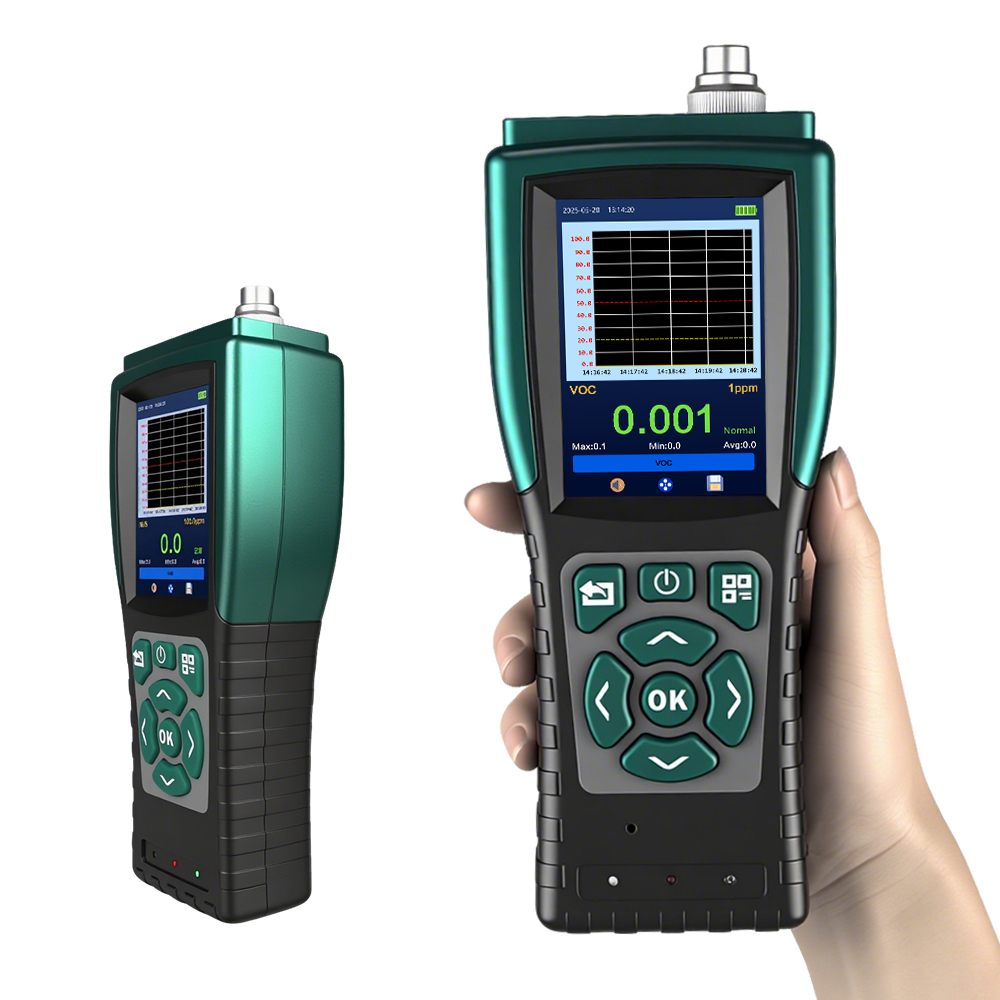
Portable Methane Gas Detector Handheld Methane Monitor-HNAG900Portable Methane Gas Detector Handheld Methane Monitor
Skyeaglee HANG-900-CH4-C portable methane gas detector with catalytic detection 0-100%LEL, IP65, Ex ib II CT4 Gb. Expandable to 6 gases, 5400mAh, USB data export. Professional methane gas monitor for oil, coal, petrochemical.
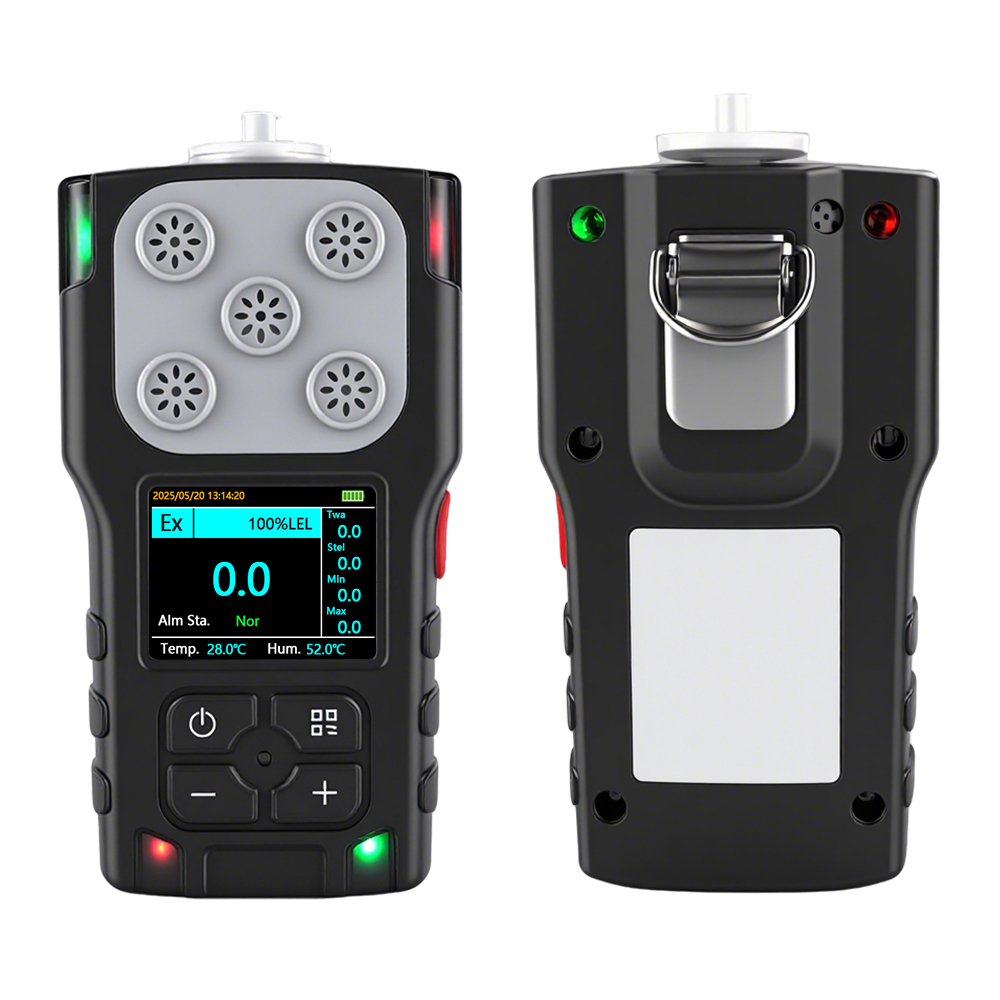
Portable pump-assisted diffusion-type hydrogen gas detector-HNAG920-H2Portable pump-assisted diffusion-type hydrogen gas detector
Explore the Portable pump - assisted diffusion - type hydrogen gas detector. This detector combines pump - assisted and diffusion - type features, offering high - precision hydrogen detection.
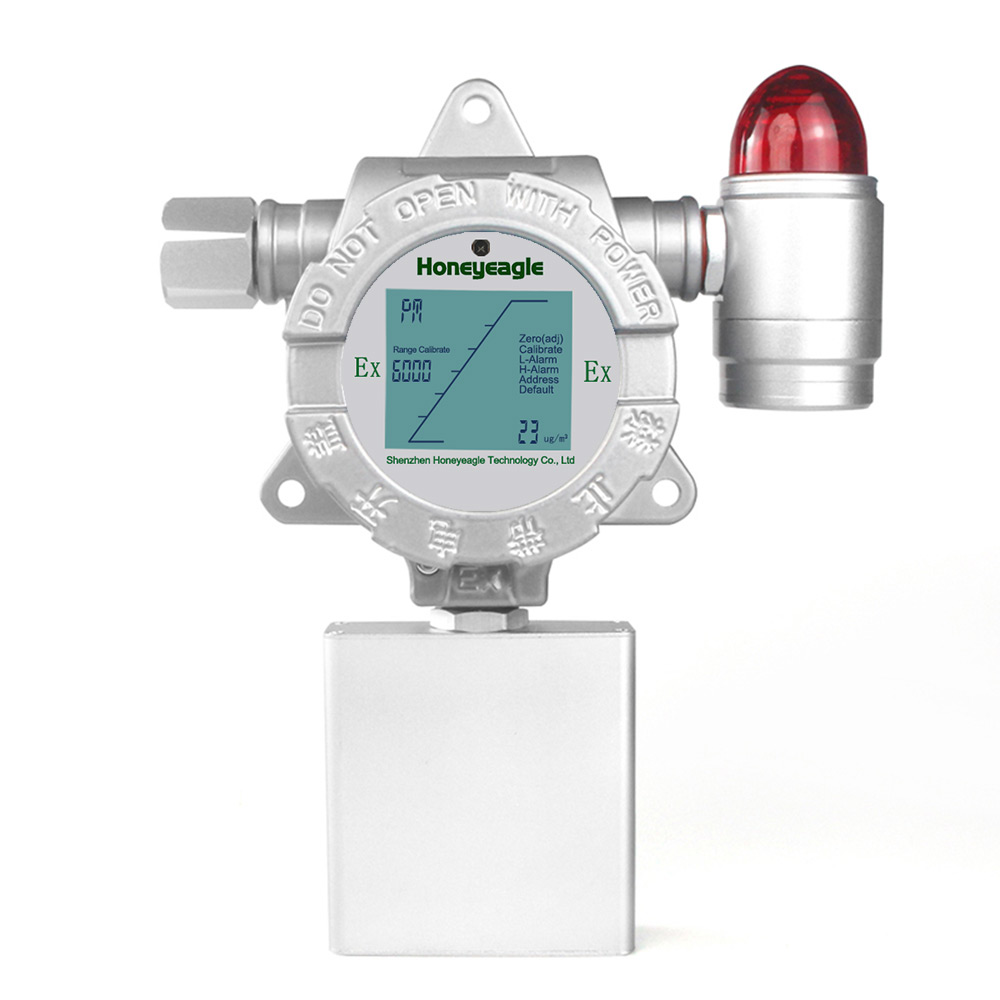
Industrial Fixed Dust Concentration Detector PM Sensor-HNAG1000-PMIndustrial Fixed Dust Concentration Detector PM Sensor
The HNAG1000-PM is an industrial fixed dust detector featuring a high-precision laser scattering sensor. With IP66 protection, explosion-proof casing, and RS485/4-20mA outputs, it ensures real-time, accurate PM monitoring for harsh environments.
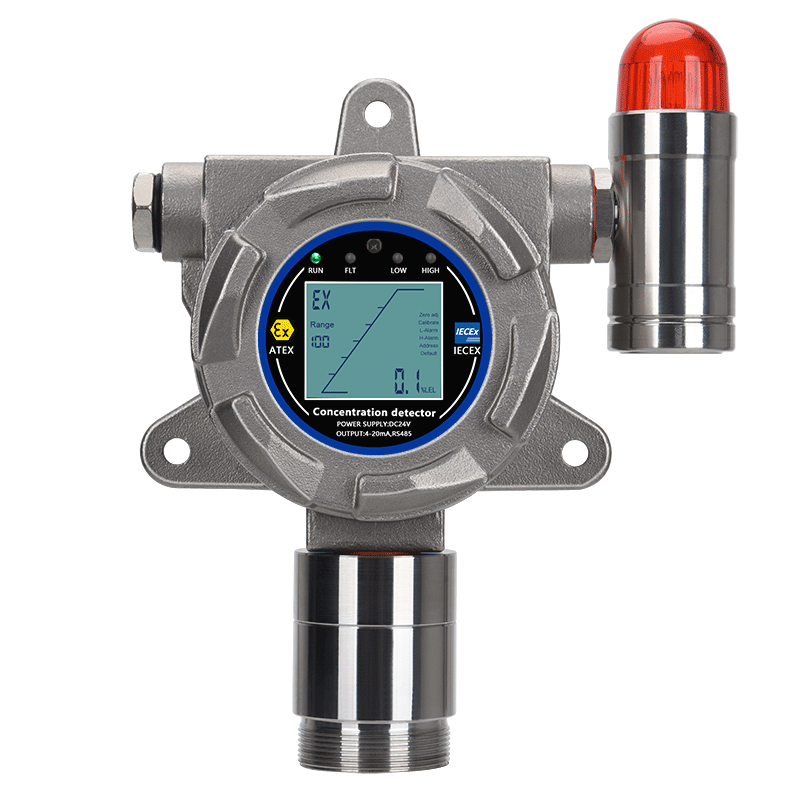
Fixed Stainless Steel H2S Gas Detector | Skyeaglee-Fixed Stainless Steel H2S Gas Detector | Skyeaglee
The HNAG1000-H2S-Z is an industrial fixed hydrogen sulfide (H2S) gas detector featuring a rugged stainless steel enclosure. Equipped with a precise electrochemical sensor, it delivers real-time monitoring, multi-signal output, and IP66 protection.
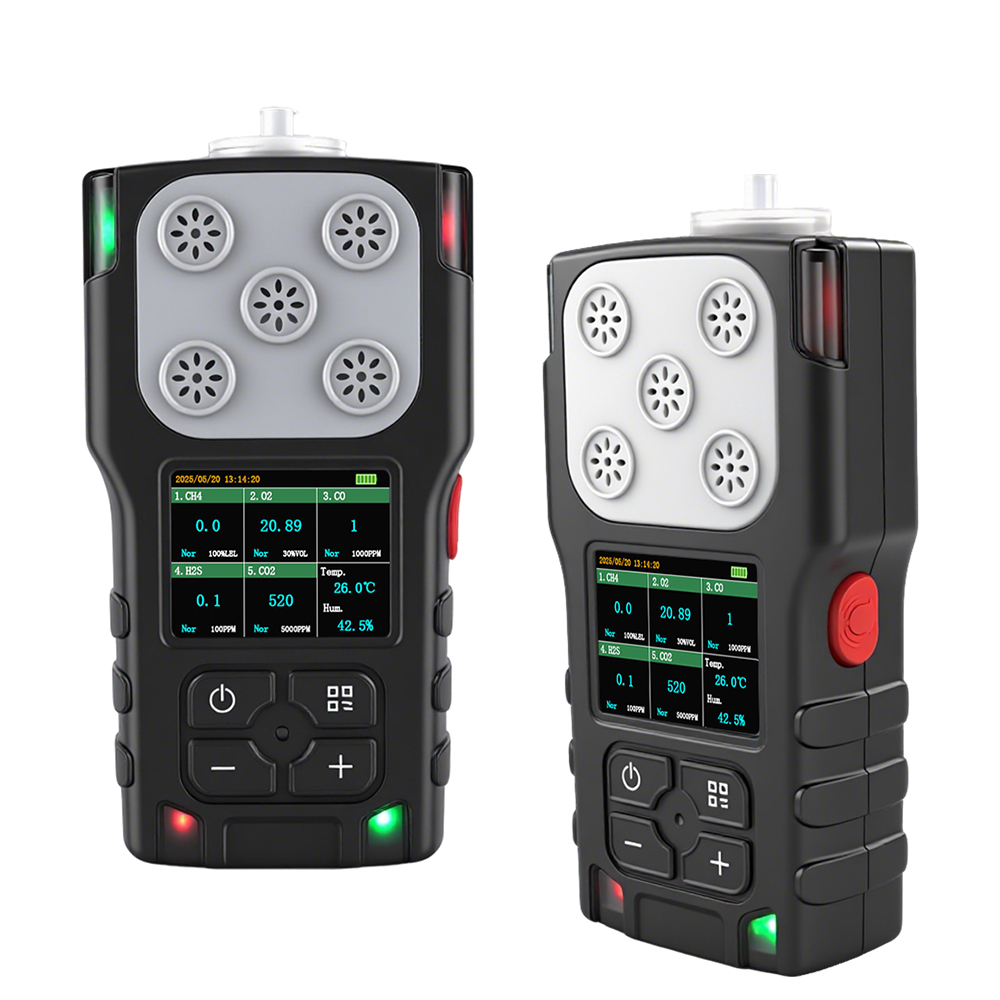
Portable 5-in-1 Pump Suction Gas Detector | Skyeaglee-Portable 5-in-1 Pump Suction Gas Detector | Skyeaglee
The HNAG920-5H portable 5-in-1 gas detector supports both pump suction and diffusion modes. It monitors O2, H2S, CO2, CO, and N2 simultaneously with high accuracy, featuring wireless transmission, a 180° auto-rotating screen, and a durable PC+TPU housing.
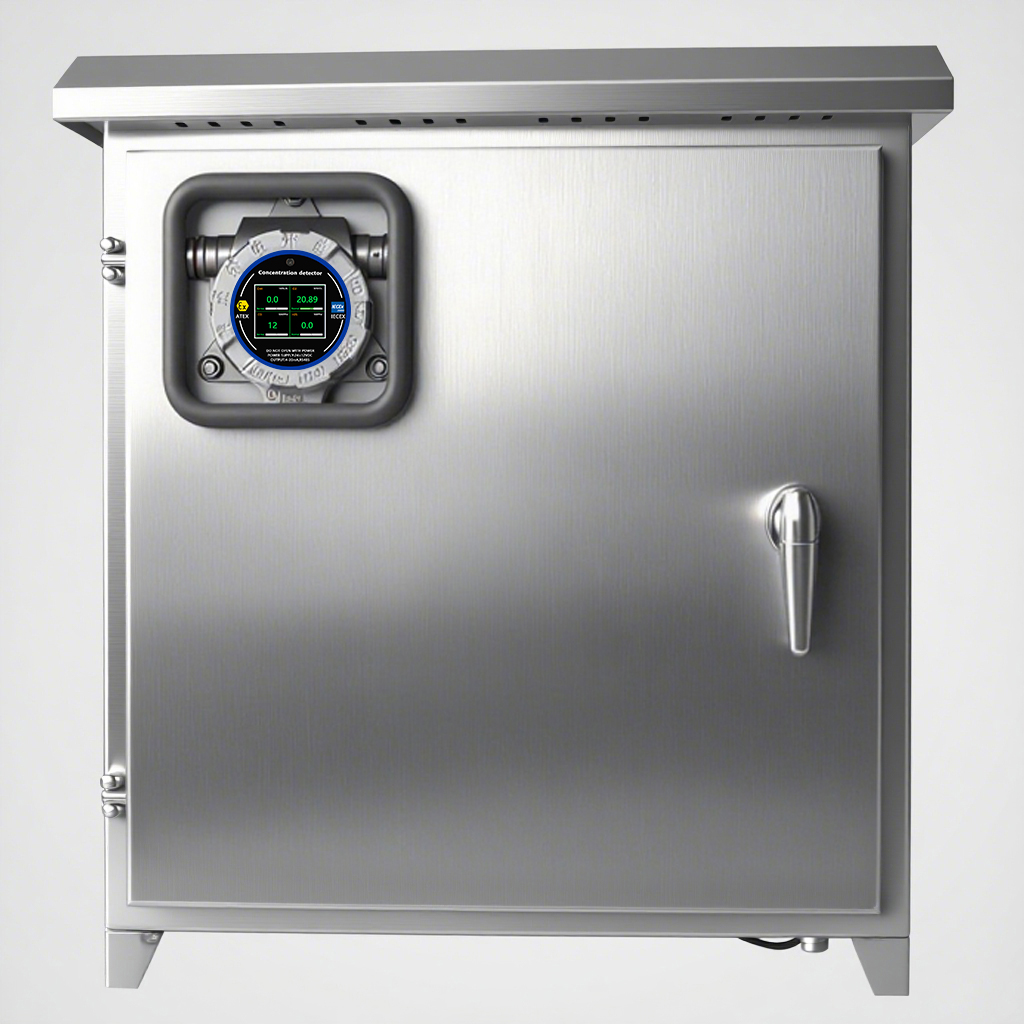
Fixed O3 Preprocessing Online Monitoring System-Fixed O3 Preprocessing Online Monitoring System
The HNAG800-O3 Preprocessing Online Monitoring System provides real-time Ozone detection. Featuring an advanced electrochemical sensor in a stainless steel enclosure, it ensures rapid response and high precision for strict industrial safety.
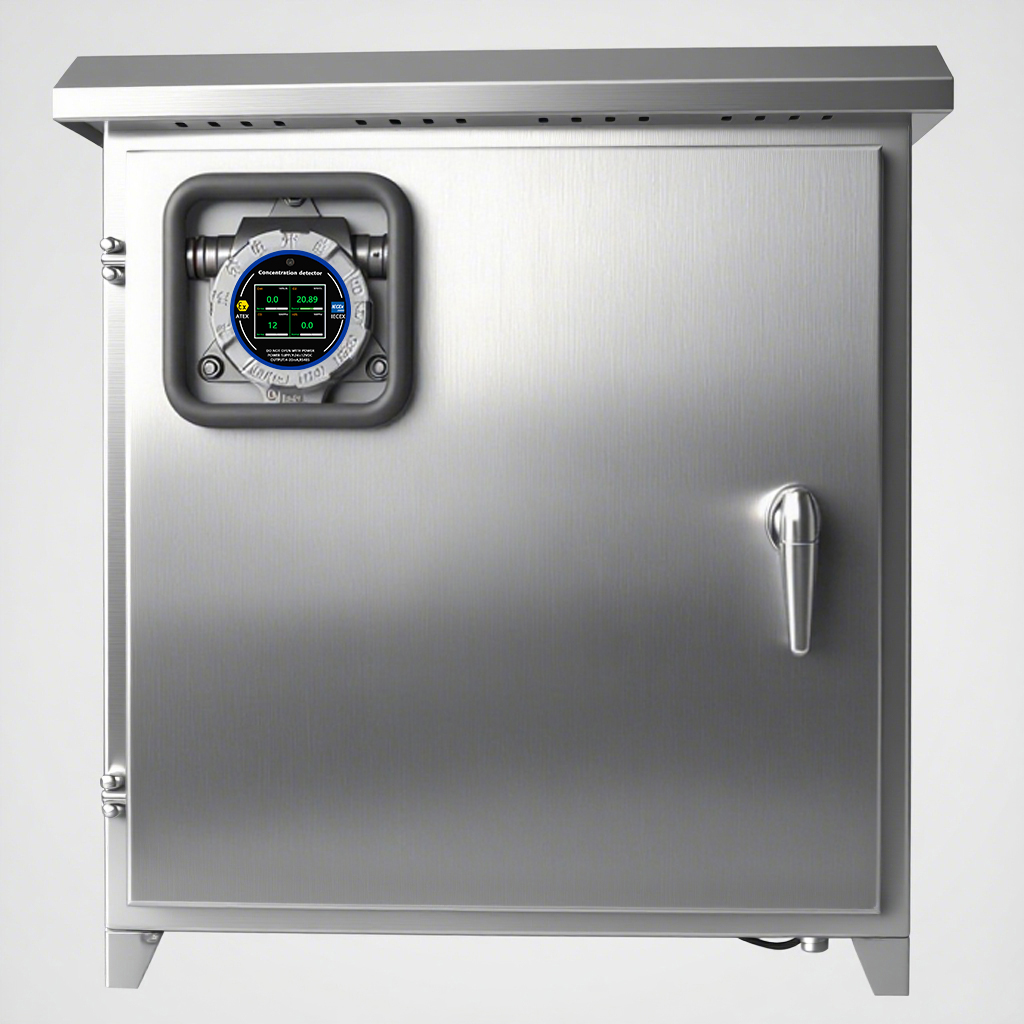
Fixed CLO2 Preprocessing Online Monitoring System-Fixed CLO2 Preprocessing Online Monitoring System
The HNAG800-CLO2 Preprocessing Online Monitoring System delivers real-time Chlorine Dioxide detection. Featuring a highly sensitive electrochemical sensor, it ensures rapid response and high accuracy within a rugged stainless steel enclosure for strict industrial safety.
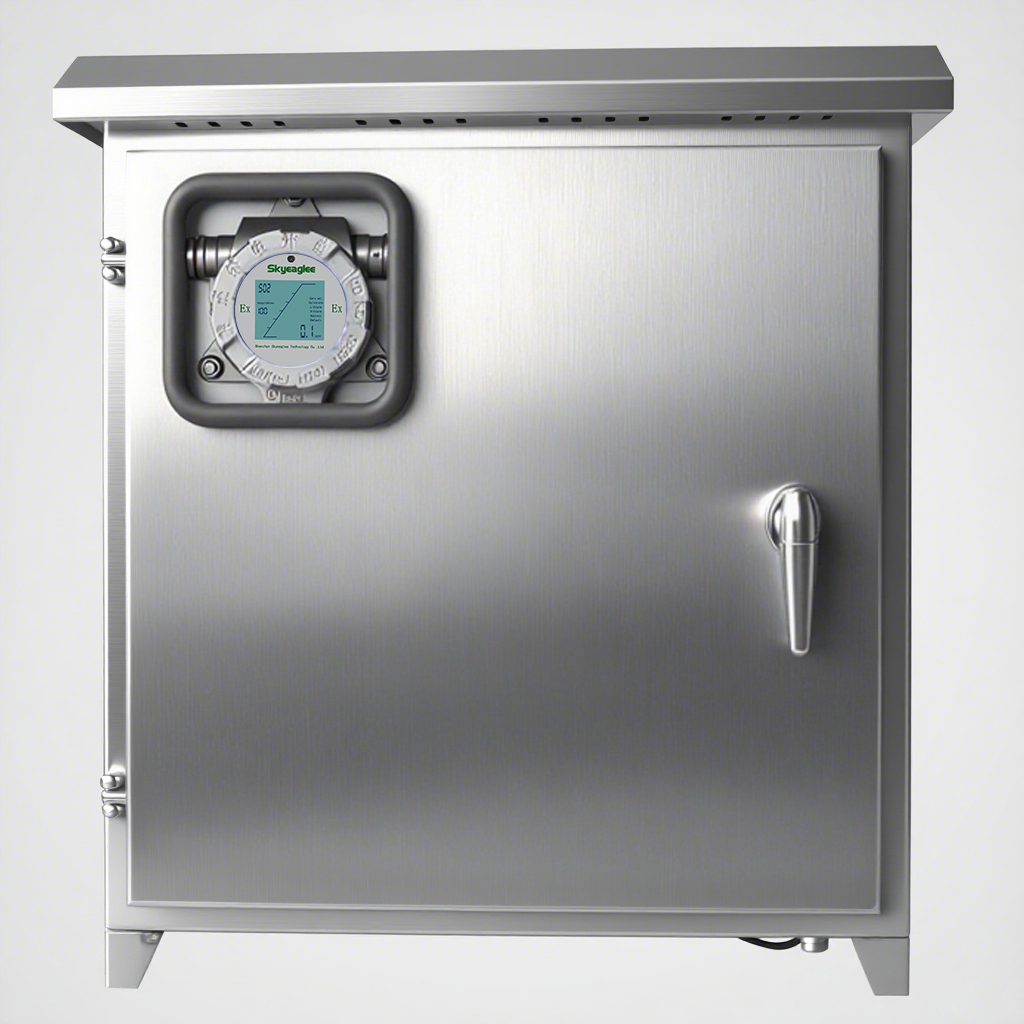
Fixed CL2 Preprocessing Online Monitoring System-Fixed CL2 Preprocessing Online Monitoring System
The HNAG800-CL2 Preprocessing Online Monitoring System delivers real-time Chlorine gas detection. Featuring a highly sensitive electrochemical sensor, it ensures rapid response and high accuracy within a rugged stainless steel enclosure for strict industrial safety.
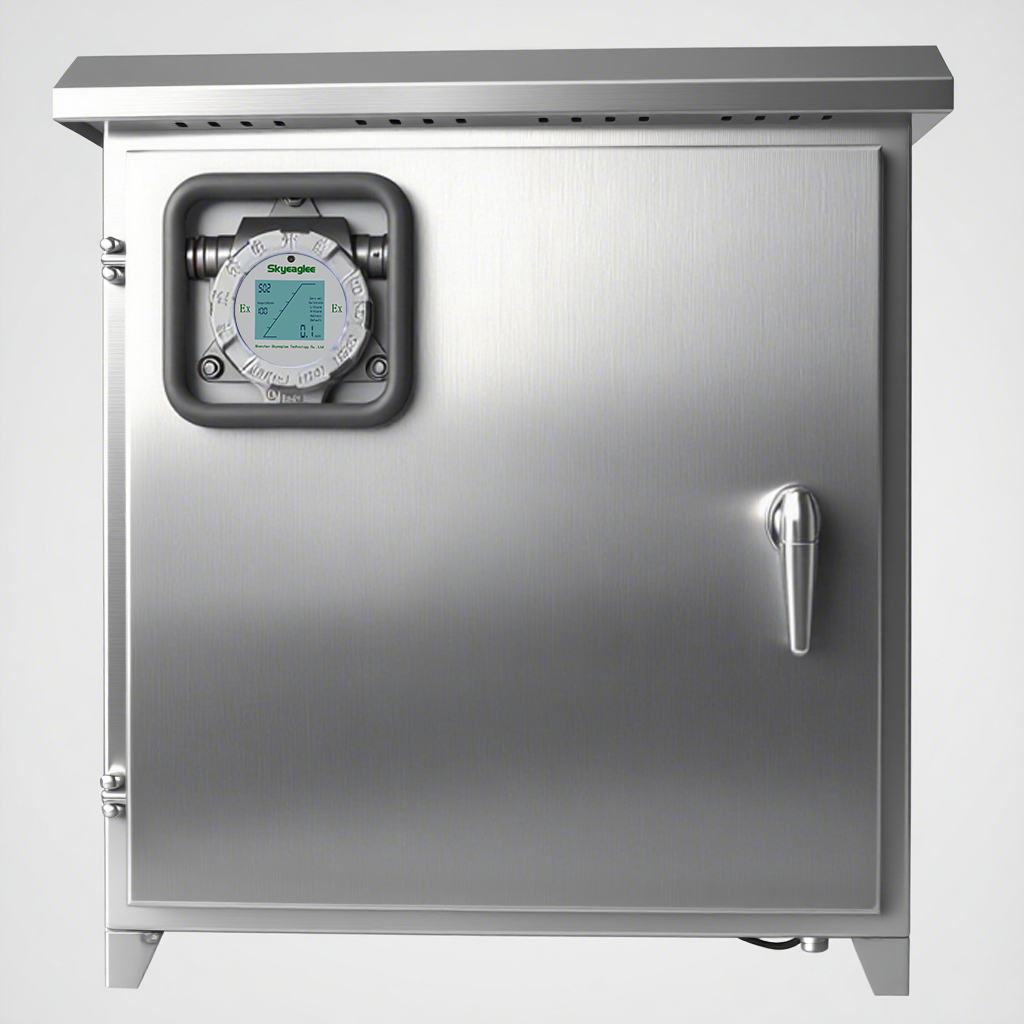
Fixed HF Preprocessing Online Monitoring System-Fixed HF Preprocessing Online Monitoring System
The HNAG800-HF Preprocessing Online Monitoring System delivers real-time Hydrogen Fluoride detection. Featuring a highly sensitive electrochemical sensor, it ensures rapid response and high accuracy within a rugged stainless steel enclosure for robust industrial safety.
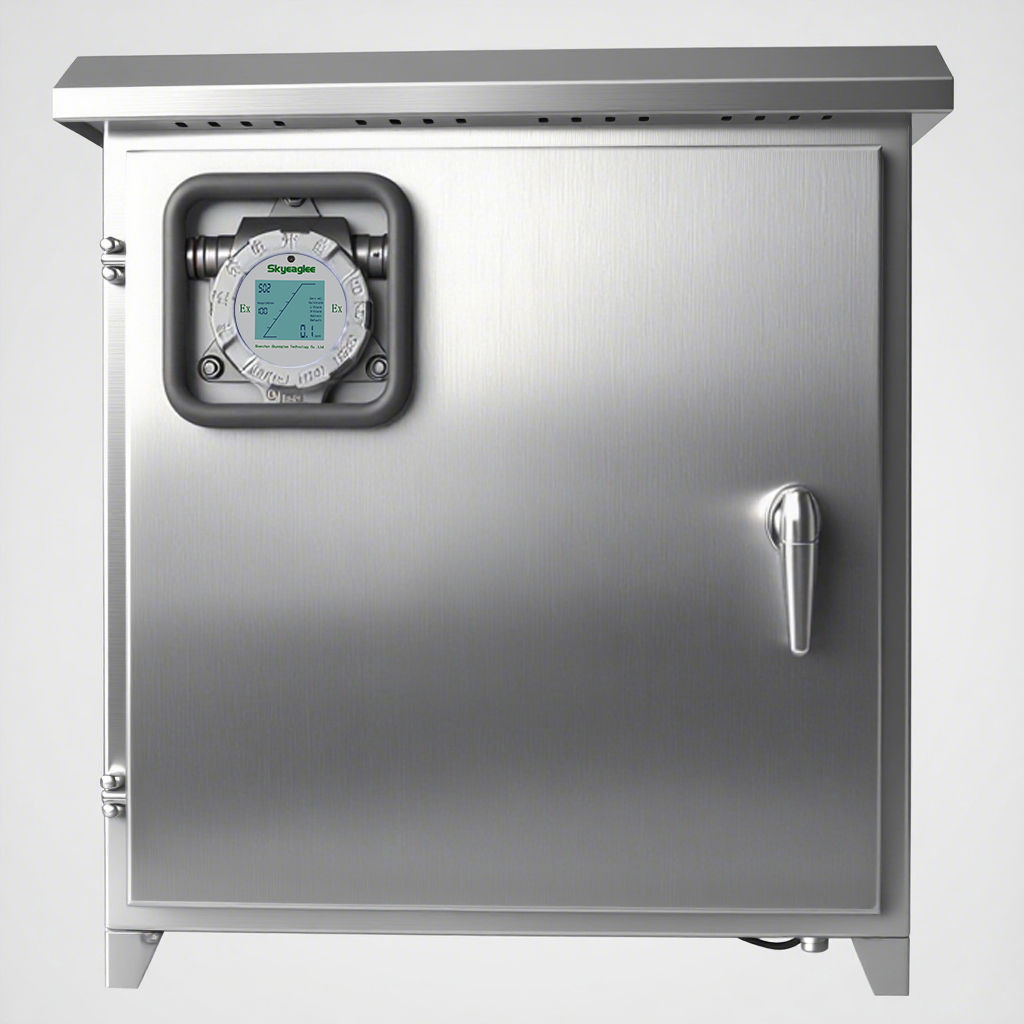
Fixed F2 Preprocessing Online Monitoring System-Fixed F2 Preprocessing Online Monitoring System
The HNAG800-F2 Preprocessing Online Monitoring System provides real-time Fluorine detection. Featuring a precise electrochemical sensor within a robust stainless steel enclosure, it ensures rapid response and high safety in harsh environments.
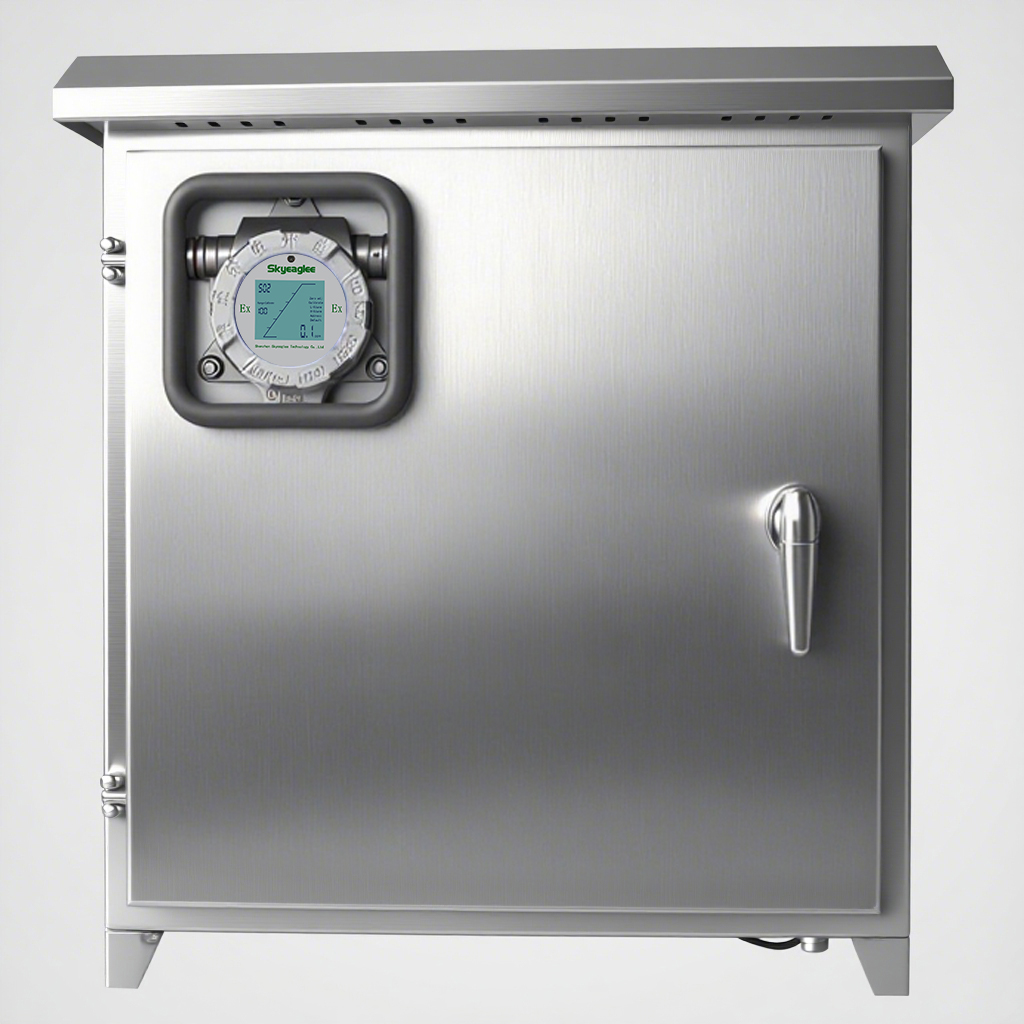
Fixed HBr/HCl Preprocessing Online Monitoring System-Fixed HBr/HCl Preprocessing Online Monitoring System
The HNAG800-HBR/HCL Preprocessing Online Monitoring System provides real-time Hydrogen Bromide and Hydrogen Chloride detection. Featuring a precise electrochemical sensor in a stainless steel enclosure, it ensures rapid response and industrial safety.
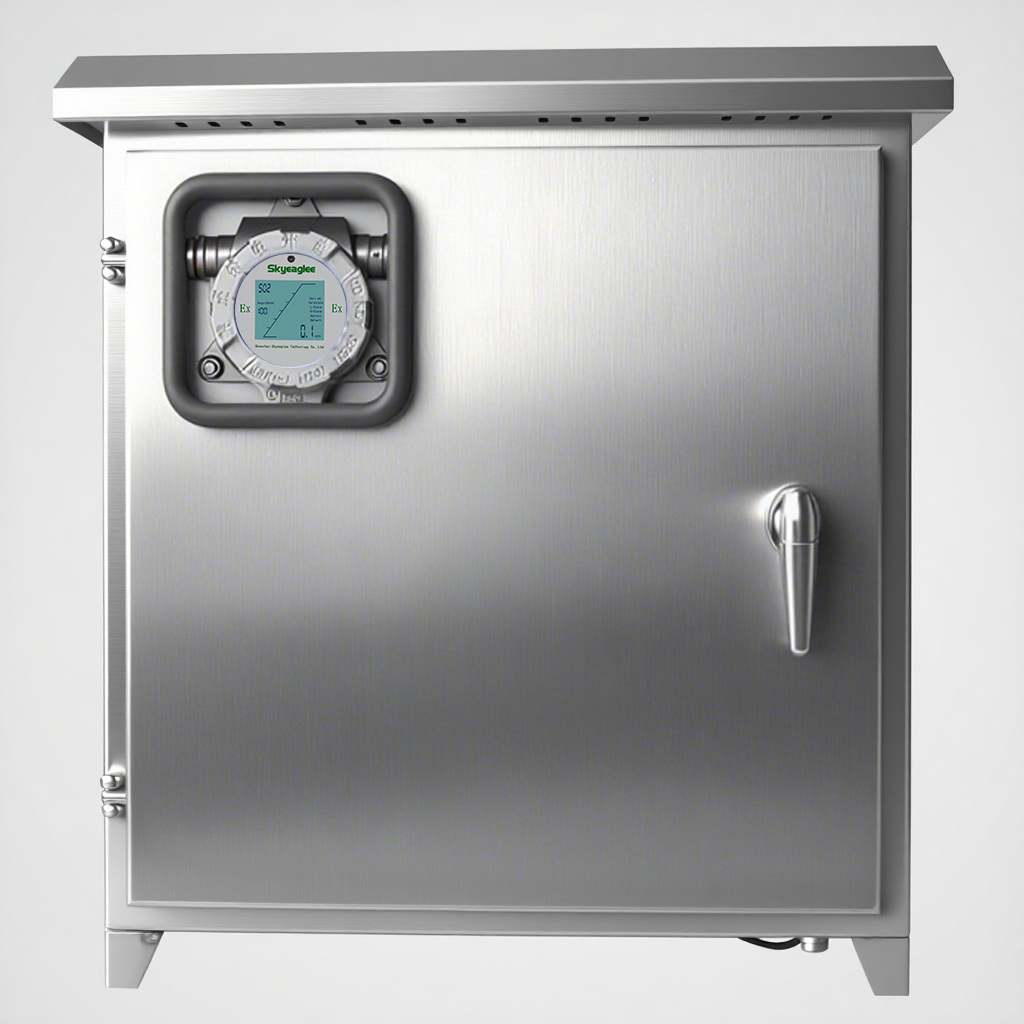
Fixed HCN Preprocessing Online Monitoring System-Fixed HCN Preprocessing Online Monitoring System
The HNAG800-HCN Preprocessing Online Monitoring System delivers real-time Hydrogen Cyanide detection. Featuring a highly sensitive electrochemical sensor, it ensures rapid response, high accuracy, and explosion-proof safety within a rugged stainless steel enclosure.
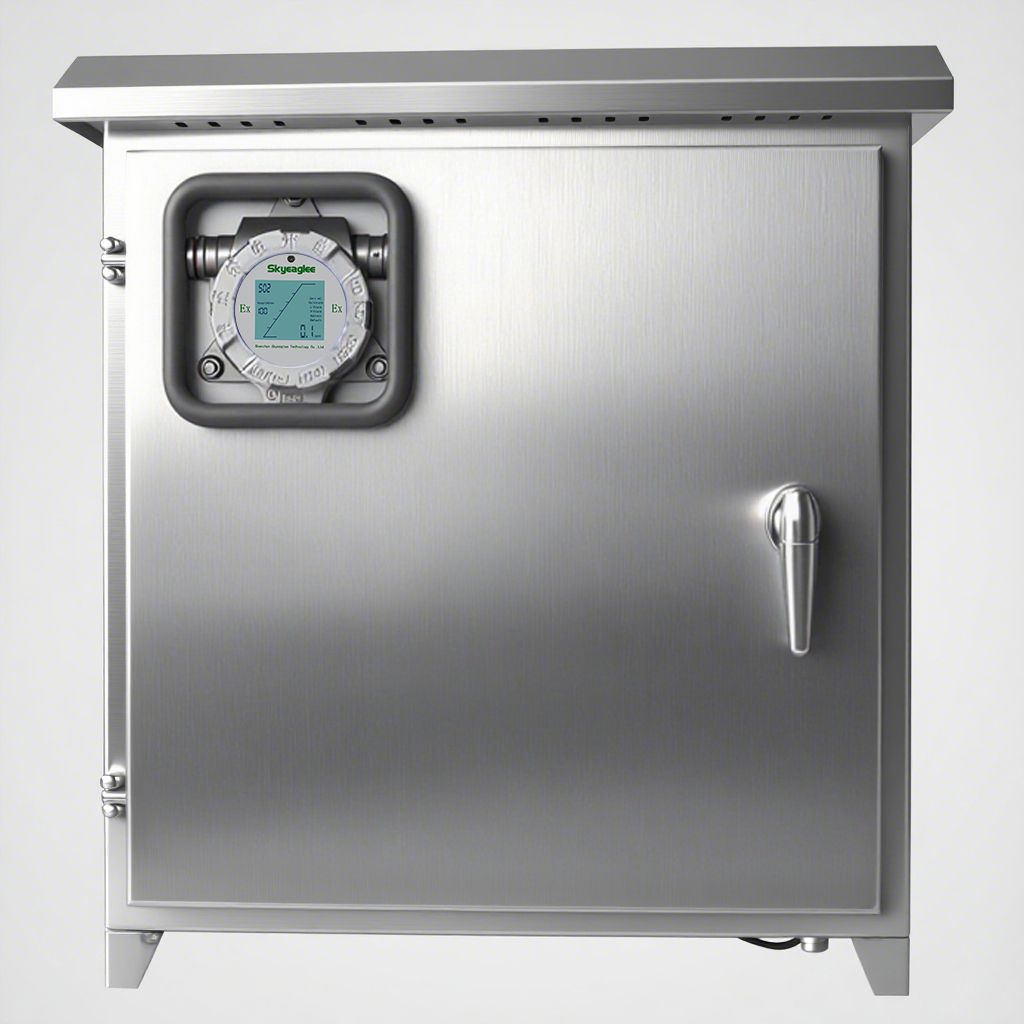
Fixed NO Preprocessing Online Monitoring System-Fixed NO Preprocessing Online Monitoring System
The HNAG800-NO Preprocessing Online Monitoring System delivers real-time Nitric Oxide detection. Featuring an advanced electrochemical sensor for atmospheric monitoring, it ensures rapid response and high precision in a rugged stainless steel enclosure.
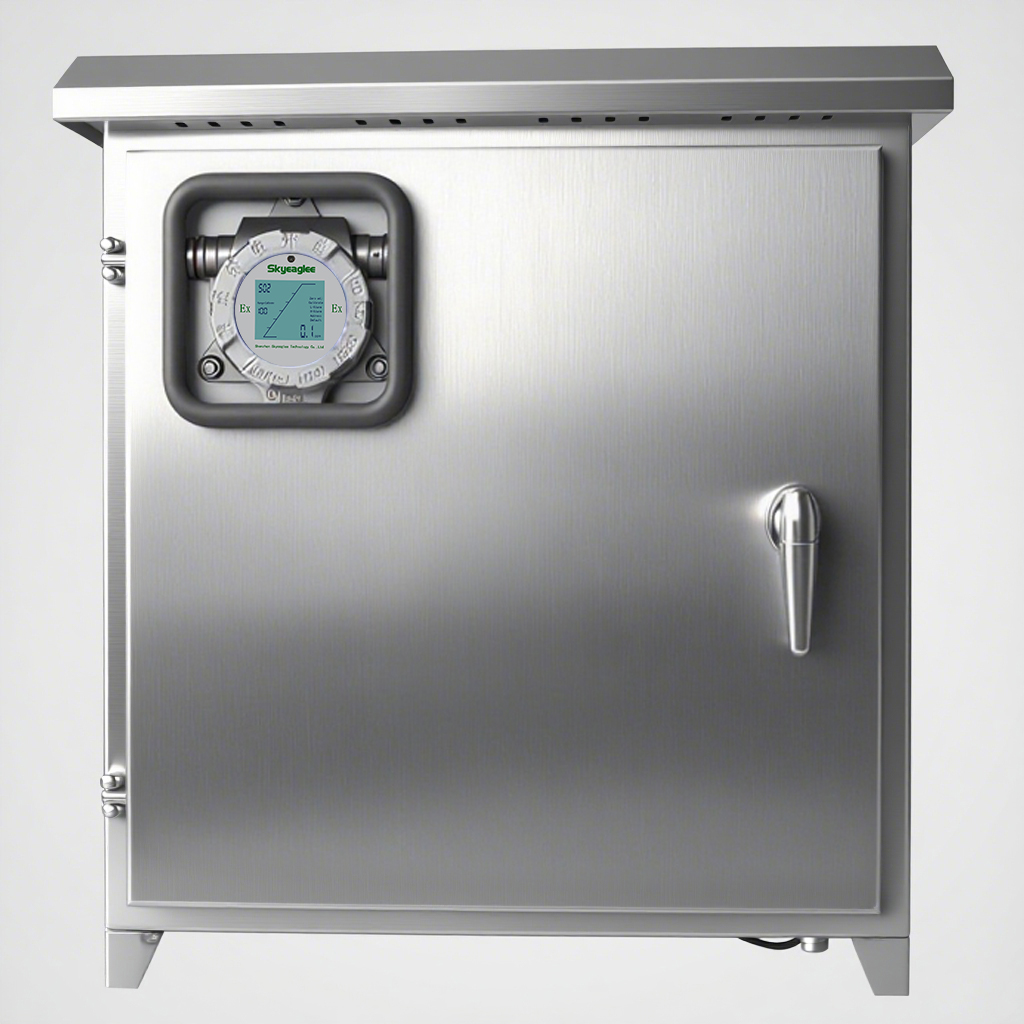
Fixed NH3 Preprocessing Online Monitoring System-Fixed NH3 Preprocessing Online Monitoring System
The HNAG900-NH3 Preprocessing Online Monitoring System delivers real-time, accurate ammonia detection. Engineered with electrochemical and thermal conduction sensors in a robust stainless steel enclosure, it ensures rapid response and safety in harsh industrial environments.
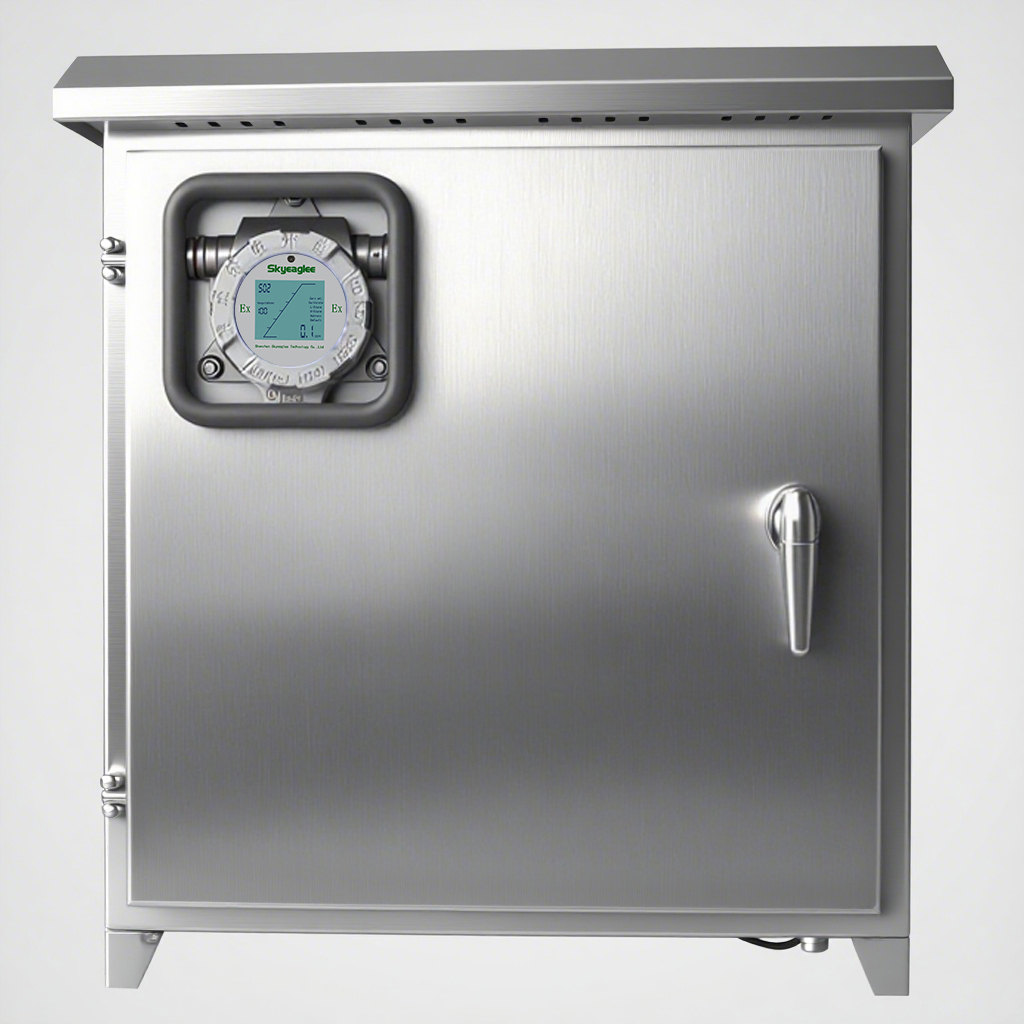
Fixed SO2 Preprocessing Online Monitoring System-Fixed SO2 Preprocessing Online Monitoring System
The HNAG800-SO2 Preprocessing Online Monitoring System delivers real-time Sulfur Dioxide detection. Featuring an advanced electrochemical sensor for flue gas, it ensures rapid response and high precision in a rugged stainless steel enclosure.
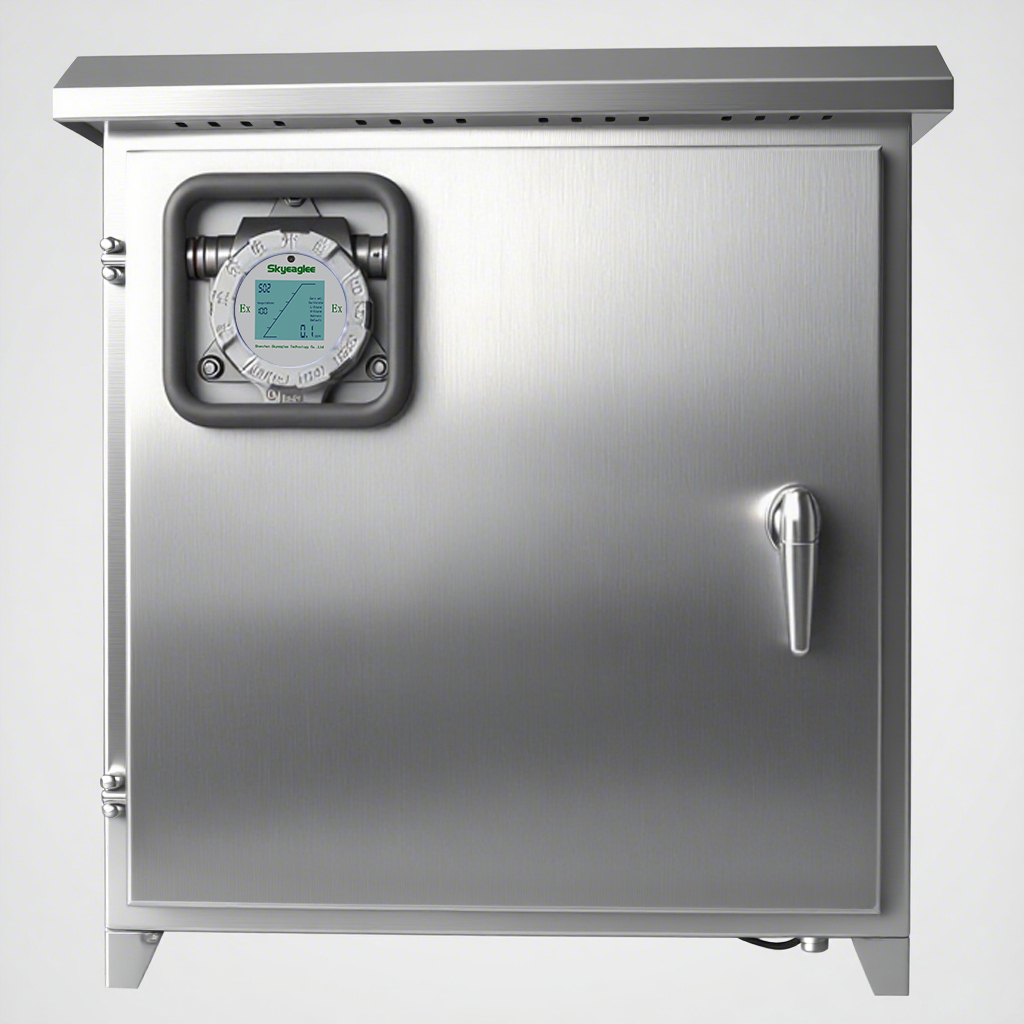
Fixed NO2 Preprocessing Online Monitoring System-Fixed NO2 Preprocessing Online Monitoring System
The HNAG1000-NO2 Preprocessing Online Monitoring System provides real-time Nitrogen Dioxide detection. Engineered with an electrochemical sensor for flue gas applications and housed in robust stainless steel, it guarantees rapid response and industrial safety.
Fixed H2S Preprocessing Online Monitoring System-Fixed H2S Preprocessing Online Monitoring System
The HNAG1000-H2S Preprocessing Online Monitoring System delivers real-time hydrogen sulfide detection. Featuring an advanced electrochemical sensor and a rugged stainless steel enclosure, it ensures rapid response and safety in harsh environments.
Fixed CFC Gas Preprocessing Online Monitoring System-Fixed CFC Gas Preprocessing Online Monitoring System
The HNAG1000-CFC Preprocessing Online Monitoring System offers continuous, real-time CFC gas detection. Utilizing NDIR and catalytic combustion sensors within a rugged stainless steel enclosure, it ensures high accuracy and safety in harsh environments.
Fixed CO Preprocessing Online Monitoring System-Fixed CO Preprocessing Online Monitoring System
HNAG1000 Fixed CO Preprocessing Monitoring System provides continuous carbon monoxide detection in harsh areas. Built with advanced NDIR sensors and a rugged stainless steel enclosure, it guarantees rapid response, high accuracy, and industrial safety.
HNAG920 Portable NH3 Ammonia Single Gas Detector with Custom Ranges-HNAG920 Portable NH3 Ammonia Single Gas Detector with Custom Ranges
This HNAG920-NH3 handheld single ammonia gas detector provides 12 optional NH3 measuring ranges from 0-10ppm up to 0-100%Vol. It supports auto 180° screen rotation, 4G/WiFi/Bluetooth/LORA wireless transmission, Type-C rechargeable design, 4-side LED alarm lights, durable PC+TPU housing, and allows mobile data viewing & Bluetooth printing for chemical plants, livestock farms and refrigeration workshop hazardous gas monitoring.
Portable Methane Gas Detector Handheld Methane Monitor-HNAG900Portable Methane Gas Detector Handheld Methane Monitor
Skyeaglee HANG-900-CH4-C portable methane gas detector with catalytic detection 0-100%LEL, IP65, Ex ib II CT4 Gb. Expandable to 6 gases, 5400mAh, USB data export. Professional methane gas monitor for oil, coal, petrochemical.
Portable pump-assisted diffusion-type hydrogen gas detector-HNAG920-H2Portable pump-assisted diffusion-type hydrogen gas detector
Explore the Portable pump - assisted diffusion - type hydrogen gas detector. This detector combines pump - assisted and diffusion - type features, offering high - precision hydrogen detection.
Industrial Fixed Dust Concentration Detector PM Sensor-HNAG1000-PMIndustrial Fixed Dust Concentration Detector PM Sensor
The HNAG1000-PM is an industrial fixed dust detector featuring a high-precision laser scattering sensor. With IP66 protection, explosion-proof casing, and RS485/4-20mA outputs, it ensures real-time, accurate PM monitoring for harsh environments.
Fixed Stainless Steel H2S Gas Detector | Skyeaglee-Fixed Stainless Steel H2S Gas Detector | Skyeaglee
The HNAG1000-H2S-Z is an industrial fixed hydrogen sulfide (H2S) gas detector featuring a rugged stainless steel enclosure. Equipped with a precise electrochemical sensor, it delivers real-time monitoring, multi-signal output, and IP66 protection.
Portable 5-in-1 Pump Suction Gas Detector | Skyeaglee-Portable 5-in-1 Pump Suction Gas Detector | Skyeaglee
The HNAG920-5H portable 5-in-1 gas detector supports both pump suction and diffusion modes. It monitors O2, H2S, CO2, CO, and N2 simultaneously with high accuracy, featuring wireless transmission, a 180° auto-rotating screen, and a durable PC+TPU housing.
Fixed O3 Preprocessing Online Monitoring System-Fixed O3 Preprocessing Online Monitoring System
The HNAG800-O3 Preprocessing Online Monitoring System provides real-time Ozone detection. Featuring an advanced electrochemical sensor in a stainless steel enclosure, it ensures rapid response and high precision for strict industrial safety.
Fixed CLO2 Preprocessing Online Monitoring System-Fixed CLO2 Preprocessing Online Monitoring System
The HNAG800-CLO2 Preprocessing Online Monitoring System delivers real-time Chlorine Dioxide detection. Featuring a highly sensitive electrochemical sensor, it ensures rapid response and high accuracy within a rugged stainless steel enclosure for strict industrial safety.
Fixed CL2 Preprocessing Online Monitoring System-Fixed CL2 Preprocessing Online Monitoring System
The HNAG800-CL2 Preprocessing Online Monitoring System delivers real-time Chlorine gas detection. Featuring a highly sensitive electrochemical sensor, it ensures rapid response and high accuracy within a rugged stainless steel enclosure for strict industrial safety.
Fixed HF Preprocessing Online Monitoring System-Fixed HF Preprocessing Online Monitoring System
The HNAG800-HF Preprocessing Online Monitoring System delivers real-time Hydrogen Fluoride detection. Featuring a highly sensitive electrochemical sensor, it ensures rapid response and high accuracy within a rugged stainless steel enclosure for robust industrial safety.
Fixed F2 Preprocessing Online Monitoring System-Fixed F2 Preprocessing Online Monitoring System
The HNAG800-F2 Preprocessing Online Monitoring System provides real-time Fluorine detection. Featuring a precise electrochemical sensor within a robust stainless steel enclosure, it ensures rapid response and high safety in harsh environments.
Give us a free quote
Submit this form and our sales representative will contact you soon.
Contact Us





Fill out the form