

Case Study of Toxic and Harmful Gas Monitoring Project in Sewage Treatment Plants
Release time:2025-10-28
Source:ㅤ
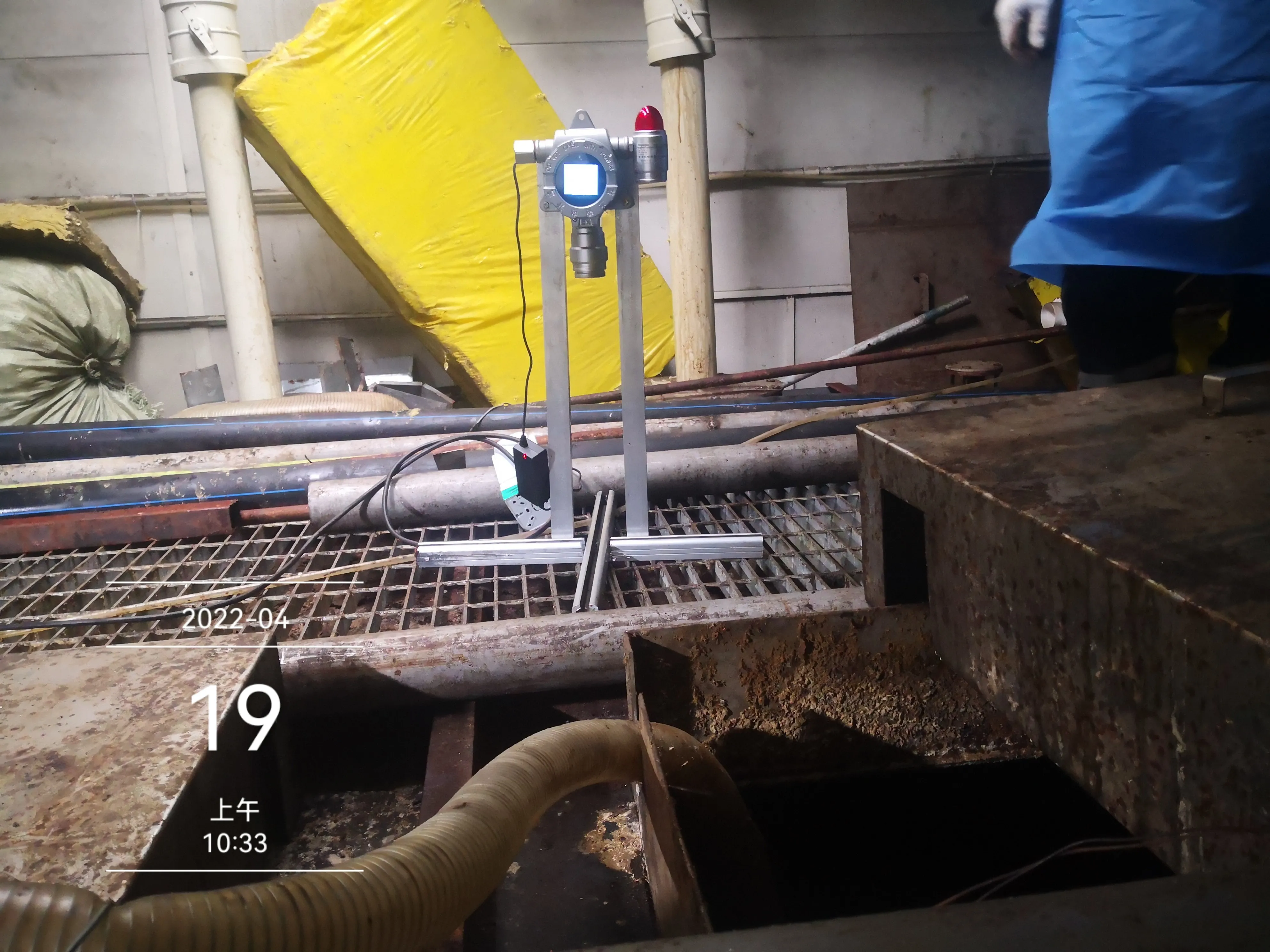
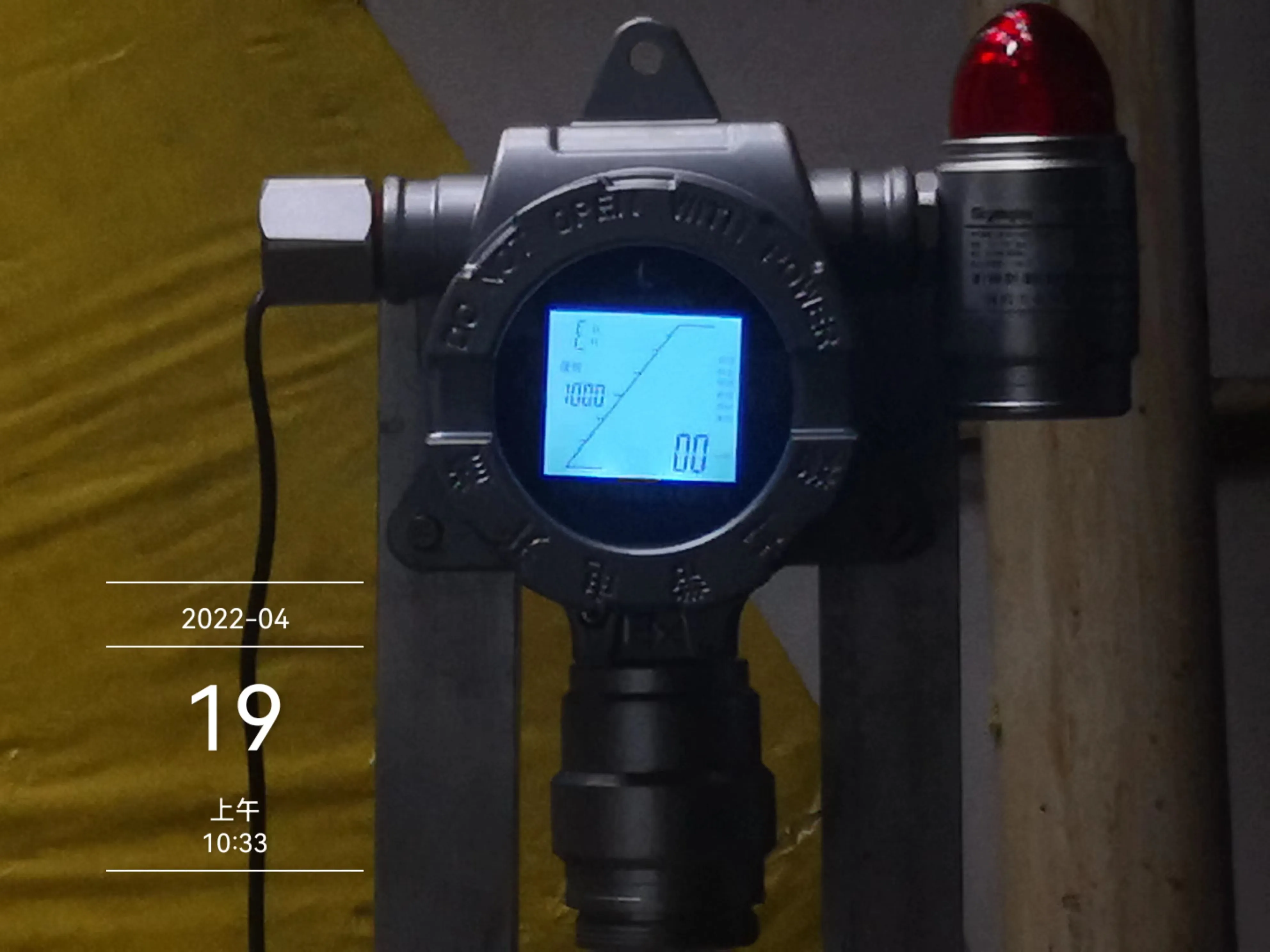
The online gas detector was used in this project mainly for the following reasons:
Ensuring personnel safety: During the sewage treatment process, toxic, flammable and explosive gases such as hydrogen sulfide (H₂S) and methane (CH₄) are produced. The online detector can monitor the concentration of these gases in real time. When the concentration exceeds the standard, it will alarm in time to prevent personnel poisoning or explosion accidents. For instance, high concentrations of hydrogen sulfide can cause "electric shock-like" deaths to people, and methane reaching its explosive limit can trigger an explosion when exposed to an open flame. Online monitoring can effectively prevent such risks.
Facilitate process optimization: By monitoring gas concentrations in different regions, adjust process parameters such as the operation of the grid and aeration intensity to enhance treatment efficiency.
Meeting environmental protection requirements: Online monitoring data can be connected to the environmental protection platform in real time, proving that the enterprise's waste gas emissions comply with relevant regulations such as the "Emission Standard of Odorous Pollutants", and avoiding environmental protection penalties due to exceeding standards. Meanwhile, the factory boundary monitoring data is open and transparent, which can effectively reduce complaints from surrounding residents.
Realize intelligent linkage and energy conservation: The online detector can be linked with deodorization equipment, ventilation systems, etc. When the gas concentration is lower than the set value, the frequency of the deodorization fan will be automatically reduced or it will be temporarily shut down. When the concentration rises, it automatically starts at full power, which can save 30% to 50% of electricity. It can also replace the filter material as needed based on the concentration data at the inlet and outlet of the deodorization device, thus saving material costs.
The online gas detector was used in this project mainly for the following reasons:
Ensuring personnel safety: During the sewage treatment process, toxic, flammable and explosive gases such as hydrogen sulfide (H₂S) and methane (CH₄) are produced. The online detector can monitor the concentration of these gases in real time. When the concentration exceeds the standard, it will alarm in time to prevent personnel poisoning or explosion accidents. For instance, high concentrations of hydrogen sulfide can cause "electric shock-like" deaths to people, and methane reaching its explosive limit can trigger an explosion when exposed to an open flame. Online monitoring can effectively prevent such risks.
Facilitate process optimization: By monitoring gas concentrations in different regions, adjust process parameters such as the operation of the grid and aeration intensity to enhance treatment efficiency.
Meeting environmental protection requirements: Online monitoring data can be connected to the environmental protection platform in real time, proving that the enterprise's waste gas emissions comply with relevant regulations such as the "Emission Standard of Odorous Pollutants", and avoiding environmental protection penalties due to exceeding standards. Meanwhile, the factory boundary monitoring data is open and transparent, which can effectively reduce complaints from surrounding residents.
Realize intelligent linkage and energy conservation: The online detector can be linked with deodorization equipment, ventilation systems, etc. When the gas concentration is lower than the set value, the frequency of the deodorization fan will be automatically reduced or it will be temporarily shut down. When the concentration rises, it automatically starts at full power, which can save 30% to 50% of electricity. It can also replace the filter material as needed based on the concentration data at the inlet and outlet of the deodorization device, thus saving material costs.
 |
 |
 |
 |
|
|
|
|
Contact Us





Fill out the form