

Fixed Helium Gas Leak Detectors Mitigate Hazards in Helium Handling Environments
Release time:2026-02-06
Source:Skyeaglee
Real World Application Case Fixed Helium Gas Leak Detectors Mitigate Hazards in Helium Handling Environments
Client Background & Core Safety Challenges
The client operates a facility specializing in low-temperature equipment research and helium-based testing, with multiple work areas including a laboratory, a helium cylinder storage room, and a low-temperature equipment workshop. The facility uses large quantities of helium stored in high-pressure steel cylinders, which are regularly transported and connected to testing equipment for daily operations. Prior to implementing a dedicated detection system, the client faced two critical safety challenges that threatened personnel safety and operational stability.
First, the risk of oxygen deficiency in confined spaces. The laboratory and low-temperature equipment workshop are relatively enclosed areas with poor air circulation. When helium leaks, it is lighter than air and accumulates at the top of these spaces, gradually displacing air and reducing the oxygen concentration. Since helium is colorless and odorless, personnel cannot detect leaks through sight or smell, and prolonged exposure to low-oxygen environments can lead to dizziness, fainting, or even fatal asphyxiation. Previously, the client relied solely on manual inspections and basic ventilation, which failed to provide real-time warnings of helium accumulation.
Second, the danger of high-pressure leakage. Helium is stored in high-pressure steel cylinders, and leaks can occur at cylinder valves, pipeline connections, or equipment joints due to wear, improper operation, or pressure fluctuations. A high-pressure helium leak can form a high-speed gas stream, which may cause physical injuries to nearby personnel or damage sensitive testing equipment. Additionally, undetected leaks can lead to waste of helium resources and increased operational costs.
The client urgently needed a reliable helium leak detection solution to monitor helium leaks in real time, issue timely warnings for oxygen deficiency risks, locate leak points quickly, and mitigate high-pressure leakage hazards. They required a combination of fixed and portable detection tools, including used helium leak detector models that could ensure stability and accuracy, to cover all high-risk areas.
Tailored Solution Helium Leak Detector Deployment
After a comprehensive on-site assessment of the facility’s layout, high-risk areas, and operational characteristics, the client implemented a layered detection system centered on fixed helium gas leak detectors, supplemented by handheld helium leak detector and helium sniffer leak detector devices to achieve full-coverage monitoring.
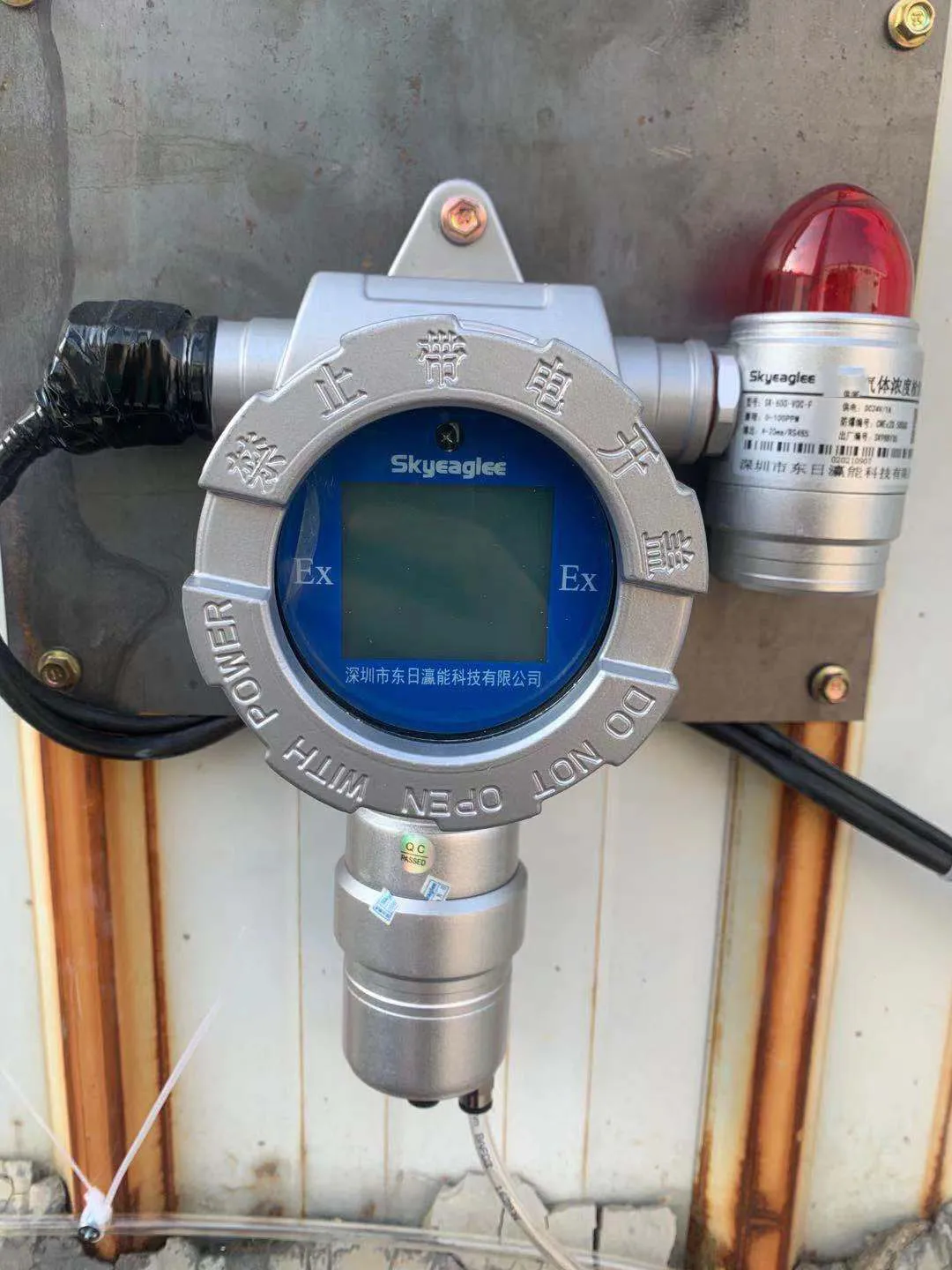
In terms of fixed detection deployment, multiple fixed helium gas leak detectors were strategically installed in key areas. In the helium cylinder storage room, detectors were mounted near cylinder valves and pipeline manifolds to monitor leaks at the source. In the laboratory and low-temperature equipment workshop, detectors were installed at the top of the spaces (where helium tends to accumulate) and near ventilation outlets, with a focus on areas around testing equipment that uses helium. These fixed detectors were calibrated to detect even minor helium leaks, ensuring early warning of oxygen deficiency by monitoring both helium concentration and changes in oxygen levels.
To complement the fixed detection system, the client also equipped on-site personnel with handheld helium leak detector devices for mobile inspections. These portable detectors are easy to carry and can be used to conduct regular checks on hard-to-reach areas, such as hidden pipeline connections and equipment interiors, that fixed detectors may not fully cover. Additionally, a helium sniffer leak detector was deployed to quickly locate the exact position of leaks once the fixed detectors issued an alarm. This combination of fixed and portable devices formed a comprehensive detection network, addressing both real-time monitoring and rapid leak localization.
The client also integrated used helium leak detector models into the system, which had been fully inspected and calibrated to ensure consistent performance with new devices. These used helium leak detector units were installed in secondary high-risk areas, such as auxiliary storage spaces, to optimize cost-effectiveness without compromising safety. All helium leak detectors in the system were set to issue audible and visual alarms when helium concentrations reached a preset threshold, triggering automatic ventilation systems to increase air circulation and reduce oxygen deficiency risks.
Operational Outcomes & Client Feedback
Since the deployment of the helium leak detection system, the client has achieved significant improvements in safety management and operational efficiency, successfully mitigating both oxygen deficiency and high-pressure leakage hazards.
In terms of preventing oxygen deficiency, the fixed helium gas leak detectors have played a critical role in real-time monitoring. During a routine testing operation, a fixed detector in the laboratory detected a minor helium leak from a testing equipment connection, triggering an alarm within 30 seconds. The automatic ventilation system activated immediately, and on-site personnel used the helium sniffer leak detector to locate and repair the leak within 10 minutes. The oxygen concentration in the laboratory remained within a safe range throughout the process, avoiding potential asphyxiation risks to personnel.
For high-pressure leakage hazards, the combination of fixed and handheld helium leak detector devices has enabled rapid leak localization and mitigation. On one occasion, a helium cylinder valve developed a small leak during transportation in the storage room. The fixed helium gas leak detector issued an alarm, and personnel used the handheld helium leak detector to confirm the leak point quickly. The cylinder was isolated and replaced promptly, preventing high-speed gas stream injuries and equipment damage.
The integration of used helium leak detector units has also proven effective, providing stable and accurate detection performance while reducing operational costs. These units have performed consistently with new detectors, ensuring that all high-risk areas are covered without unnecessary expenses.
In a post-implementation interview, the facility’s safety manager noted, “Our helium leak detectors system has completely transformed our safety management approach. The fixed helium gas leak detectors provide 24/7 real-time monitoring, while the handheld helium leak detector and helium sniffer leak detector allow us to respond quickly to leaks. Even the used helium leak detector units have exceeded our expectations, ensuring that we can maintain comprehensive safety coverage without overspending. This system has given our personnel peace of mind and significantly reduced the risk of helium-related accidents.”
Case Conclusion
This case demonstrates the critical importance of helium leak detectors in facilities handling helium, especially in addressing the dual hazards of oxygen deficiency and high-pressure leakage. By deploying a combination of fixed helium gas leak detectors, handheld helium leak detector, helium sniffer leak detector, and well-calibrated used helium leak detector units, the client has established a comprehensive, cost-effective detection system that ensures real-time monitoring, rapid leak localization, and timely hazard mitigation.
For any facility that uses or stores helium, relying solely on manual inspections is insufficient to protect personnel and equipment. A layered detection approach, utilizing various types of helium leak detectors, is essential to address the unique risks posed by helium leaks. Whether it is fixed detectors for continuous monitoring, handheld devices for mobile inspections, or helium sniffer leak detector for precise leak localization, each component plays a vital role in creating a safe operational environment. Used helium leak detector units, when properly inspected and calibrated, can also be a valuable addition, offering cost savings without compromising safety standards.
Real World Application Case Fixed Helium Gas Leak Detectors Mitigate Hazards in Helium Handling Environments
Client Background & Core Safety Challenges
The client operates a facility specializing in low-temperature equipment research and helium-based testing, with multiple work areas including a laboratory, a helium cylinder storage room, and a low-temperature equipment workshop. The facility uses large quantities of helium stored in high-pressure steel cylinders, which are regularly transported and connected to testing equipment for daily operations. Prior to implementing a dedicated detection system, the client faced two critical safety challenges that threatened personnel safety and operational stability.
First, the risk of oxygen deficiency in confined spaces. The laboratory and low-temperature equipment workshop are relatively enclosed areas with poor air circulation. When helium leaks, it is lighter than air and accumulates at the top of these spaces, gradually displacing air and reducing the oxygen concentration. Since helium is colorless and odorless, personnel cannot detect leaks through sight or smell, and prolonged exposure to low-oxygen environments can lead to dizziness, fainting, or even fatal asphyxiation. Previously, the client relied solely on manual inspections and basic ventilation, which failed to provide real-time warnings of helium accumulation.
Second, the danger of high-pressure leakage. Helium is stored in high-pressure steel cylinders, and leaks can occur at cylinder valves, pipeline connections, or equipment joints due to wear, improper operation, or pressure fluctuations. A high-pressure helium leak can form a high-speed gas stream, which may cause physical injuries to nearby personnel or damage sensitive testing equipment. Additionally, undetected leaks can lead to waste of helium resources and increased operational costs.
The client urgently needed a reliable helium leak detection solution to monitor helium leaks in real time, issue timely warnings for oxygen deficiency risks, locate leak points quickly, and mitigate high-pressure leakage hazards. They required a combination of fixed and portable detection tools, including used helium leak detector models that could ensure stability and accuracy, to cover all high-risk areas.
Tailored Solution Helium Leak Detector Deployment
After a comprehensive on-site assessment of the facility’s layout, high-risk areas, and operational characteristics, the client implemented a layered detection system centered on fixed helium gas leak detectors, supplemented by handheld helium leak detector and helium sniffer leak detector devices to achieve full-coverage monitoring.
In terms of fixed detection deployment, multiple fixed helium gas leak detectors were strategically installed in key areas. In the helium cylinder storage room, detectors were mounted near cylinder valves and pipeline manifolds to monitor leaks at the source. In the laboratory and low-temperature equipment workshop, detectors were installed at the top of the spaces (where helium tends to accumulate) and near ventilation outlets, with a focus on areas around testing equipment that uses helium. These fixed detectors were calibrated to detect even minor helium leaks, ensuring early warning of oxygen deficiency by monitoring both helium concentration and changes in oxygen levels.
To complement the fixed detection system, the client also equipped on-site personnel with handheld helium leak detector devices for mobile inspections. These portable detectors are easy to carry and can be used to conduct regular checks on hard-to-reach areas, such as hidden pipeline connections and equipment interiors, that fixed detectors may not fully cover. Additionally, a helium sniffer leak detector was deployed to quickly locate the exact position of leaks once the fixed detectors issued an alarm. This combination of fixed and portable devices formed a comprehensive detection network, addressing both real-time monitoring and rapid leak localization.
The client also integrated used helium leak detector models into the system, which had been fully inspected and calibrated to ensure consistent performance with new devices. These used helium leak detector units were installed in secondary high-risk areas, such as auxiliary storage spaces, to optimize cost-effectiveness without compromising safety. All helium leak detectors in the system were set to issue audible and visual alarms when helium concentrations reached a preset threshold, triggering automatic ventilation systems to increase air circulation and reduce oxygen deficiency risks.
Operational Outcomes & Client Feedback
Since the deployment of the helium leak detection system, the client has achieved significant improvements in safety management and operational efficiency, successfully mitigating both oxygen deficiency and high-pressure leakage hazards.
In terms of preventing oxygen deficiency, the fixed helium gas leak detectors have played a critical role in real-time monitoring. During a routine testing operation, a fixed detector in the laboratory detected a minor helium leak from a testing equipment connection, triggering an alarm within 30 seconds. The automatic ventilation system activated immediately, and on-site personnel used the helium sniffer leak detector to locate and repair the leak within 10 minutes. The oxygen concentration in the laboratory remained within a safe range throughout the process, avoiding potential asphyxiation risks to personnel.
For high-pressure leakage hazards, the combination of fixed and handheld helium leak detector devices has enabled rapid leak localization and mitigation. On one occasion, a helium cylinder valve developed a small leak during transportation in the storage room. The fixed helium gas leak detector issued an alarm, and personnel used the handheld helium leak detector to confirm the leak point quickly. The cylinder was isolated and replaced promptly, preventing high-speed gas stream injuries and equipment damage.
The integration of used helium leak detector units has also proven effective, providing stable and accurate detection performance while reducing operational costs. These units have performed consistently with new detectors, ensuring that all high-risk areas are covered without unnecessary expenses.
In a post-implementation interview, the facility’s safety manager noted, “Our helium leak detectors system has completely transformed our safety management approach. The fixed helium gas leak detectors provide 24/7 real-time monitoring, while the handheld helium leak detector and helium sniffer leak detector allow us to respond quickly to leaks. Even the used helium leak detector units have exceeded our expectations, ensuring that we can maintain comprehensive safety coverage without overspending. This system has given our personnel peace of mind and significantly reduced the risk of helium-related accidents.”
Case Conclusion
This case demonstrates the critical importance of helium leak detectors in facilities handling helium, especially in addressing the dual hazards of oxygen deficiency and high-pressure leakage. By deploying a combination of fixed helium gas leak detectors, handheld helium leak detector, helium sniffer leak detector, and well-calibrated used helium leak detector units, the client has established a comprehensive, cost-effective detection system that ensures real-time monitoring, rapid leak localization, and timely hazard mitigation.
For any facility that uses or stores helium, relying solely on manual inspections is insufficient to protect personnel and equipment. A layered detection approach, utilizing various types of helium leak detectors, is essential to address the unique risks posed by helium leaks. Whether it is fixed detectors for continuous monitoring, handheld devices for mobile inspections, or helium sniffer leak detector for precise leak localization, each component plays a vital role in creating a safe operational environment. Used helium leak detector units, when properly inspected and calibrated, can also be a valuable addition, offering cost savings without compromising safety standards.
no data
Contact Us





Fill out the form