

Fixed Chlorine Gas Detectors Safeguard Water Treatment Plant Safety
Release time:2026-02-04
Source:Skyeaglee
Real-World Application Case: Fixed Chlorine Gas Detectors Safeguard Water Treatment Plant Safety
Chlorine is a widely used disinfectant in municipal water treatment, valued for its efficiency in killing pathogens and oxidizing contaminants in both drinking water and wastewater systems. However, chlorine is a highly toxic and corrosive gas that poses severe risks to personnel even at low concentrations. This case explores how a municipal water treatment plant implemented a network of fixed Chlorine Gas Detector systems to prevent chlorine leaks, protect staff, and maintain uninterrupted operations.
Client Background & Core Safety Challenges
The client operates a water treatment facility that processes 50,000 cubic meters of drinking water daily, serving a local population of 120,000. The plant relies on liquid chlorine stored in 1-ton cylinders, which are vaporized and injected into water streams for disinfection. Before upgrading their safety systems, the facility faced critical risks:
Hidden leak hazards: Chlorine leaks often occurred at cylinder valves, evaporator seals, or pipeline joints. Since chlorine is denser than air, it accumulated in low-lying utility trenches and equipment gaps, where manual inspections frequently missed it.
Reactive monitoring limitations: The team relied on portable Chlorine Detector devices for weekly spot checks, which failed to provide real-time data. By the time a leak was identified, concentrations could already exceed safe exposure limits.
Regulatory pressure: Local environmental agencies mandated continuous monitoring of chlorine storage and handling areas, with strict penalties for non-compliance. The plant’s manual inspection process did not meet these requirements, and they needed a solution aligned with international détecteur de gaz performance standards.
Operational disruption: A single undetected leak could trigger a full plant shutdown, disrupting water supply to the community and incurring significant repair costs.
Tailored Solution: Fixed Chlorine Detector Deployment
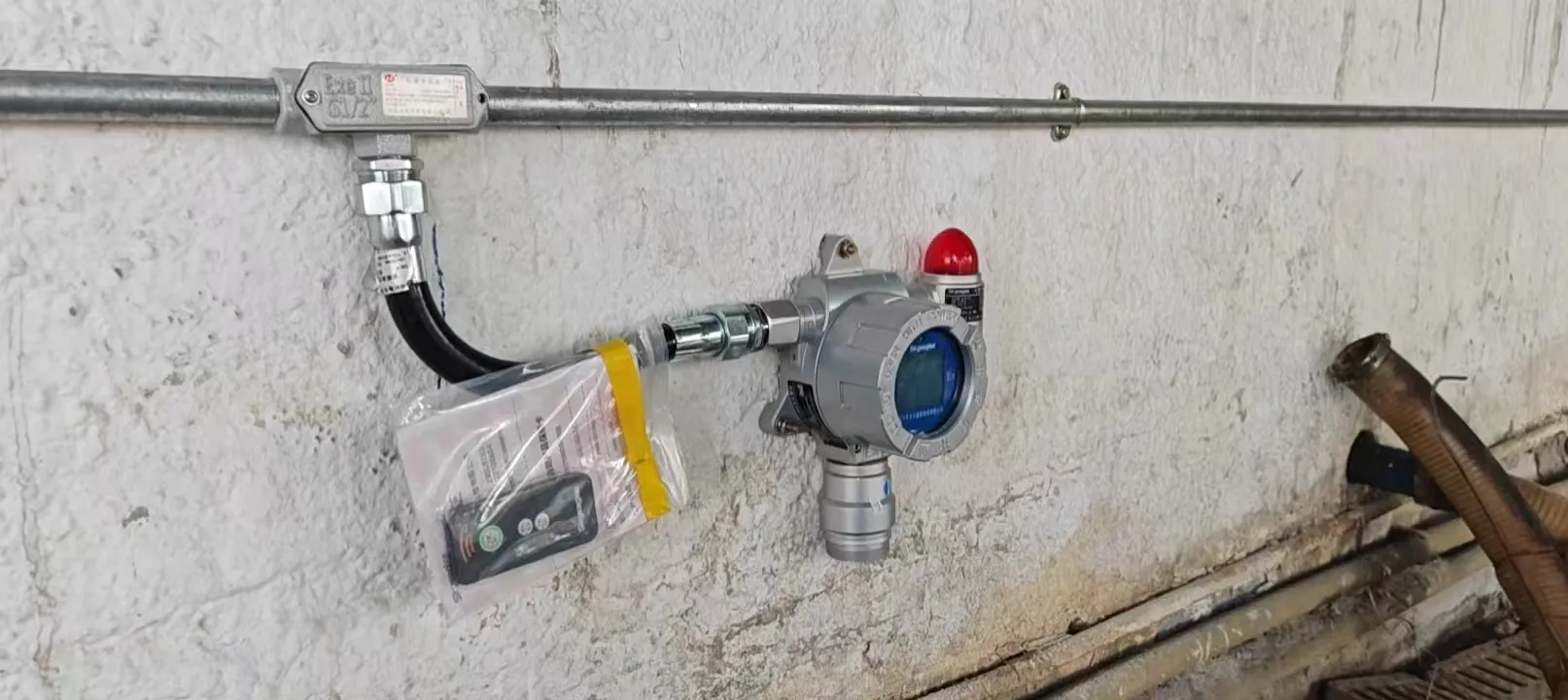
After a comprehensive site audit, the client implemented a layered safety system centered on fixed cl2 gas detector units, optimized for the unique dynamics of water treatment plants:
Sensor technology: Each unit was equipped with a highly sensitive electrochemical sensor, calibrated to a 0-50ppm detection range—ideal for capturing both minor leaks and major releases. As a specialized Chlorine Gas Detector, it delivered accurate readings even in the high-humidity, corrosive environment of the plant.
Strategic placement: 15 fixed Chlorine Detector devices were installed at critical risk points:
Six units in the chlorine cylinder storage room, near valve connections and pressure relief valves
Four units in the chlorination room, around evaporators and injection pipelines
Three units in low-lying utility trenches, where chlorine is most likely to accumulate
Two units at entry points to processing areas, to alert personnel before entering contaminated zones
Data transmission and integration: Every cl2 gas detector transmitted real-time concentration data via a 4-20mA analog signal to the plant’s central control system. This industrial-grade signal ensured reliable communication even in the plant’s high-vibration environment. The system was also integrated with a multi gas detector panel in the control room, allowing operators to monitor chlorine levels alongside other hazardous gases such as hydrogen sulfide from wastewater treatment.
Automated response triggers: The system was programmed to issue a visual and audio alert when chlorine levels reached 8ppm (warning threshold) and activate emergency ventilation fans plus automatic cylinder isolation valves at 15ppm (action threshold). This ensured rapid mitigation of accumulating chlorine before it reached dangerous levels.
Operational Outcomes & Client Feedback
Since the system went live, the plant has achieved transformative improvements in safety, compliance, and operational resilience:
Proactive leak mitigation: During a routine maintenance cycle, a cl2 gas detector near an evaporator detected a seal failure, triggering an alert at 12ppm. The automated ventilation system activated within 2 seconds, and the cylinder isolation valve closed 10 seconds later. Chlorine concentrations dropped to 2ppm within 5 minutes, preventing personnel exposure and a potential plant shutdown.
Continuous regulatory compliance: The 4-20mA signal’s stable data transmission enabled the plant to generate automated, time-stamped reports of chlorine levels, which were submitted to environmental authorities to demonstrate adherence to détecteur de gaz safety standards. This eliminated costly compliance audits and potential fines.
Enhanced staff confidence: Operators report that the Chlorine Gas Detector network has reduced their reliance on manual inspections, allowing them to focus on process optimization. The control room’s multi gas detector panel provides a unified view of hazards, simplifying decision-making during incidents.
Operational stability: The system has reduced unplanned shutdowns by 75% by identifying leaks early, ensuring uninterrupted water supply to the community and minimizing revenue loss.
In a post-implementation interview, the plant’s safety manager noted, “Our fixed Chlorine Detector system has turned a reactive safety process into a proactive one. The 4-20mA signal reliability and automated response mean we never miss a potential leak—our team can work with confidence, knowing the cl2 gas detector network has their backs.”
Case Conclusion
This case demonstrates the critical role of fixed Chlorine Gas Detector systems in safeguarding water treatment infrastructure. By combining specialized cl2 gas detector technology, strategic placement, and 4-20mA data integration with a multi gas detector panel, the client transformed a high-risk environment into a monitored, compliant operation.
For water treatment plants and other facilities handling chlorine, the key takeaway is clear: relying on portable Chlorine Detector devices is insufficient to mitigate toxic gas risks. A dedicated network of fixed Chlorine Gas Detector units, aligned with détecteur de gaz safety standards, is essential to protecting personnel, meeting regulatory requirements, and ensuring uninterrupted community water supply.
Real-World Application Case: Fixed Chlorine Gas Detectors Safeguard Water Treatment Plant Safety
Chlorine is a widely used disinfectant in municipal water treatment, valued for its efficiency in killing pathogens and oxidizing contaminants in both drinking water and wastewater systems. However, chlorine is a highly toxic and corrosive gas that poses severe risks to personnel even at low concentrations. This case explores how a municipal water treatment plant implemented a network of fixed Chlorine Gas Detector systems to prevent chlorine leaks, protect staff, and maintain uninterrupted operations.
Client Background & Core Safety Challenges
The client operates a water treatment facility that processes 50,000 cubic meters of drinking water daily, serving a local population of 120,000. The plant relies on liquid chlorine stored in 1-ton cylinders, which are vaporized and injected into water streams for disinfection. Before upgrading their safety systems, the facility faced critical risks:
Hidden leak hazards: Chlorine leaks often occurred at cylinder valves, evaporator seals, or pipeline joints. Since chlorine is denser than air, it accumulated in low-lying utility trenches and equipment gaps, where manual inspections frequently missed it.
Reactive monitoring limitations: The team relied on portable Chlorine Detector devices for weekly spot checks, which failed to provide real-time data. By the time a leak was identified, concentrations could already exceed safe exposure limits.
Regulatory pressure: Local environmental agencies mandated continuous monitoring of chlorine storage and handling areas, with strict penalties for non-compliance. The plant’s manual inspection process did not meet these requirements, and they needed a solution aligned with international détecteur de gaz performance standards.
Operational disruption: A single undetected leak could trigger a full plant shutdown, disrupting water supply to the community and incurring significant repair costs.
Tailored Solution: Fixed Chlorine Detector Deployment
After a comprehensive site audit, the client implemented a layered safety system centered on fixed cl2 gas detector units, optimized for the unique dynamics of water treatment plants:
Sensor technology: Each unit was equipped with a highly sensitive electrochemical sensor, calibrated to a 0-50ppm detection range—ideal for capturing both minor leaks and major releases. As a specialized Chlorine Gas Detector, it delivered accurate readings even in the high-humidity, corrosive environment of the plant.
Strategic placement: 15 fixed Chlorine Detector devices were installed at critical risk points:
Six units in the chlorine cylinder storage room, near valve connections and pressure relief valves
Four units in the chlorination room, around evaporators and injection pipelines
Three units in low-lying utility trenches, where chlorine is most likely to accumulate
Two units at entry points to processing areas, to alert personnel before entering contaminated zones
Data transmission and integration: Every cl2 gas detector transmitted real-time concentration data via a 4-20mA analog signal to the plant’s central control system. This industrial-grade signal ensured reliable communication even in the plant’s high-vibration environment. The system was also integrated with a multi gas detector panel in the control room, allowing operators to monitor chlorine levels alongside other hazardous gases such as hydrogen sulfide from wastewater treatment.
Automated response triggers: The system was programmed to issue a visual and audio alert when chlorine levels reached 8ppm (warning threshold) and activate emergency ventilation fans plus automatic cylinder isolation valves at 15ppm (action threshold). This ensured rapid mitigation of accumulating chlorine before it reached dangerous levels.
Operational Outcomes & Client Feedback
Since the system went live, the plant has achieved transformative improvements in safety, compliance, and operational resilience:
Proactive leak mitigation: During a routine maintenance cycle, a cl2 gas detector near an evaporator detected a seal failure, triggering an alert at 12ppm. The automated ventilation system activated within 2 seconds, and the cylinder isolation valve closed 10 seconds later. Chlorine concentrations dropped to 2ppm within 5 minutes, preventing personnel exposure and a potential plant shutdown.
Continuous regulatory compliance: The 4-20mA signal’s stable data transmission enabled the plant to generate automated, time-stamped reports of chlorine levels, which were submitted to environmental authorities to demonstrate adherence to détecteur de gaz safety standards. This eliminated costly compliance audits and potential fines.
Enhanced staff confidence: Operators report that the Chlorine Gas Detector network has reduced their reliance on manual inspections, allowing them to focus on process optimization. The control room’s multi gas detector panel provides a unified view of hazards, simplifying decision-making during incidents.
Operational stability: The system has reduced unplanned shutdowns by 75% by identifying leaks early, ensuring uninterrupted water supply to the community and minimizing revenue loss.
In a post-implementation interview, the plant’s safety manager noted, “Our fixed Chlorine Detector system has turned a reactive safety process into a proactive one. The 4-20mA signal reliability and automated response mean we never miss a potential leak—our team can work with confidence, knowing the cl2 gas detector network has their backs.”
Case Conclusion
This case demonstrates the critical role of fixed Chlorine Gas Detector systems in safeguarding water treatment infrastructure. By combining specialized cl2 gas detector technology, strategic placement, and 4-20mA data integration with a multi gas detector panel, the client transformed a high-risk environment into a monitored, compliant operation.
For water treatment plants and other facilities handling chlorine, the key takeaway is clear: relying on portable Chlorine Detector devices is insufficient to mitigate toxic gas risks. A dedicated network of fixed Chlorine Gas Detector units, aligned with détecteur de gaz safety standards, is essential to protecting personnel, meeting regulatory requirements, and ensuring uninterrupted community water supply.
no data
Contact Us





Fill out the form