

Case studies of industrial dust control projects
Release time:2025-10-27
Source:ㅤ
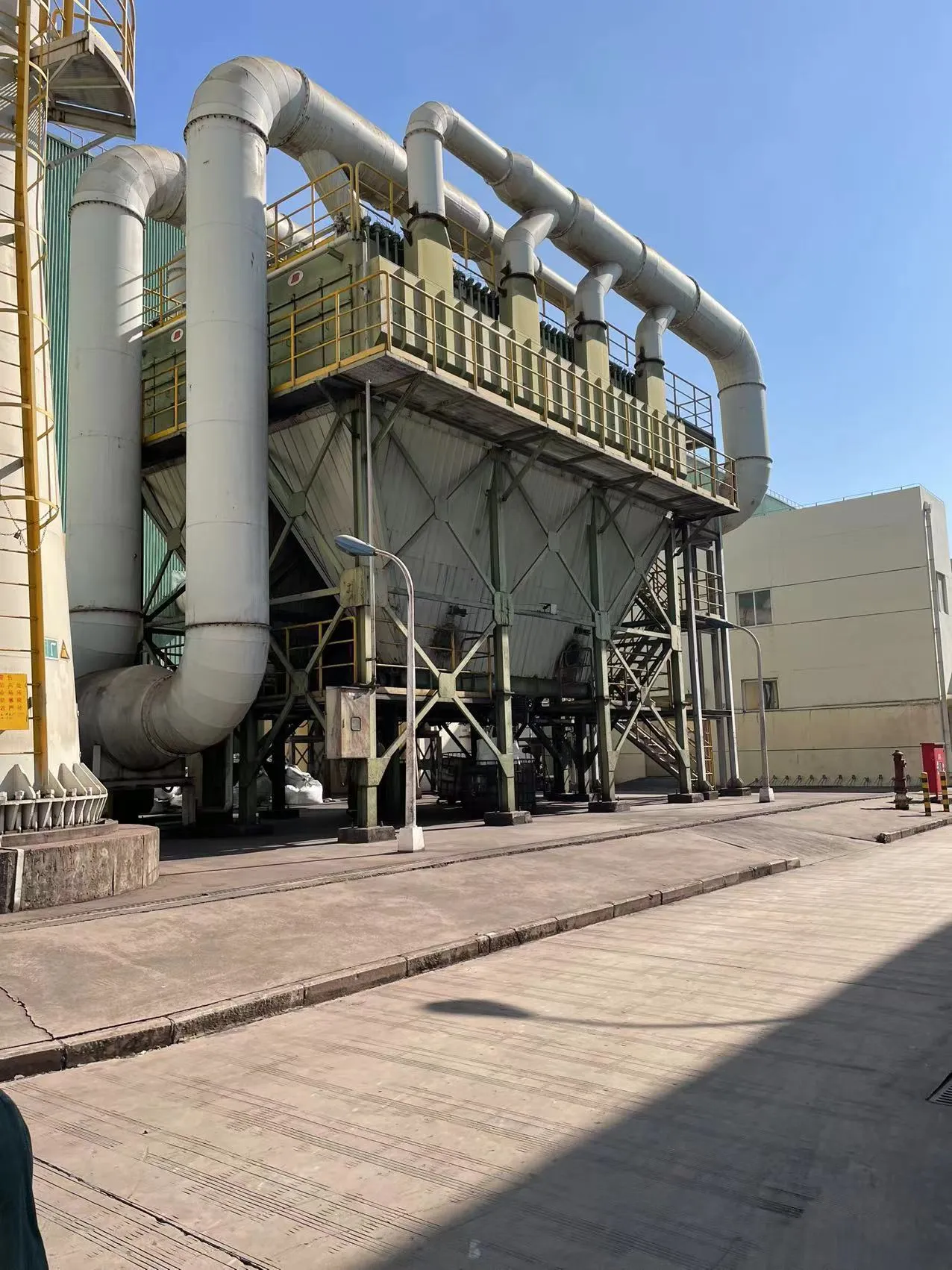
I. Industrial Dust Control Project
Although such scenarios focus on "dust control", the production process (such as chemical reactions, fuel combustion, material evaporation) or equipment operation (such as high-temperature oxidation of bag filters, pipeline leakage) may be accompanied by the generation of toxic and harmful gases. If not detected in time, it can easily cause risks such as personnel poisoning and explosion. At the same time, it is also necessary to ensure that the treated exhaust gas is discharged up to standard through detection. Therefore, gas detectors are key tools for ensuring personnel safety, equipment stability and environmental compliance.
II.Types of gases to be prioritized for detection (classified by risk priority)
1. Toxic and harmful gases (ensuring personnel safety)
Carbon monoxide (CO)
Source: If the treatment project involves fuel combustion (such as heating in a supporting boiler) or incomplete oxidation of materials (such as high-temperature spontaneous combustion of dust accumulation), carbon monoxide is likely to be produced. Some chemical dust (such as coal dust and plastic dust) will also release CO when decomposed in a closed pipeline due to lack of oxygen.
Hazard: Colorless and odorless, mild poisoning can cause headache and nausea, while severe poisoning can lead to coma or even death. It is an "invisible killer" level gas in this scenario.
Hydrogen sulfide (H₂S)
Source: If the dust to be treated comes from industries such as chemical engineering, pharmaceuticals, and printing and dyeing (such as dust from sulfur-containing raw materials or drying dust after wastewater treatment), or if microorganisms decompose organic matter during the accumulation of dust, hydrogen sulfide may be produced.
Hazard: It has a smell of rotten eggs. At low concentrations, it irritates the respiratory tract and eyes. At high concentrations (> 100ppm), it can instantly paralyze the respiratory center, causing a "lightning" death. Moreover, the sense of smell will rapidly fail as the concentration increases, making it impossible to judge risks based on odor.
Volatile organic compounds (VOCs)
Source: If the dust being processed is from industries such as plastics, rubber, coatings, and inks (such as PVC dust and resin dust), volatile organic compounds tend to adhere to the surface of such dust. During high-temperature operation of the equipment (such as heating and cleaning of dust collectors), VOCs (such as benzene, toluene, and xylene) will be released and volatilized.
Harm: Long-term exposure can damage the nervous system and respiratory system. Some components (such as benzene) are carcinogenic and are also important precursors of ozone pollution and PM2.5. It is necessary to conduct tests to ensure that emissions meet standards.
2. Flammable and Explosive gases (Preventing explosion risks)
Hydrocarbon gases such as methane (CH₄) and propane (C₃H₈) :
Source: If the dust control project is equipped with a fuel supply system (such as a natural gas heating device), or if it deals with dust from the oil and gas industry (such as petroleum coke dust, oil and gas field dust), there may be leakage of hydrocarbon gases. Some dust (such as biomass dust) can also produce methane during fermentation.
Hazard: When this type of gas mixes with air and reaches the "explosive limit" (such as 1.5%LEL-15%LEL for methane), it can cause an explosion upon encountering electric sparks from equipment (such as motors, sensors) or high temperatures (such as high temperatures during dust removal in dust collectors), with extremely strong destructive power.
3. Oxygen (O₂) (assisting in determining a safe environment)
Detection purpose: Although it is not a "harmful gas", industrial dust control equipment is mostly in a closed space (such as the dust collector box, inside the pipeline). If dust accumulates and blocks the ventilation opening, or if an oxygen-consuming reaction occurs inside the pipeline (such as dust oxidation), it will lead to a decrease in oxygen concentration (below 19.5%VOL is an oxygen-deficient environment), and personnel are prone to suffocation when entering for maintenance. At the same time, an excessively high oxygen concentration (above 23.5%VOL) will increase the risk of combustion and explosion of dust and gases.
Detection requirements: It is necessary to detect simultaneously with toxic, flammable and explosive gases to ensure that the oxygen concentration is within the safe range of 19.5%VOL-23.5%VOL.
III. Correct Usage Methods of Gas Detectors (Operating by Scenario)
1. Daily inspection usage (exterior and surrounding areas of the equipment)
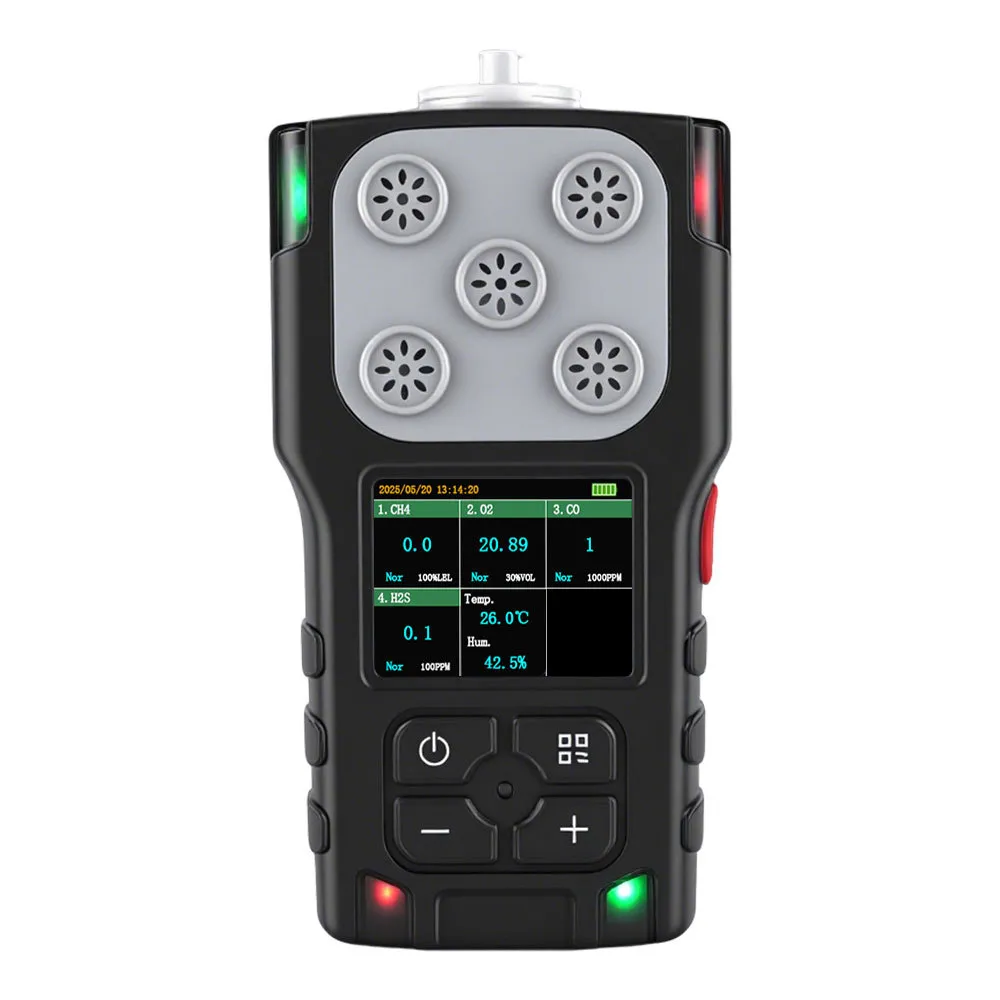
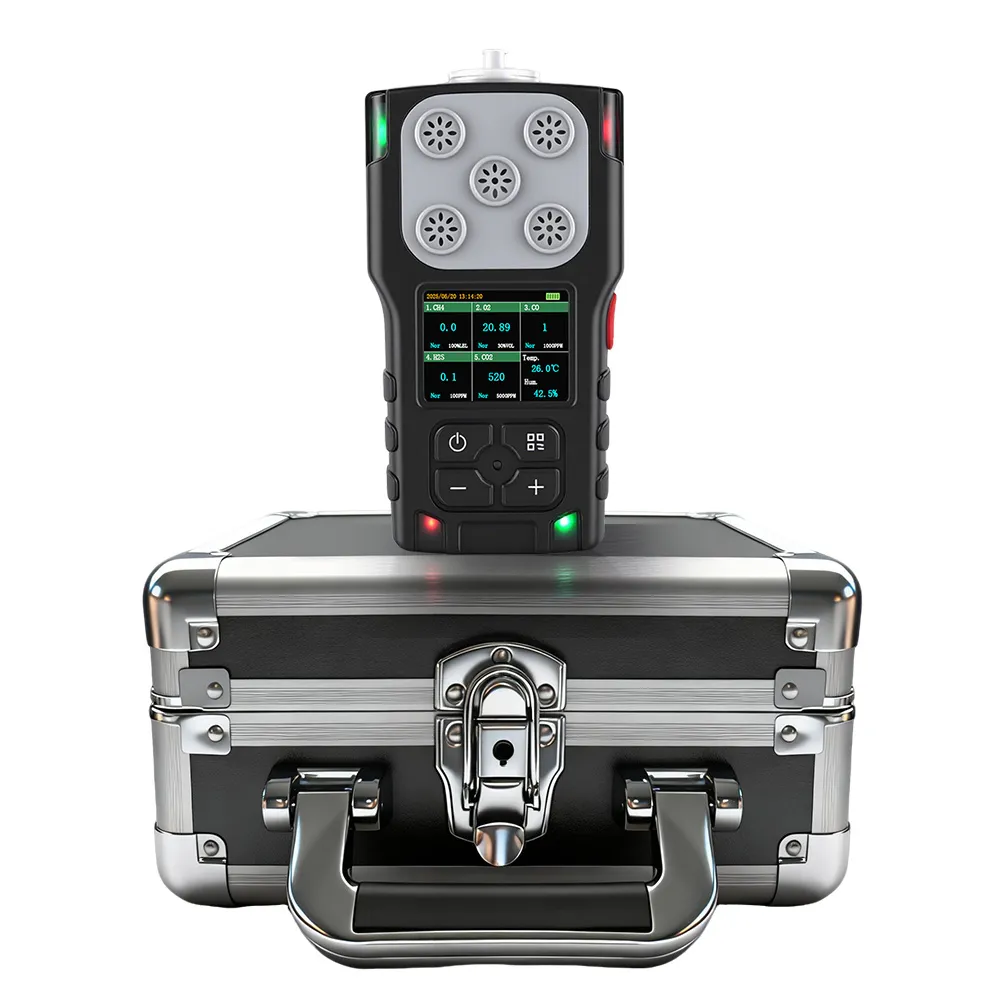
Equipment selection: Portable multi-gas detectors are preferred (capable of simultaneously detecting CO, H₂S, VOCs, O₂, methane, etc., meeting industrial explosion-proof standards, small in size, light in weight, and convenient for inspection personnel to carry).
Operation steps
① Pre-startup inspection: Confirm that the detector is fully charged (≥80%), the sensor is undamaged, the air inlet is not blocked, and the calibration validity period is within 3 months (if it exceeds this period, recalibration is required to avoid data deviation).
② Power-on self-check: Press and hold the power-on button for a long time, and wait for the device to complete the self-check of the sensor and sound and light alarm functions (if an error is reported, stop the machine for investigation; do not force its use).
③ On-site inspection: The inspection route covers key areas such as the inlet and outlet pipelines of the dust collector, the fan room, the fuel supply valve group, and the VOCs adsorption device. Each inspection point is stayed at for 30 to 60 seconds to ensure stable data. When conducting the detection, keep the air inlet of the detector facing upwards (to avoid dust blockage), and maintain a distance of 10-20cm from the suspected leakage point (do not directly touch the surface of the equipment to prevent high temperature from damaging the sensor).
④ Data recording: If the detected value is within the "safety threshold", record the detection time, location and value. If the threshold is approached (such as reaching 80% of the threshold), the frequency of detection needs to be increased. If the threshold is exceeded, an audible and visual alarm will be triggered immediately. Personnel must be evacuated, relevant equipment turned off, and the source of the leakage identified before conducting further detection.
2. Maintenance and use in confined Spaces (inside the dust collector box and pipelines)
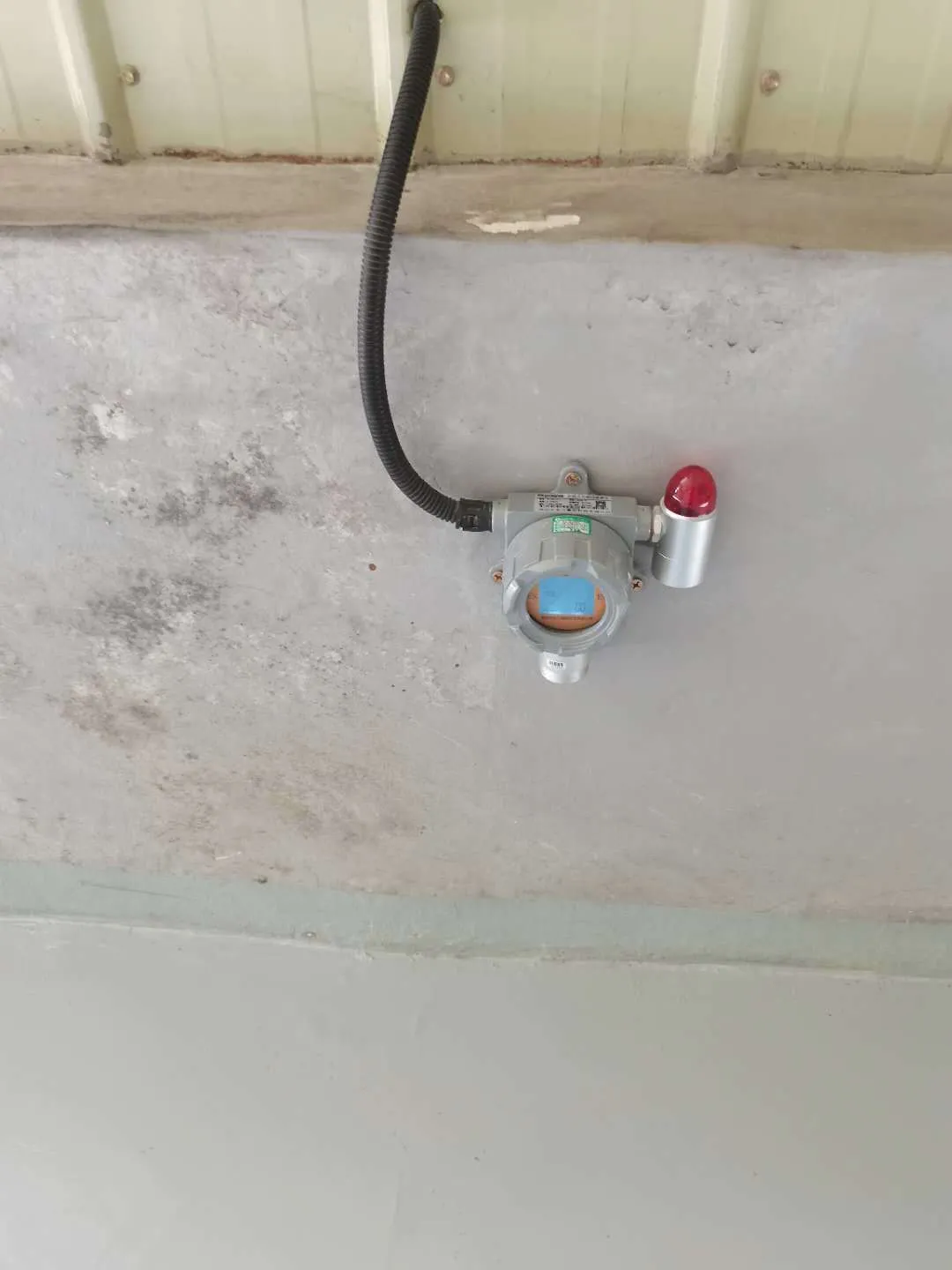
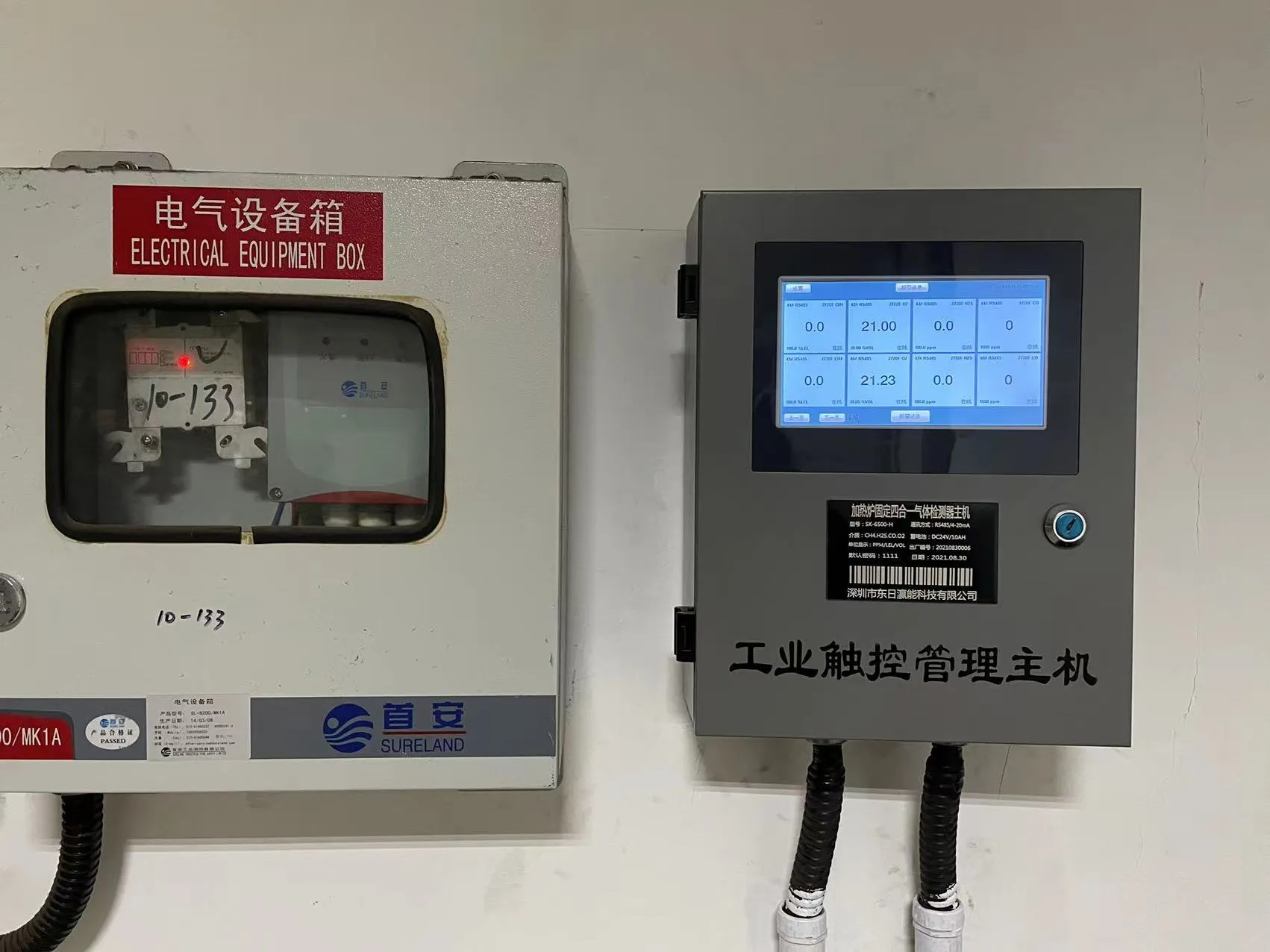
Equipment selection: In addition to the portable detector, a fixed gas detection alarm (installed at the entrance and key positions inside the confined space, transmitting data in real time to the central control room and supporting remote alarm) must also be provided. Moreover, the detector should have a "pump suction sampling" function (capable of sampling deep into the pipeline to avoid detection lag after personnel enter).
Operation steps
① Pretreatment: One hour before maintenance, turn off the power of the dust collector and related equipment, and open the ventilation port of the box for 20 minutes to reduce the initial gas concentration.
② Remote sampling: Insert the sampling tube of the pump suction detector into the interior of a closed space (deeply covering the personnel operation area), and continuously sample for 5 to 10 minutes to observe the changes in the data. If the oxygen concentration is less than 19.5% or toxic gases exceed the standard, the ventilation time should be extended or forced ventilation equipment (such as axial flow fans) should be used to replace the air until the data meets the standards.
③ Personnel supervision: When personnel enter for maintenance, they must carry portable detection devices (with a threshold of 80% for "first-level alarm" and 100% for "second-level alarm"). At the same time, external supervisors should be arranged to check the data of the fixed alarm in the central control room every 5 minutes. If an alarm is triggered, internal personnel should be immediately notified to evacuate via walkie-talkie.
④ Conclusion of inspection: After the maintenance is completed, personnel should evacuate the confined space. Before closing the ventilation openings, samples should be taken again with the detector for inspection. Only after confirming that there is no residual gas can the equipment be started.
Iv. Precautions for Use (To Avoid Detection Failure or Safety Accidents)
Sensor maintenance: In dusty environments, the air inlet of the sensor is prone to clogging. It is necessary to gently blow and wash the air inlet with compressed air (pressure ≤0.3MPa) every week. If high-concentration dust is detected, the sensor should be cleaned in time to avoid dust adhesion affecting the detection accuracy. The lifespan of CO and H₂S sensors is typically 2 to 3 years, while that of VOCs sensors is 1 to 2 years. They need to be replaced in a timely manner upon expiration. After replacement, they should be recalibrated (you can contact the manufacturer or a third-party institution for calibration and keep the calibration report).
Environmental adaptation: Prevent high temperatures from damaging the sensor; If the environmental humidity is high (such as during the rainy season), it is necessary to regularly check whether the interior of the detector is damp to prevent circuit failures.
Emergency response: If a level two alarm is triggered during detection, immediately evacuate to the upwind area (to avoid inhaling toxic gases), wear a gas mask (such as a positive pressure air breathing apparatus), and then check for the leakage point (such as checking whether the pipe interface is loose, whether the valve is leaking, and whether the cloth bag is damaged causing gas leakage). If poisoning is found, immediately move to a well-ventilated area, call the emergency number, and cut off the source of leakage at the same time.
 |
 |
 |
 |
 |
 |
I. Industrial Dust Control Project
Although such scenarios focus on "dust control", the production process (such as chemical reactions, fuel combustion, material evaporation) or equipment operation (such as high-temperature oxidation of bag filters, pipeline leakage) may be accompanied by the generation of toxic and harmful gases. If not detected in time, it can easily cause risks such as personnel poisoning and explosion. At the same time, it is also necessary to ensure that the treated exhaust gas is discharged up to standard through detection. Therefore, gas detectors are key tools for ensuring personnel safety, equipment stability and environmental compliance.
II.Types of gases to be prioritized for detection (classified by risk priority)
1. Toxic and harmful gases (ensuring personnel safety)
Carbon monoxide (CO)
Source: If the treatment project involves fuel combustion (such as heating in a supporting boiler) or incomplete oxidation of materials (such as high-temperature spontaneous combustion of dust accumulation), carbon monoxide is likely to be produced. Some chemical dust (such as coal dust and plastic dust) will also release CO when decomposed in a closed pipeline due to lack of oxygen.
Hazard: Colorless and odorless, mild poisoning can cause headache and nausea, while severe poisoning can lead to coma or even death. It is an "invisible killer" level gas in this scenario.
Hydrogen sulfide (H₂S)
Source: If the dust to be treated comes from industries such as chemical engineering, pharmaceuticals, and printing and dyeing (such as dust from sulfur-containing raw materials or drying dust after wastewater treatment), or if microorganisms decompose organic matter during the accumulation of dust, hydrogen sulfide may be produced.
Hazard: It has a smell of rotten eggs. At low concentrations, it irritates the respiratory tract and eyes. At high concentrations (> 100ppm), it can instantly paralyze the respiratory center, causing a "lightning" death. Moreover, the sense of smell will rapidly fail as the concentration increases, making it impossible to judge risks based on odor.
Volatile organic compounds (VOCs)
Source: If the dust being processed is from industries such as plastics, rubber, coatings, and inks (such as PVC dust and resin dust), volatile organic compounds tend to adhere to the surface of such dust. During high-temperature operation of the equipment (such as heating and cleaning of dust collectors), VOCs (such as benzene, toluene, and xylene) will be released and volatilized.
Harm: Long-term exposure can damage the nervous system and respiratory system. Some components (such as benzene) are carcinogenic and are also important precursors of ozone pollution and PM2.5. It is necessary to conduct tests to ensure that emissions meet standards.
2. Flammable and Explosive gases (Preventing explosion risks)
Hydrocarbon gases such as methane (CH₄) and propane (C₃H₈) :
Source: If the dust control project is equipped with a fuel supply system (such as a natural gas heating device), or if it deals with dust from the oil and gas industry (such as petroleum coke dust, oil and gas field dust), there may be leakage of hydrocarbon gases. Some dust (such as biomass dust) can also produce methane during fermentation.
Hazard: When this type of gas mixes with air and reaches the "explosive limit" (such as 1.5%LEL-15%LEL for methane), it can cause an explosion upon encountering electric sparks from equipment (such as motors, sensors) or high temperatures (such as high temperatures during dust removal in dust collectors), with extremely strong destructive power.
3. Oxygen (O₂) (assisting in determining a safe environment)
Detection purpose: Although it is not a "harmful gas", industrial dust control equipment is mostly in a closed space (such as the dust collector box, inside the pipeline). If dust accumulates and blocks the ventilation opening, or if an oxygen-consuming reaction occurs inside the pipeline (such as dust oxidation), it will lead to a decrease in oxygen concentration (below 19.5%VOL is an oxygen-deficient environment), and personnel are prone to suffocation when entering for maintenance. At the same time, an excessively high oxygen concentration (above 23.5%VOL) will increase the risk of combustion and explosion of dust and gases.
Detection requirements: It is necessary to detect simultaneously with toxic, flammable and explosive gases to ensure that the oxygen concentration is within the safe range of 19.5%VOL-23.5%VOL.
III. Correct Usage Methods of Gas Detectors (Operating by Scenario)
1. Daily inspection usage (exterior and surrounding areas of the equipment)
Equipment selection: Portable multi-gas detectors are preferred (capable of simultaneously detecting CO, H₂S, VOCs, O₂, methane, etc., meeting industrial explosion-proof standards, small in size, light in weight, and convenient for inspection personnel to carry).
Operation steps
① Pre-startup inspection: Confirm that the detector is fully charged (≥80%), the sensor is undamaged, the air inlet is not blocked, and the calibration validity period is within 3 months (if it exceeds this period, recalibration is required to avoid data deviation).
② Power-on self-check: Press and hold the power-on button for a long time, and wait for the device to complete the self-check of the sensor and sound and light alarm functions (if an error is reported, stop the machine for investigation; do not force its use).
③ On-site inspection: The inspection route covers key areas such as the inlet and outlet pipelines of the dust collector, the fan room, the fuel supply valve group, and the VOCs adsorption device. Each inspection point is stayed at for 30 to 60 seconds to ensure stable data. When conducting the detection, keep the air inlet of the detector facing upwards (to avoid dust blockage), and maintain a distance of 10-20cm from the suspected leakage point (do not directly touch the surface of the equipment to prevent high temperature from damaging the sensor).
④ Data recording: If the detected value is within the "safety threshold", record the detection time, location and value. If the threshold is approached (such as reaching 80% of the threshold), the frequency of detection needs to be increased. If the threshold is exceeded, an audible and visual alarm will be triggered immediately. Personnel must be evacuated, relevant equipment turned off, and the source of the leakage identified before conducting further detection.
2. Maintenance and use in confined Spaces (inside the dust collector box and pipelines)
Equipment selection: In addition to the portable detector, a fixed gas detection alarm (installed at the entrance and key positions inside the confined space, transmitting data in real time to the central control room and supporting remote alarm) must also be provided. Moreover, the detector should have a "pump suction sampling" function (capable of sampling deep into the pipeline to avoid detection lag after personnel enter).
Operation steps
① Pretreatment: One hour before maintenance, turn off the power of the dust collector and related equipment, and open the ventilation port of the box for 20 minutes to reduce the initial gas concentration.
② Remote sampling: Insert the sampling tube of the pump suction detector into the interior of a closed space (deeply covering the personnel operation area), and continuously sample for 5 to 10 minutes to observe the changes in the data. If the oxygen concentration is less than 19.5% or toxic gases exceed the standard, the ventilation time should be extended or forced ventilation equipment (such as axial flow fans) should be used to replace the air until the data meets the standards.
③ Personnel supervision: When personnel enter for maintenance, they must carry portable detection devices (with a threshold of 80% for "first-level alarm" and 100% for "second-level alarm"). At the same time, external supervisors should be arranged to check the data of the fixed alarm in the central control room every 5 minutes. If an alarm is triggered, internal personnel should be immediately notified to evacuate via walkie-talkie.
④ Conclusion of inspection: After the maintenance is completed, personnel should evacuate the confined space. Before closing the ventilation openings, samples should be taken again with the detector for inspection. Only after confirming that there is no residual gas can the equipment be started.
Iv. Precautions for Use (To Avoid Detection Failure or Safety Accidents)
Sensor maintenance: In dusty environments, the air inlet of the sensor is prone to clogging. It is necessary to gently blow and wash the air inlet with compressed air (pressure ≤0.3MPa) every week. If high-concentration dust is detected, the sensor should be cleaned in time to avoid dust adhesion affecting the detection accuracy. The lifespan of CO and H₂S sensors is typically 2 to 3 years, while that of VOCs sensors is 1 to 2 years. They need to be replaced in a timely manner upon expiration. After replacement, they should be recalibrated (you can contact the manufacturer or a third-party institution for calibration and keep the calibration report).
Environmental adaptation: Prevent high temperatures from damaging the sensor; If the environmental humidity is high (such as during the rainy season), it is necessary to regularly check whether the interior of the detector is damp to prevent circuit failures.
Emergency response: If a level two alarm is triggered during detection, immediately evacuate to the upwind area (to avoid inhaling toxic gases), wear a gas mask (such as a positive pressure air breathing apparatus), and then check for the leakage point (such as checking whether the pipe interface is loose, whether the valve is leaking, and whether the cloth bag is damaged causing gas leakage). If poisoning is found, immediately move to a well-ventilated area, call the emergency number, and cut off the source of leakage at the same time.
|
|
|
|
|
|
ㅤ
ㅤ
Contact Us





Fill out the form