

Industrial workshop wireless dust monitoring system operation plan
Release time:2024-04-18
Source:ㅤ
The dust detector wirelessly transmits to the host through LORA, and the host transmits the data to the LED large screen for display. At the same time, the host uploads data to the cloud platform through the 4G module, and the current concentration of dust can be viewed through the mobile phone or computer.
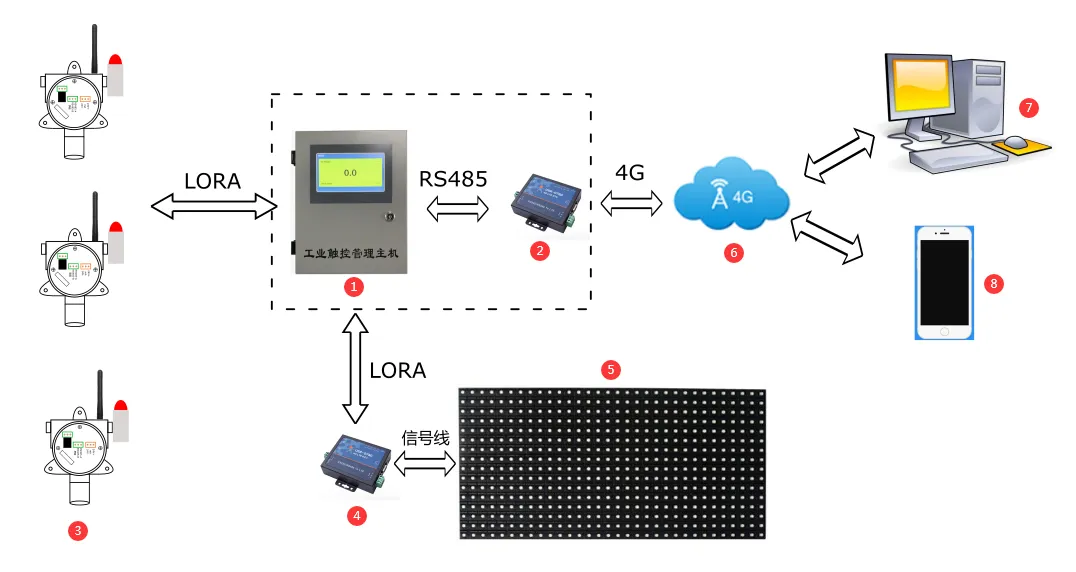
Figure 1 Basic structure of single-point dust monitoring display
The picture above shows the basic structure of a single-point dust monitoring display. The picture mainly contains 8 parts:
Alarm host; 4G module; Dust probe with LORA module; LED screen driver with LORA signal interception function; LED screen; Cloud platform; Internet-enabled personal computer; Mobile device.
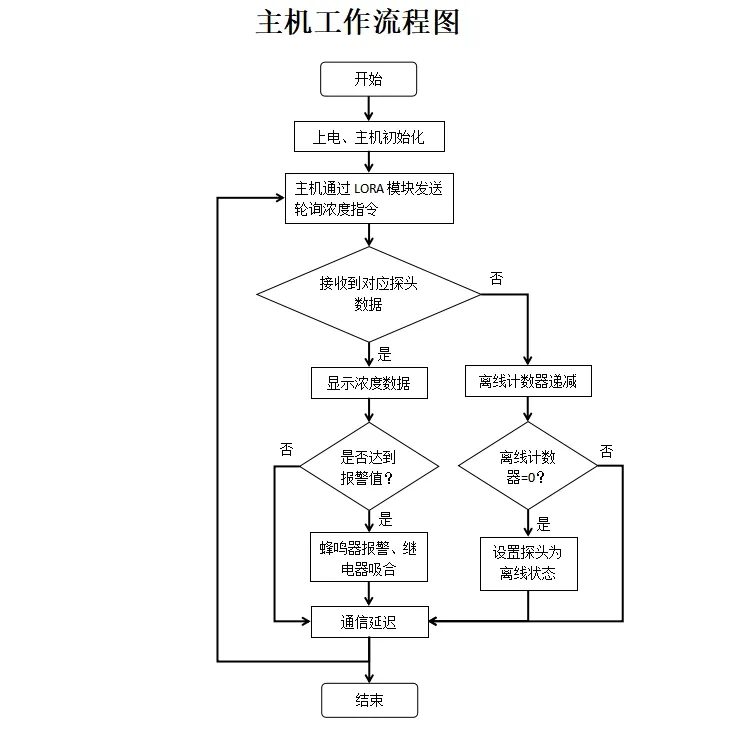
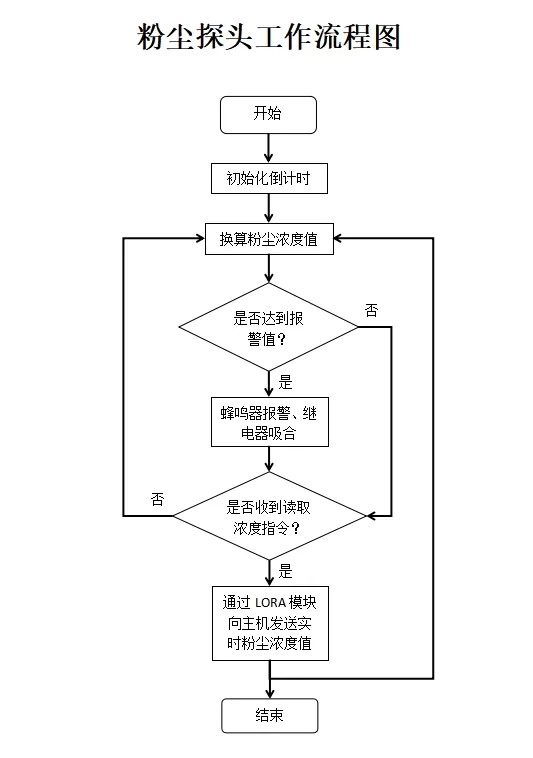
After the equipment is powered on, the alarm host cyclically sends concentration reading instructions to the enabled dust probes. After the corresponding dust probe receives the instruction to read its own concentration, it replies to the host with real-time concentration. At the same time, the LED screen driver with LORA signal interception function intercepts the data sent back and forth, analyzes and confirms the real-time concentration of which dust probe, and drives the LED screen to display it. When the cloud platform needs to read the real-time concentration of each dust probe, it will send a reading instruction to the alarm host through the 4G module. The read data will be stored in the database of the cloud platform for remote viewing and downloading. The cloud platform can also be set The alarm value and alarm contact are grouped. When the set alarm limit is reached, a WeChat message or mobile phone text message is sent to the set alarm contact.
Introduction to the functions of each component
The main functions of the alarm host are a: reading the real-time concentration data of the wireless dust probe through the built-in LORA module, and the communication protocol is ModbusRTU protocol; b: serving as a slave device of the 4G module, uploading real-time concentration data to the 4G module; c: local display Real-time concentration data; d: When the alarm value is reached, the control of fans and other equipment can be realized through internal relays.
4G module, by configuring parameters (see "Cloud Storage Mode Configuration Steps.pdf"), the cloud platform can be configured as a virtual ModbusRTU protocol host, and the ModbusRTU protocol instructions are sent to the alarm host through the 4G module to obtain the alarm host's status. Read back the real-time concentration data of the dust probe.
The main function of the dust probe with LORA module is to collect the surrounding dust concentration through its own sensor, which contains two parameters, PM2.5 (that is, the dust concentration within 2.5 microns) and PM10 (that is, the dust concentration within 10 microns, including PM2. 5), there is a normally open and a normally closed node inside, which can independently collect dust concentration and output alarm control signals.
LED screen driver with LORA signal interception function. First, set the LORA communication address in this module to the LORA address of the alarm host and dust probe in the same frequency band. When the alarm host reads the real-time concentration of the dust probe through the LORA module, this module can obtain the data sent by the alarm host to the dust probe. The data returned by the dust probes to the alarm host can also be obtained. By analyzing the intercepted data, it is possible to distinguish which dust probe has what concentration value, and then send drive instructions to the LED screen so that the real-time concentration of each probe is refreshed at a certain frequency. Displayed on the LED screen.
LED screen used to display real-time concentration data of each probe.
Cloud platform, this platform is a third-party platform, that is, the platform of 4G module manufacturers. It can store dust concentration data on the platform for one month and store it on a rolling basis. Therefore, if you want to do long-term data storage and analysis, please enter the platform in time to download and save ( See "Cloud Storage Mode Configuration Steps.pdf").
A personal computer with an Internet connection, either a desktop or a laptop, is acceptable. The main function is to remotely log in to the cloud platform account, view real-time concentration and historical data, download historical data, etc.
After binding your mobile device, mobile phone or tablet to WeChat (see "Cloud Storage Mode Configuration Steps.pdf"), follow the Renyun official account and log in to your account, you can also view real-time concentration data and historical data. Multiple alarm contacts can also be configured on the computer. When an over-limit alarm occurs, the cloud platform can send alarm information to the bound WeChat account or send alarm text messages to the bound mobile phone number.
What standards are implemented (which standards should be referred to)
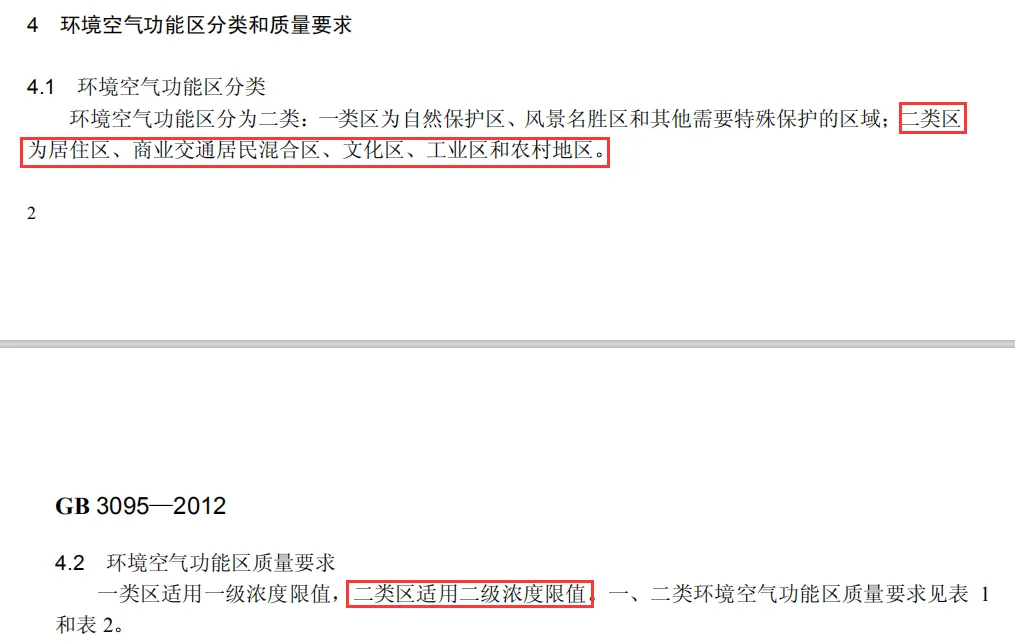
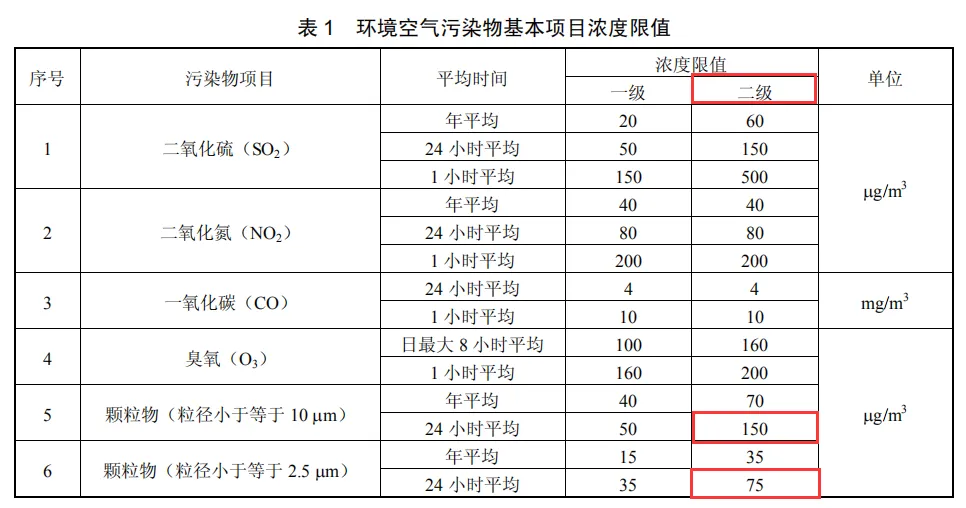
Standard reference "Ambient Air Quality Standard (GB3095-2012)"

The dust detector wirelessly transmits to the host through LORA, and the host transmits the data to the LED large screen for display. At the same time, the host uploads data to the cloud platform through the 4G module, and the current concentration of dust can be viewed through the mobile phone or computer.
Figure 1 Basic structure of single-point dust monitoring display
The picture above shows the basic structure of a single-point dust monitoring display. The picture mainly contains 8 parts:
Alarm host; 4G module; Dust probe with LORA module; LED screen driver with LORA signal interception function; LED screen; Cloud platform; Internet-enabled personal computer; Mobile device.
After the equipment is powered on, the alarm host cyclically sends concentration reading instructions to the enabled dust probes. After the corresponding dust probe receives the instruction to read its own concentration, it replies to the host with real-time concentration. At the same time, the LED screen driver with LORA signal interception function intercepts the data sent back and forth, analyzes and confirms the real-time concentration of which dust probe, and drives the LED screen to display it. When the cloud platform needs to read the real-time concentration of each dust probe, it will send a reading instruction to the alarm host through the 4G module. The read data will be stored in the database of the cloud platform for remote viewing and downloading. The cloud platform can also be set The alarm value and alarm contact are grouped. When the set alarm limit is reached, a WeChat message or mobile phone text message is sent to the set alarm contact.
Introduction to the functions of each component
The main functions of the alarm host are a: reading the real-time concentration data of the wireless dust probe through the built-in LORA module, and the communication protocol is ModbusRTU protocol; b: serving as a slave device of the 4G module, uploading real-time concentration data to the 4G module; c: local display Real-time concentration data; d: When the alarm value is reached, the control of fans and other equipment can be realized through internal relays.
4G module, by configuring parameters (see "Cloud Storage Mode Configuration Steps.pdf"), the cloud platform can be configured as a virtual ModbusRTU protocol host, and the ModbusRTU protocol instructions are sent to the alarm host through the 4G module to obtain the alarm host's status. Read back the real-time concentration data of the dust probe.
The main function of the dust probe with LORA module is to collect the surrounding dust concentration through its own sensor, which contains two parameters, PM2.5 (that is, the dust concentration within 2.5 microns) and PM10 (that is, the dust concentration within 10 microns, including PM2. 5), there is a normally open and a normally closed node inside, which can independently collect dust concentration and output alarm control signals.
LED screen driver with LORA signal interception function. First, set the LORA communication address in this module to the LORA address of the alarm host and dust probe in the same frequency band. When the alarm host reads the real-time concentration of the dust probe through the LORA module, this module can obtain the data sent by the alarm host to the dust probe. The data returned by the dust probes to the alarm host can also be obtained. By analyzing the intercepted data, it is possible to distinguish which dust probe has what concentration value, and then send drive instructions to the LED screen so that the real-time concentration of each probe is refreshed at a certain frequency. Displayed on the LED screen.
LED screen used to display real-time concentration data of each probe.
Cloud platform, this platform is a third-party platform, that is, the platform of 4G module manufacturers. It can store dust concentration data on the platform for one month and store it on a rolling basis. Therefore, if you want to do long-term data storage and analysis, please enter the platform in time to download and save ( See "Cloud Storage Mode Configuration Steps.pdf").
A personal computer with an Internet connection, either a desktop or a laptop, is acceptable. The main function is to remotely log in to the cloud platform account, view real-time concentration and historical data, download historical data, etc.
After binding your mobile device, mobile phone or tablet to WeChat (see "Cloud Storage Mode Configuration Steps.pdf"), follow the Renyun official account and log in to your account, you can also view real-time concentration data and historical data. Multiple alarm contacts can also be configured on the computer. When an over-limit alarm occurs, the cloud platform can send alarm information to the bound WeChat account or send alarm text messages to the bound mobile phone number.
What standards are implemented (which standards should be referred to)
Standard reference "Ambient Air Quality Standard (GB3095-2012)"
ㅤ
ㅤ
Contact Us




Fill out the form