

Case Study of Online Monitoring Project for Waste Gas in Environmental Protection and Industrial Production Parks
Release time:2025-11-10
Source:Skyeaglee case
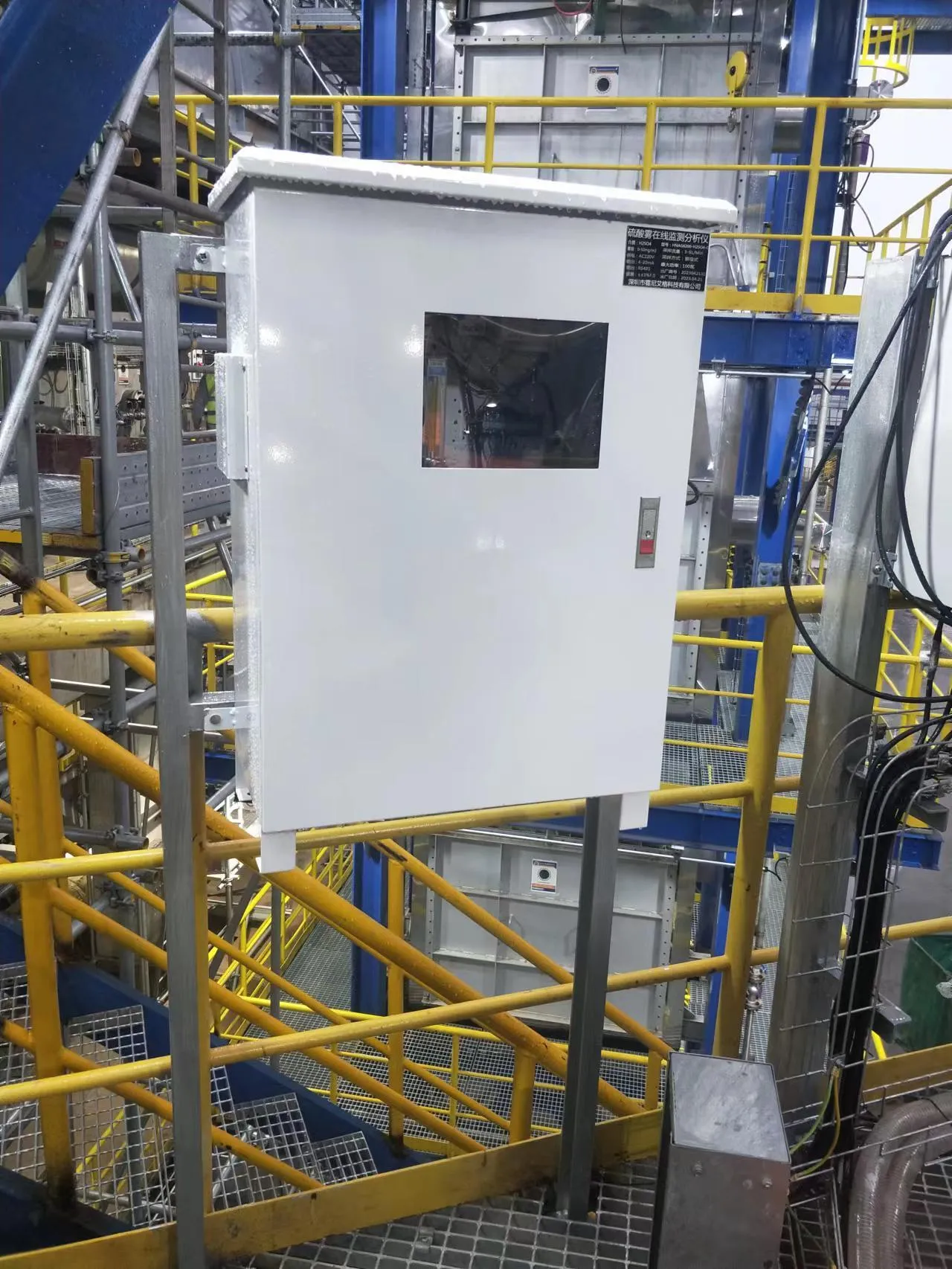
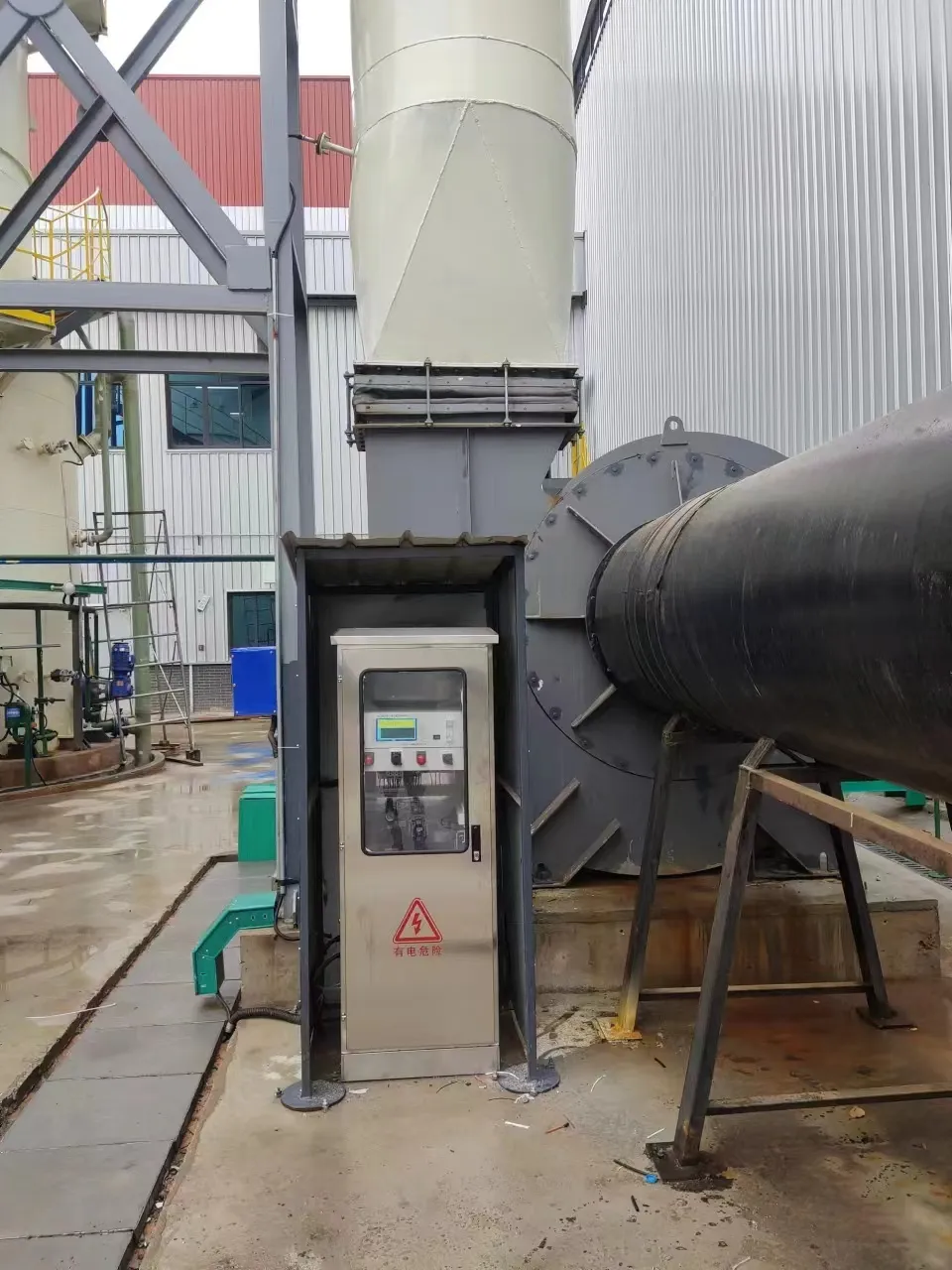
Many enterprises in the chemical industrial park have problems with the emission of organic waste gas, acidic gas, etc. The park has introduced online gas pretreatment devices and supporting monitoring systems to conduct real-time monitoring of pollutant concentrations at the exhaust gas outlets of each enterprise.
This project has achieved remarkable results: Firstly, it has accurately grasped the enterprise's pollutant discharge situation. After the device pre-treats the waste gas, the accuracy rate of the analyzer data has increased by over 90%, assisting the environmental protection department in promptly detecting excessive emission behaviors. Second, we have promoted the upgrading of pollution control by enterprises. Enterprises have optimized their waste gas treatment processes based on real-time monitoring data, and the overall rate of waste gas emissions meeting standards in the park has increased to 98%. Third, it has achieved intelligent supervision. By integrating monitoring information from various points through a data platform, it provides a scientific basis for environmental governance decisions in the park and effectively improves regional air quality.
 |
 |
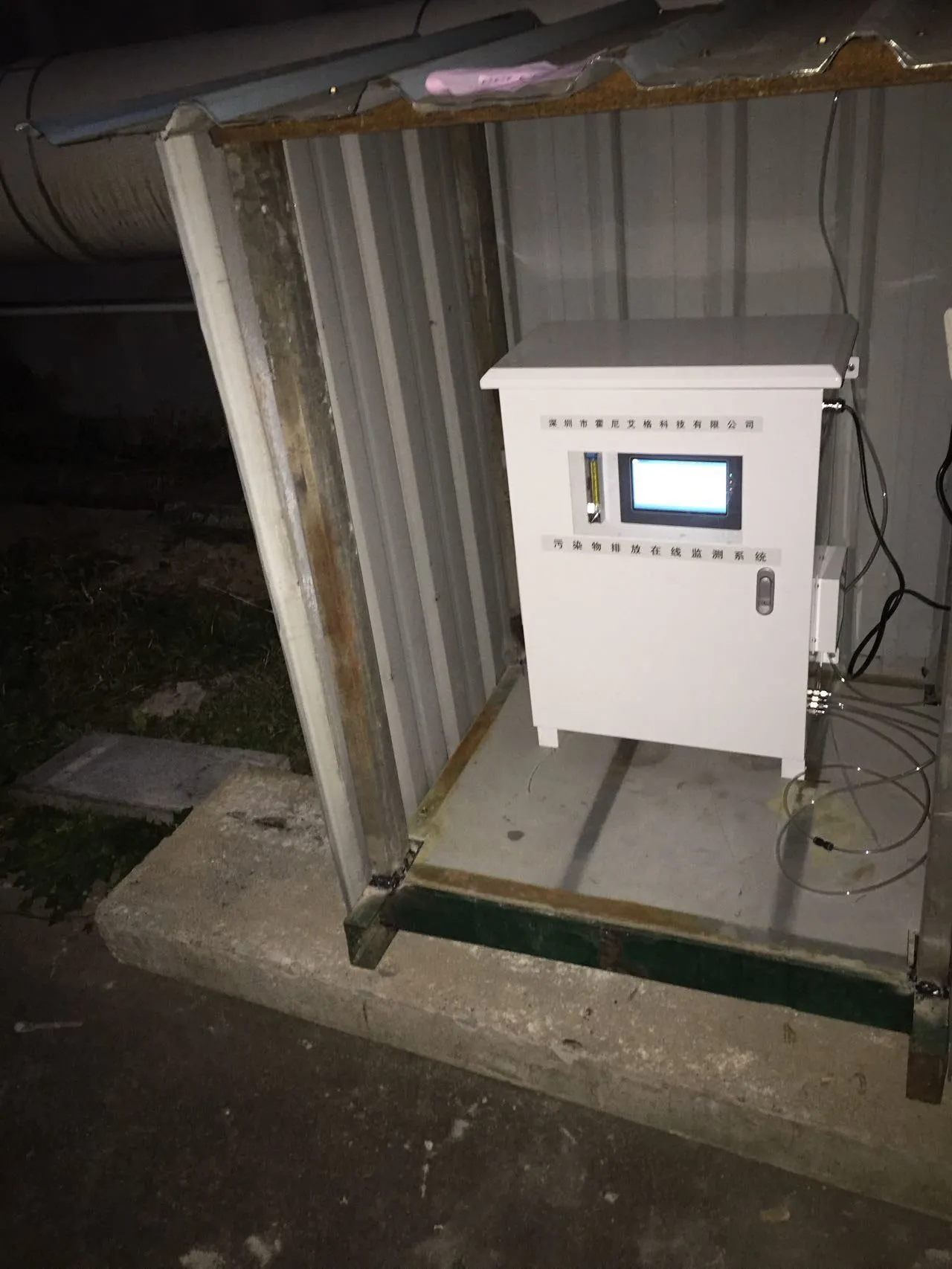 |
Many enterprises in the chemical industrial park have problems with the emission of organic waste gas, acidic gas, etc. The park has introduced online gas pretreatment devices and supporting monitoring systems to conduct real-time monitoring of pollutant concentrations at the exhaust gas outlets of each enterprise.
This project has achieved remarkable results: Firstly, it has accurately grasped the enterprise's pollutant discharge situation. After the device pre-treats the waste gas, the accuracy rate of the analyzer data has increased by over 90%, assisting the environmental protection department in promptly detecting excessive emission behaviors. Second, we have promoted the upgrading of pollution control by enterprises. Enterprises have optimized their waste gas treatment processes based on real-time monitoring data, and the overall rate of waste gas emissions meeting standards in the park has increased to 98%. Third, it has achieved intelligent supervision. By integrating monitoring information from various points through a data platform, it provides a scientific basis for environmental governance decisions in the park and effectively improves regional air quality.
|
|
|
ㅤ
ㅤ
Contact Us





Fill out the form