

He Gas Sensor Module in Laboratory Research
Release time:2026-01-25
Source:来源
Practical Application Case of He Gas Sensor Module in Laboratory Research
In modern laboratory research, accurate detection of helium (He) concentration is crucial for ensuring experimental accuracy, safety, and the reliability of research results. A research institute specializing in material science recently adopted our He gas sensor module to meet its experimental needs for He concentration monitoring, achieving efficient and precise gas detection throughout the research process.
The customer’s core demand was to detect He concentration in the experimental environment with a measurement range of 0-10%vol. As the experiment required strict control of gas components, the detection equipment needed to be not only accurate but also adaptable to the complex and limited space of the laboratory. After comprehensive comparison and testing, the customer selected our He gas sensor module as the core component of its gas detection system, which was perfectly integrated with the existing gas analyzer equipment in the laboratory.
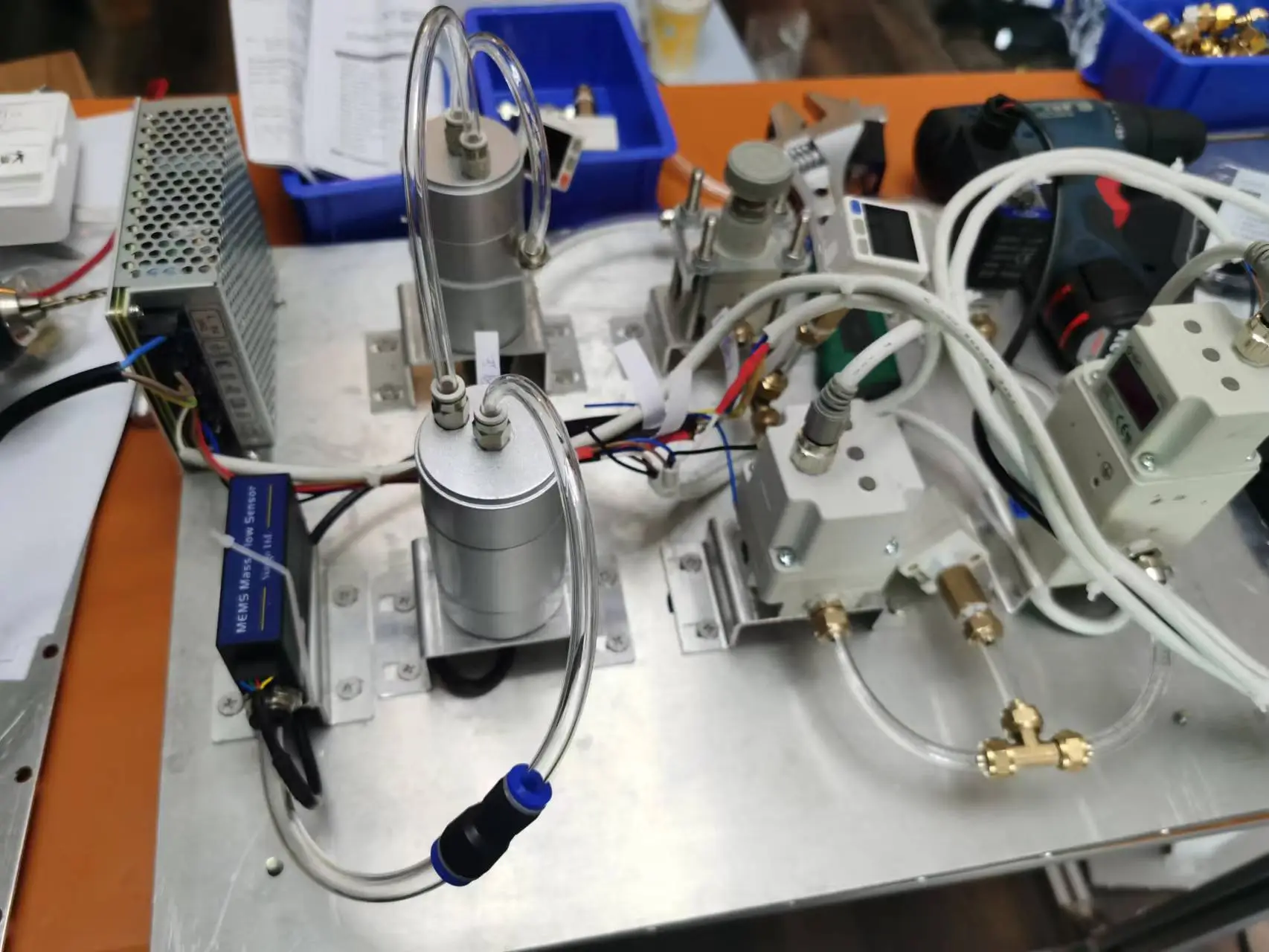
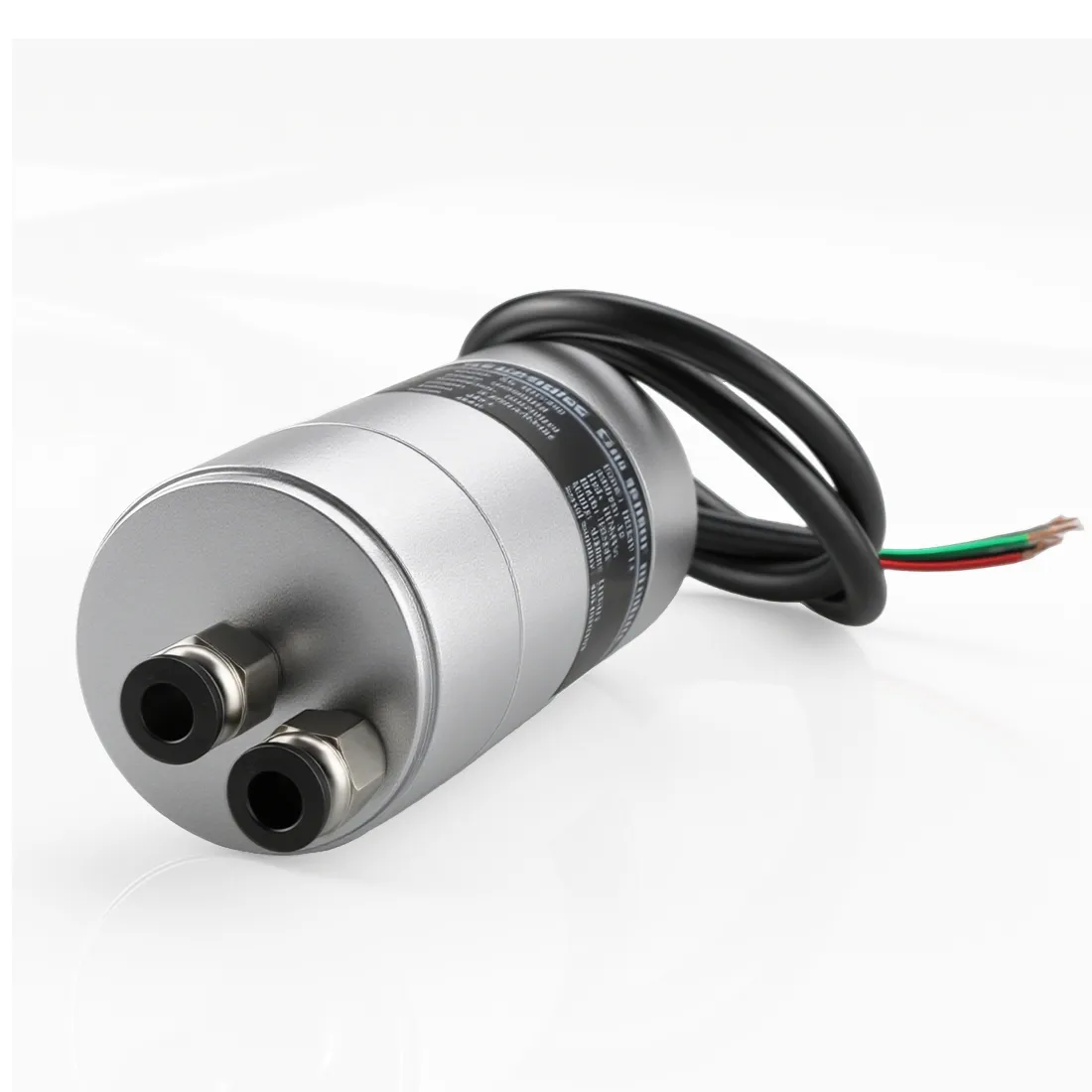
In the actual application scenario, the He gas sensor module is equipped with a gas chamber, which can be connected to a sampling tube for gas sampling at the detection point through diffusion sampling. This design effectively solves the problem of difficult sampling in narrow or fixed experimental areas, allowing the sensor to stably collect gas samples and ensure that the detected data truly reflects the actual He concentration in the experimental environment. Meanwhile, the module supports both RS485 and 4-20mA signal output, which greatly facilitates the customer’s debugging and data transmission—experimental personnel can easily connect the module to the laboratory’s data acquisition system, realizing real-time monitoring and recording of He concentration data.
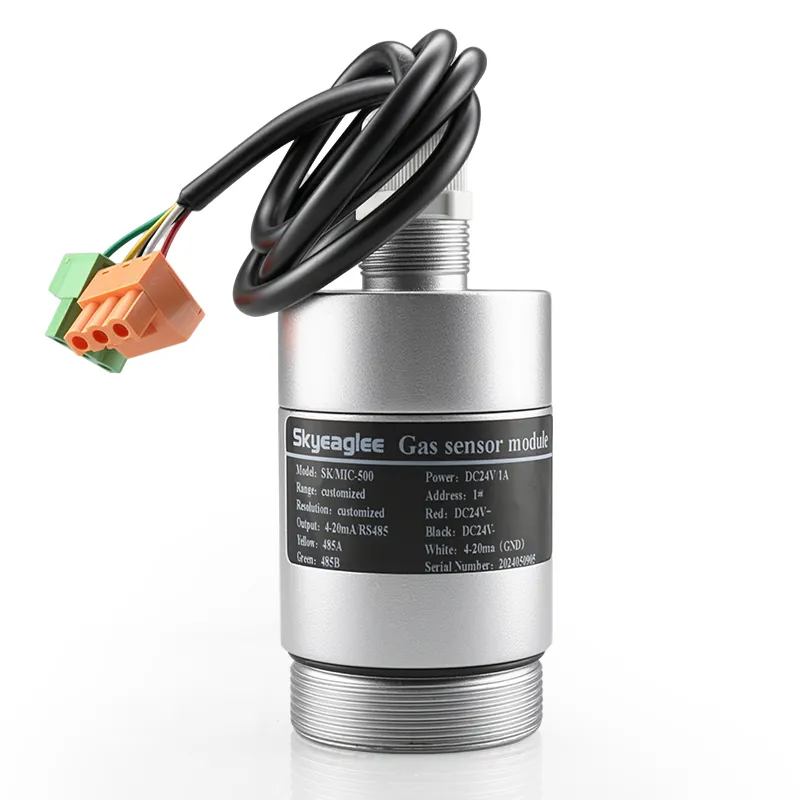
One of the most prominent advantages of this He gas sensor module is its compact size and light weight, which makes it easy to install and place in the limited laboratory space without occupying too much experimental area. The module adopts a professionally selected imported sensor, which uses thermal conductivity principle suitable for He detection, ensuring high precision and high resolution of detection data. In the customer’s actual use, the module showed a fast response speed, which can quickly feedback the He concentration change, providing timely data support for the experiment.
Another key advantage favored by the customer is that the module is accurately calibrated at the factory, eliminating the need for secondary calibration during use—this not only saves the customer’s time and labor costs but also avoids detection errors caused by incorrect calibration operations. In addition, the module has a data recovery function, which can effectively solve the trouble caused by misoperation, ensuring the continuity and integrity of experimental data. Its low power consumption design also allows it to be powered by a mobile power supply, which is convenient for flexible use in different experimental positions without being restricted by power sockets.
The customer stated that before adopting this module, they once faced the problem of unstable detection data of helium leak detector and complicated operation of detection equipment. After using our He gas sensor module, the detection work became simpler and more efficient—the precise circuit design and manufacturing process of the module ensure its stable operation, while the simple operation mode reduces the learning cost of experimental personnel. The module can also be connected to a computer for communication, and the customer can perform self-calibration and calibration according to actual needs, further improving the flexibility of use.
In summary, our He gas sensor module has perfectly met the customer’s He detection needs in laboratory research with its excellent performance and user-friendly design. It not only provides accurate, stable and real-time He concentration data for the experiment but also improves the efficiency of experimental work and reduces the operation burden of the staff. In the future, we will continue to optimize product performance, providing more reliable gas detection solutions for various laboratory research and industrial application scenarios.
 |
 |
Practical Application Case of He Gas Sensor Module in Laboratory Research
In modern laboratory research, accurate detection of helium (He) concentration is crucial for ensuring experimental accuracy, safety, and the reliability of research results. A research institute specializing in material science recently adopted our He gas sensor module to meet its experimental needs for He concentration monitoring, achieving efficient and precise gas detection throughout the research process.
The customer’s core demand was to detect He concentration in the experimental environment with a measurement range of 0-10%vol. As the experiment required strict control of gas components, the detection equipment needed to be not only accurate but also adaptable to the complex and limited space of the laboratory. After comprehensive comparison and testing, the customer selected our He gas sensor module as the core component of its gas detection system, which was perfectly integrated with the existing gas analyzer equipment in the laboratory.
In the actual application scenario, the He gas sensor module is equipped with a gas chamber, which can be connected to a sampling tube for gas sampling at the detection point through diffusion sampling. This design effectively solves the problem of difficult sampling in narrow or fixed experimental areas, allowing the sensor to stably collect gas samples and ensure that the detected data truly reflects the actual He concentration in the experimental environment. Meanwhile, the module supports both RS485 and 4-20mA signal output, which greatly facilitates the customer’s debugging and data transmission—experimental personnel can easily connect the module to the laboratory’s data acquisition system, realizing real-time monitoring and recording of He concentration data.
One of the most prominent advantages of this He gas sensor module is its compact size and light weight, which makes it easy to install and place in the limited laboratory space without occupying too much experimental area. The module adopts a professionally selected imported sensor, which uses thermal conductivity principle suitable for He detection, ensuring high precision and high resolution of detection data. In the customer’s actual use, the module showed a fast response speed, which can quickly feedback the He concentration change, providing timely data support for the experiment.
Another key advantage favored by the customer is that the module is accurately calibrated at the factory, eliminating the need for secondary calibration during use—this not only saves the customer’s time and labor costs but also avoids detection errors caused by incorrect calibration operations. In addition, the module has a data recovery function, which can effectively solve the trouble caused by misoperation, ensuring the continuity and integrity of experimental data. Its low power consumption design also allows it to be powered by a mobile power supply, which is convenient for flexible use in different experimental positions without being restricted by power sockets.
The customer stated that before adopting this module, they once faced the problem of unstable detection data of helium leak detector and complicated operation of detection equipment. After using our He gas sensor module, the detection work became simpler and more efficient—the precise circuit design and manufacturing process of the module ensure its stable operation, while the simple operation mode reduces the learning cost of experimental personnel. The module can also be connected to a computer for communication, and the customer can perform self-calibration and calibration according to actual needs, further improving the flexibility of use.
In summary, our He gas sensor module has perfectly met the customer’s He detection needs in laboratory research with its excellent performance and user-friendly design. It not only provides accurate, stable and real-time He concentration data for the experiment but also improves the efficiency of experimental work and reduces the operation burden of the staff. In the future, we will continue to optimize product performance, providing more reliable gas detection solutions for various laboratory research and industrial application scenarios.
no data
Contact Us





Fill out the form