

Gas leakage detection in petrochemical workshops: Monitoring solutions for flammable, explosive and toxic gases
Release time:2025-11-27
Source:Skyeaglee case
In petrochemical plant production scenarios, the risk of leaks involving media such as methane, acrylonitrile, and fluorine gas persists throughout the entire operation process of the equipment. These gases possess attributes of being flammable, explosive, or highly toxic. Once their concentration diffuses to threshold levels, they pose a direct threat to both equipment safety and personnel health.
The deployment of industrial-grade gas detectors (SK/MIC-600 series) must cover high-risk leakage areas such as reaction kettles, pipeline interfaces, and storage tank areas. Their core functions include: real-time collection of ambient gas concentration data, triggering audible and visual alarms via sensor response, and simultaneously uploading data to the central control system to achieve proactive risk early warning and rapid response.
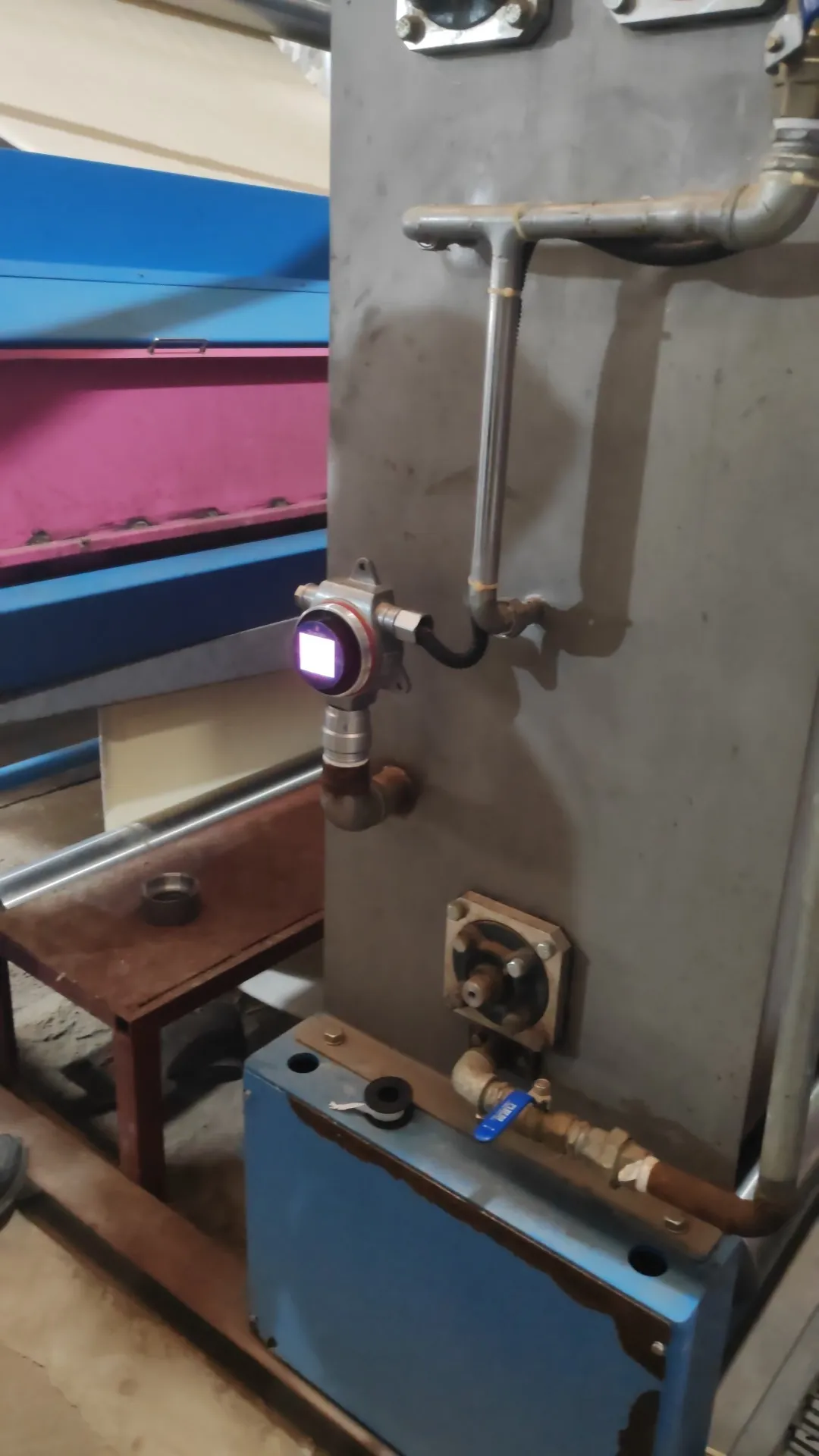
For flammable and explosive gases like methane, the detectors must meet Ex explosion-proof certification to suit the operational requirements of hazardous areas within the plant. For toxic gases such as acrylonitrile and fluorine gas, high-precision electrochemical sensors need to be configured to ensure accurate identification of concentrations at the PPM level.
In practical applications, the installation density of this equipment should reference parameters such as the workshop's ventilation conditions and medium transport pressure, and comply with industry standards like GB/T 50493 to form a multi-point, gap-free monitoring network. Furthermore, regular calibration of sensor sensitivity ensures the continuity and reliability of data, providing technical support for the intrinsic safety of petrochemical plants.
In petrochemical plant production scenarios, the risk of leaks involving media such as methane, acrylonitrile, and fluorine gas persists throughout the entire operation process of the equipment. These gases possess attributes of being flammable, explosive, or highly toxic. Once their concentration diffuses to threshold levels, they pose a direct threat to both equipment safety and personnel health.
The deployment of industrial-grade gas detectors (SK/MIC-600 series) must cover high-risk leakage areas such as reaction kettles, pipeline interfaces, and storage tank areas. Their core functions include: real-time collection of ambient gas concentration data, triggering audible and visual alarms via sensor response, and simultaneously uploading data to the central control system to achieve proactive risk early warning and rapid response.
For flammable and explosive gases like methane, the detectors must meet Ex explosion-proof certification to suit the operational requirements of hazardous areas within the plant. For toxic gases such as acrylonitrile and fluorine gas, high-precision electrochemical sensors need to be configured to ensure accurate identification of concentrations at the PPM level.
In practical applications, the installation density of this equipment should reference parameters such as the workshop's ventilation conditions and medium transport pressure, and comply with industry standards like GB/T 50493 to form a multi-point, gap-free monitoring network. Furthermore, regular calibration of sensor sensitivity ensures the continuity and reliability of data, providing technical support for the intrinsic safety of petrochemical plants.
ㅤ
ㅤ
Contact Us





Fill out the form