

Fixed SO2 and LEL Gas Detector for Petrochemical Plant
Release time:2026-06-12
Source:Skyeaglee
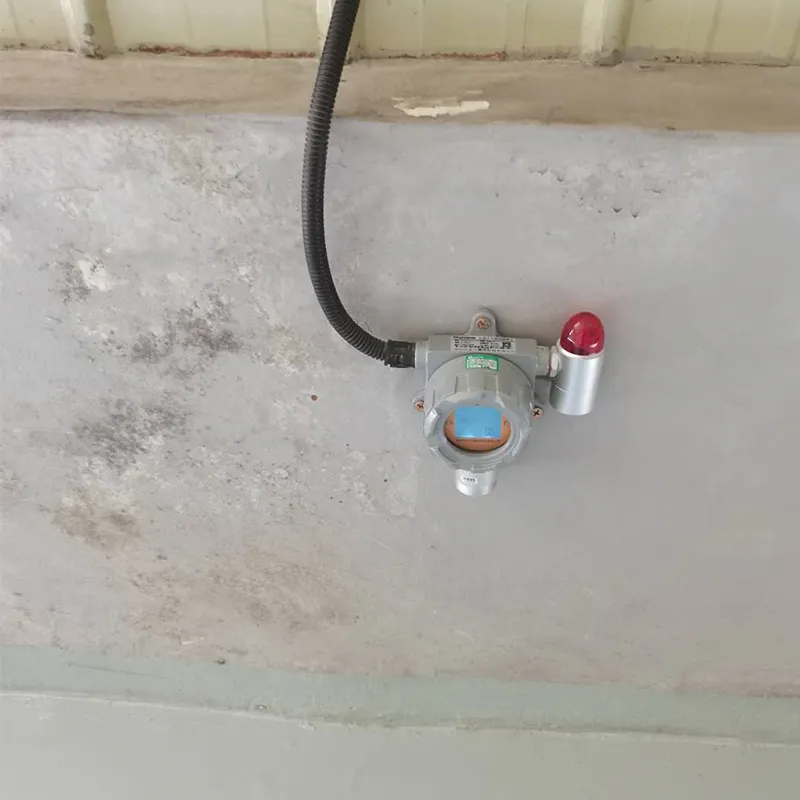
Industrial Safety Detector Application in Heavy Chemical and Petrochemical Processing
In large-scale chemical reactions and petrochemical manufacturing, off-gas collection and waste gas treatment pose severe safety risks. Hazardous gases can easily leak from reaction vessels, industrial piping, and dust filtration systems (such as large baghouses or electrostatic precipitators).
To meet global regulatory standards and maintain a secure working environment, facilities require a robust industrial safety detector network. Implementing continuous, real-time tracking prevents catastrophic explosions and toxic exposure along high-risk factory walkways, maintenance platforms, and surrounding storage infrastructure.
Implementing a Fixed SO2 Gas Detector and LEL Gas Detector Network
A comprehensive factory safety framework requires the simultaneous deployment of toxic and combustible monitoring technologies. Our heavy-duty gas monitoring units are engineered specifically to handle these complex multi-gas industrial hazards.
Protecting Walkways with a Reliable SO2 Gas Detector and CO Sensor
In tail gas treatment and flue gas desulfurization (FGD) units, toxic gases are a constant threat.
-
Sulfur Dioxide (SO2): Utilizing a highly precise so2 gas sensor, our sulfur dioxide gas detector monitors emissions before and after the desulfurization process to prevent severe respiratory hazards.
-
Carbon Monoxide (CO): Resulting from incomplete combustion in process boilers, CO leaks are fast-acting and fatal. Our system triggers immediate local alarms at the slightest trace.
-
Hydrogen Sulfide (H2S): Frequently generated in chemical waste treatment and biochemical processing, H2S poses extreme toxicity and corrosion risks that require electrochemical sensor protection.
Combustible LEL Gas Detector Integration for Explosion Prevention
Flammable vapors can accumulate inside waste gas collection ducts and heavy filtration machinery.
-
Combustible LEL Tracking: The LEL gas detector tracks volatile gases like Methane (CH4) to eliminate explosion hazards within the dust collector housing.
-
Hydrogen Gas Detector Deployment: For processes generating H2 byproduct, our high-sensitivity hydrogen gas detector ensures early leakage alerts before reaching the Lower Explosive Limit.Flammable vapors can accumulate inside waste gas collection ducts and heavy filtration machinery.
-
Combustible LEL Tracking: The LEL gas detector tracks volatile gases like Methane (CH4) to eliminate explosion hazards within the dust collector housing.
-
Hydrogen Gas Detector Deployment: For processes generating H2 byproduct, our high-sensitivity hydrogen gas detector ensures early leakage alerts before reaching the Lower Explosive Limit.
-
Oxygen Monitor Solutions for Confined Space Entry
Maintenance in industrial baghouses, hopper areas, and underground pipe galleries requires verified atmospheric safety.
-
Confined Space Safety: An oxygen detector for confined space entry prevents hypoxia or asphyxiation.
-
Process Protection: The integrated O2 sensor or standalone oxygen monitor checks O2 levels to guarantee process gas stability and prevent oxygen-rich explosive mixtures.

Complete Environmental Strategy with Occupational Health Dust Monitoring
Gas hazards rarely exist in isolation within heavy chemical plants. Combining gas detection with occupational health dust monitoring provides a complete safety barrier.
Installing a Fixed Dust Detector for Walkways and Exhaust Systems
Integrating a fixed dust detector for walkways and filtration exhaust stacks delivers two critical benefits:
-
Filter Leakage Detection: It instantly detects "broken bags" or filter failures inside massive dust collectors, stopping fine particulate matter from escaping into the environment.
-
Regulatory Compliance: It provides continuous data logging to prove compliance with environmental emission limits and occupational health workplace laws.
System Automation via 4-20mA and RS485 Communication Protocol
Our fixed gas and dust detection instruments seamlessly connect to your facility's central control infrastructure:
-
Signal Output: Features industry-standard 4-20mA analog and RS485 Modbus digital signals.
-
DCS/PLC Linkage: Directly connects to Siemens S7-1214 or similar PLC architectures and plant DCS systems.
-
Automated Mitigation: Enables smart automated interlocking controls to instantly trigger ventilation fans, shut down process valves, and flash local strobe alarms the moment a gas or dust threshold is breached.
Industrial Safety Detector Application in Heavy Chemical and Petrochemical Processing
In large-scale chemical reactions and petrochemical manufacturing, off-gas collection and waste gas treatment pose severe safety risks. Hazardous gases can easily leak from reaction vessels, industrial piping, and dust filtration systems (such as large baghouses or electrostatic precipitators).
To meet global regulatory standards and maintain a secure working environment, facilities require a robust industrial safety detector network. Implementing continuous, real-time tracking prevents catastrophic explosions and toxic exposure along high-risk factory walkways, maintenance platforms, and surrounding storage infrastructure.
Implementing a Fixed SO2 Gas Detector and LEL Gas Detector Network
A comprehensive factory safety framework requires the simultaneous deployment of toxic and combustible monitoring technologies. Our heavy-duty gas monitoring units are engineered specifically to handle these complex multi-gas industrial hazards.
Protecting Walkways with a Reliable SO2 Gas Detector and CO Sensor
In tail gas treatment and flue gas desulfurization (FGD) units, toxic gases are a constant threat.
-
Sulfur Dioxide (SO2): Utilizing a highly precise so2 gas sensor, our sulfur dioxide gas detector monitors emissions before and after the desulfurization process to prevent severe respiratory hazards.
-
Carbon Monoxide (CO): Resulting from incomplete combustion in process boilers, CO leaks are fast-acting and fatal. Our system triggers immediate local alarms at the slightest trace.
-
Hydrogen Sulfide (H2S): Frequently generated in chemical waste treatment and biochemical processing, H2S poses extreme toxicity and corrosion risks that require electrochemical sensor protection.
Combustible LEL Gas Detector Integration for Explosion Prevention
Flammable vapors can accumulate inside waste gas collection ducts and heavy filtration machinery.
-
Combustible LEL Tracking: The LEL gas detector tracks volatile gases like Methane (CH4) to eliminate explosion hazards within the dust collector housing.
-
Hydrogen Gas Detector Deployment: For processes generating H2 byproduct, our high-sensitivity hydrogen gas detector ensures early leakage alerts before reaching the Lower Explosive Limit.Flammable vapors can accumulate inside waste gas collection ducts and heavy filtration machinery.
-
Combustible LEL Tracking: The LEL gas detector tracks volatile gases like Methane (CH4) to eliminate explosion hazards within the dust collector housing.
-
Hydrogen Gas Detector Deployment: For processes generating H2 byproduct, our high-sensitivity hydrogen gas detector ensures early leakage alerts before reaching the Lower Explosive Limit.
-
Oxygen Monitor Solutions for Confined Space Entry
Maintenance in industrial baghouses, hopper areas, and underground pipe galleries requires verified atmospheric safety.
-
Confined Space Safety: An oxygen detector for confined space entry prevents hypoxia or asphyxiation.
-
Process Protection: The integrated O2 sensor or standalone oxygen monitor checks O2 levels to guarantee process gas stability and prevent oxygen-rich explosive mixtures.
Complete Environmental Strategy with Occupational Health Dust Monitoring
Gas hazards rarely exist in isolation within heavy chemical plants. Combining gas detection with occupational health dust monitoring provides a complete safety barrier.
Installing a Fixed Dust Detector for Walkways and Exhaust Systems
Integrating a fixed dust detector for walkways and filtration exhaust stacks delivers two critical benefits:
-
Filter Leakage Detection: It instantly detects "broken bags" or filter failures inside massive dust collectors, stopping fine particulate matter from escaping into the environment.
-
Regulatory Compliance: It provides continuous data logging to prove compliance with environmental emission limits and occupational health workplace laws.
System Automation via 4-20mA and RS485 Communication Protocol
Our fixed gas and dust detection instruments seamlessly connect to your facility's central control infrastructure:
-
Signal Output: Features industry-standard 4-20mA analog and RS485 Modbus digital signals.
-
DCS/PLC Linkage: Directly connects to Siemens S7-1214 or similar PLC architectures and plant DCS systems.
-
Automated Mitigation: Enables smart automated interlocking controls to instantly trigger ventilation fans, shut down process valves, and flash local strobe alarms the moment a gas or dust threshold is breached.
no data
Contact Us





Fill out the form